
In the field of healthcare, precise diagnosis forms the foundation for effective treatment and patient care. A wrong diagnosis can have severe consequences for patients, leading to prolonged suffering, unnecessary treatments, and in some cases, even death. When such errors or mishaps occur, the question arises: Is it medical negligence? The implications of wrong diagnosis and the factors contributing to misdiagnoses need to be determined to establish the conduct of medical negligence.Understanding Wrong Diagnosis:Accurate diagnosis is crucial in medicine as it determines the course of treatment and directly impacts patient outcomes. A correct diagnosis enables timely and appropriate interventions, ensuring the best possible chance of recovery for patients.A wrong diagnosis, also known as misdiagnosis, occurs when a medical professional fails to correctly identify a patient’s medical condition or incorrectly attributes it to a different ailment. This error can lead to inadequate or inappropriate treatment, causing harm to the patient. (1)Factors Contributing to Wrong Diagnosis: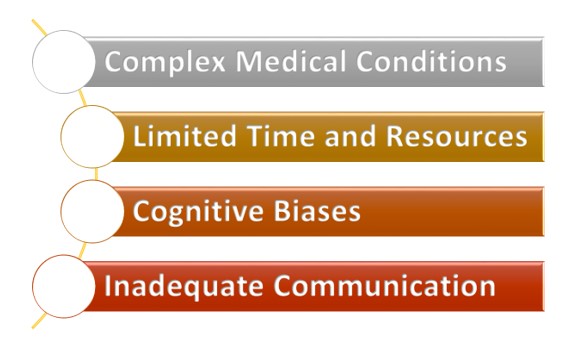 Complex Medical Conditions:Some medical conditions have symptoms that overlap with other diseases, making diagnosis challenging. In such cases, medical professionals may encounter difficulties in accurately pinpointing the root cause of the patient’s ailment. Limited Time and Resources:In busy healthcare settings, physicians often face time constraints and limited resources, affecting their ability to conduct thorough examinations or order comprehensive tests, increasing the likelihood of misdiagnoses. Cognitive Biases:Human cognition is susceptible to various biases, including anchoring bias, confirmation bias, and premature closure. These cognitive biases can influence medical professionals’ judgment and lead to diagnostic errors.Inadequate Communication:Poor communication among healthcare providers can contribute to wrong diagnoses. When essential patient information is not effectively shared, vital clues may be missed, hindering the accurate identification of medical conditions. (2) Is Wrong Diagnosis Medical Negligence?Medical negligence occurs when a healthcare professional deviates from the accepted standard of care, resulting in harm to the patient. For a wrong diagnosis to be considered medical negligence, it must be proven that the physician’s actions or omissions fell below the standard of care expected in similar circumstances.To establish medical negligence, it is essential to demonstrate that the misdiagnosis was not a reasonable error that any competent and skilled healthcare professional could have made. Mere diagnostic errors may not necessarily amount to medical negligence.In medical negligence cases involving wrong diagnosis, it is crucial to establish a direct link between the misdiagnosis and the harm suffered by the patient. If the misdiagnosis did not cause significant harm or did not result from medical negligence, it may not be deemed legally liable. (2)The availability of advanced medical instruments, improved diagnostic methods, and state-of-the-art treatment options has led to heightened expectations from patients and their families. The existence of various financial options and insurance coverage often compels patients to opt for advanced diagnostic tests and treatments, even when not always necessary. In such situations, patients who are willing to pay any amount tend to anticipate more benefits from their healthcare providers. However, it is essential for us, as responsible doctors, to recognize that despite well-furnished hospitals, the primary focus should always be on the doctor’s competence, knowledge, and skill for accurate diagnosis and effective treatment. A combination of precise diagnosis and rational drug therapy will ultimately lead to a positive reputation in today’s competitive healthcare environment. Special instances: In critical emergency situations, the primary objective is to preserve human life, and any diagnostic or judgment errors during emergency management are not considered negligence. The immediate focus is on saving the patient’s life, and once the emergency is successfully addressed, further investigations can be conducted to verify the diagnosis and proceed with appropriate treatment. In certain instances, diseases, such as metabolic or genetic disorders, can be extremely rare or exhibit atypical symptoms, making their diagnosis challenging with standard facilities and tests. Despite the utmost diligence and care, errors can still occur in such cases. To ensure accurate diagnosis, it is advisable to refer these complex cases to specialized centers equipped with the latest and most advanced investigations. While some of these illnesses might not have a cure, a precise diagnosis is essential for effectively explaining the disease’s progression and prognosis to the patient and their family.In the modern age of telecommunication and telemedicine, seeking expert opinions from distant specialists has become feasible. Healthcare professionals can collaborate with colleagues both nationally and internationally through digital technologies. Nonetheless, this convenience also entails possible risks. The distance and reliance on computer-based systems may lead to the chance of incorrect diagnosis and subsequently inappropriate treatment. (1)Conclusion:Accurate diagnosis forms the bedrock of effective treatment and patient care, and any misdiagnosis can lead to significant harm and adverse outcomes for patients. While certain factors contribute to misdiagnoses, such as complex medical conditions, limited resources, cognitive biases, and inadequate communication, determining medical negligence in these cases is a complex matter. Proving medical negligence requires establishing a deviation from the standard of care and demonstrating a direct link between the misdiagnosis and harm suffered by the patient. To ensure better healthcare practices, continuous learning, effective communication, and adherence to the highest standard of care are indispensable in the pursuit of precise diagnosis and optimal patient care.Key messages:Accurate diagnosis is fundamental for effective treatment and patient care in healthcare.Determining medical negligence in misdiagnoses requires careful consideration of various factors.Medical negligence takes place when a healthcare provider diverges from the established standard of care, resulting in harm to the patient.The availability of advanced medical technology has raised patient expectations, but the focus should remain on the doctor’s competence and skill.
Contributors
Dr. Rahul Kumar, Dr. George Castillo, Dr. Usman El Baradei, Dr. Norhayati Azreen Afiq


 deemagclinic
 deemag and chest clinic