
Dr. Durga Prasad: The Doctor with a Silver Touch
In the misty hill station of Mussoorie, nestled among the pines and deodars of the 1950s, Dr. Durga Prasad was a name whispered with reverence and a touch of awe. His reputation as a physician was as towering as the Himalayan peaks that framed his home. To the residents of this quaint town, he was more than a doctor—he was a lifeline, a healer who carried the weight of their trust in his black leather medical bag. But for those in the bustling valley of Dehradun below, Dr. Durga was a legend, a man who commanded the princely sum of five rupees for a visit—a fee that raised eyebrows and sparked hushed conversations in the bazaars.
His clinic was in chakrata road, dehradun and he would visit both patients in dehradun as well as Mussoorie from there.
Back then, a single rupee was no trifling matter. It gleamed in your palm, a solid silver coin weighing 10 grams, enough to buy a hearty meal or a bolt of fine cloth. Five such coins? That was a fortune, worth roughly 5,000 rupees in today’s money. Yet, people paid it gladly, for Dr. Durga’s visits were like a royal decree—rare, prestigious, and undeniably effective. His practice thrived in an era when India was still finding its footing after independence, a time when medical science was a blend of Western innovation and local wisdom, and doctors like Durga were the bridge between the two.
Dr. Durga was a man of contrasts. He was meticulous, his starched white coat as crisp as the mountain air, yet his eyes twinkled with a warmth that put even the most anxious patients at ease. He lived in Dehradun , where the cool climate suited his reflective nature, but his work often took him to Mussoorie, bouncing along the winding roads in a rattling old car to tend to the elite and the ailing. His patients ranged from British expatriates lingering in the hill station to local families like that of Ajit Prasad, a man whose temper was as fiery as the fever that often confined him to bed.
One such visit to the Prasad household in 1950 became the stuff of family lore, recounted years later by Ajit’s wife to their wide-eyed granddaughter. The scene was vivid: Ajit, propped up on pillows, his face flushed with illness and irritation, glaring at Dr. Durga as the doctor rummaged through his bag. “Ajit-ji, I’ve got something new for you,” Dr. Durga said, his voice calm but tinged with excitement. “A new drug, straight from the labs in Bombay. It could do wonders.”
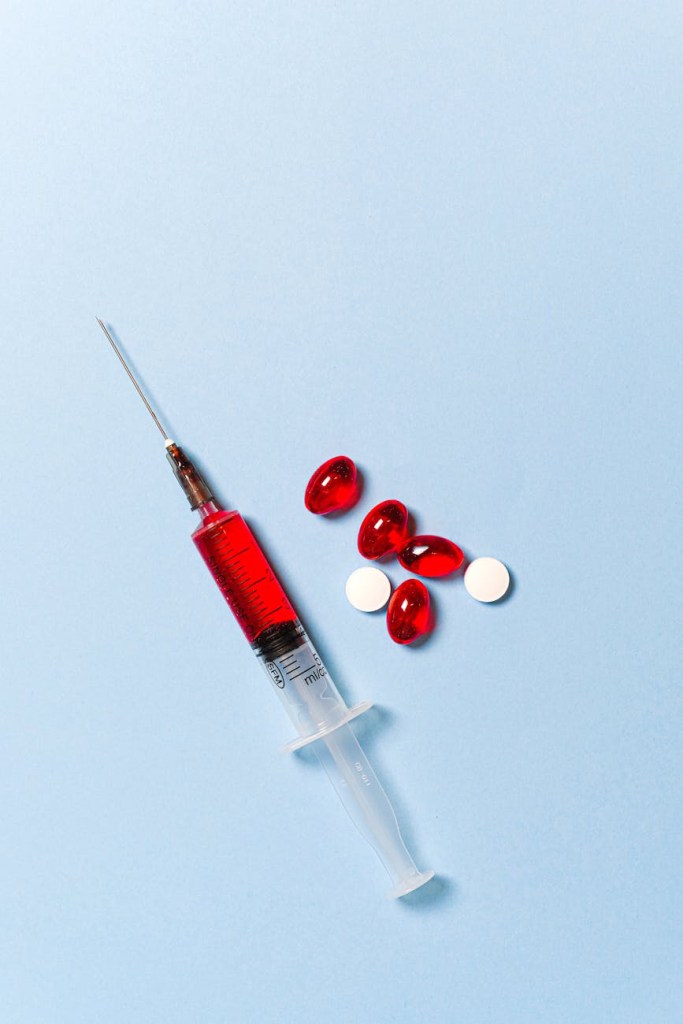
Ajit’s eyes narrowed. “New? Untested, you mean!” he barked, his voice rattling the teacups on the bedside table. “You think I’m some guinea pig for your experiments, Durga? I’m not swallowing some fancy pill you don’t even know will work!”
Dr. Durga, unfazed, adjusted his spectacles and leaned forward. “Ajit-ji, you’re as stubborn as a mule, but I’m trying to keep you alive to argue with me another day. This isn’t quackery—it’s science. Trust me, or you’ll be shouting at the angels next.”
The room fell silent, save for the soft clink of Mrs. Prasad’s bangles as she hovered nervously by the door. Ajit, red-faced but cornered by the doctor’s logic, grumbled and relented, muttering about “damn fool doctors” as he swallowed the pill. Dr. Durga’s lips twitched into a half-smile, knowing he’d won this round. Days later, Ajit was back on his feet, though he’d never admit the “newfangled” drug had anything to do with it.
This was Dr. Durga’s world—a delicate dance of authority and empathy, navigating patients’ fears and skepticism while introducing them to the cutting-edge medicines of the time. The 1950s were a transformative period for Indian healthcare. Antibiotics like penicillin were just beginning to make waves, and doctors like Durga were at the forefront, balancing the promise of modern medicine with the realities of a country where many still relied on ayurvedic remedies or home cures. His five-rupee fee wasn’t just for his expertise; it was for the journey—both literal, down the treacherous Mussoorie-Dehradun road, and figurative, as he guided his patients into a new era of healing.
Dr. Durga’s life wasn’t just about medicine, though. He was a fixture in Mussoorie’s social tapestry, often seen sipping tea at the Savoy Hotel, swapping stories with fellow intellectuals about India’s future or the quirks of their colonial-era neighbors. “The British left us their bureaucracy,” he’d quip, stirring his tea, “but I’ll take their penicillin any day.” His wit was as sharp as his diagnostic skills, and his ability to connect with people—whether a nervous child or a cantankerous elder like Ajit—made him a beloved figure.
Though the details of his personal life remain elusive, Dr. Durga’s legacy endures in the stories passed down through families like the Prasads. He was a pioneer in a time of change, a doctor who charged a king’s ransom but delivered miracles in return. His visits to Dehradun, silver coins clinking in his pocket, were more than house calls—they were a testament to a man who carried the hopes of a fledgling nation’s health on his shoulders, one patient at a time.
Dr. Durga Prasad, associated with Mussoorie and Dehradun, appears to be a historical figure in the medical community of the region, rather than someone currently practicing or with an active clinic listed in recent records. Here’s what can be inferred from the information available:
- Historical Context: Dr. Durga Prasad was known for his practice in Mussoorie, visiting patients in Dehradun for what was considered an astronomical fee at the time, which was Rupee five. This indicates his practice was likely in the mid-20th century, given the fee structure and the context in which he’s mentioned alongside other pioneering doctors of that era.
- Legacy and Recognition: His name is commemorated alongside other significant figures like Dr. Bhupal Singh, Dr. Mitra Nand, and Lady Dr. Chatterjee on a display board in the IMA Hall in Dehradun. This suggests his contributions were notable enough to be remembered in the local medical community, possibly for his role in the early days of medical practice organization or for his service to the community.
- Current Status: There isn’t direct evidence from recent sources or X posts indicating that Dr. Durga Prasad’s clinic still operates under his name in Mussoorie or Dehradun. Given the historical references, it’s more likely that any clinic or practice associated with him would either have been taken over by successors, renamed, or ceased to exist in its original form.
- Community Sentiment and Information: From the X posts and other snippets, there’s a general discussion around healthcare in Dehradun and Mussoorie, but none specifically mention Dr. Durga Prasad’s clinic in a contemporary context. This might imply that if his clinic or legacy continues, it’s not prominently discussed or recognized in current online or local chatter.
- Conclusion for Inquiry: If you’re looking for current medical services or information related to Dr. Durga Prasad’s name or legacy in Mussoorie or Dehradun:
- For Historical Interest: You might find more about his contributions through local historical archives, medical associations like the IMA Dehradun, or possibly through older residents or local historians who might recall stories or records of his practice.
- For Medical Services: If you’re seeking medical care in the area, while Dr. Durga Prasad’s clinic might not be operational or recognized under his name currently, you can explore other well-reviewed clinics or hospitals in Dehradun or Mussoorie. Platforms like Practo or local directories could provide listings of current medical practitioners and facilities.
- Legacy Inquiry: For those interested in his legacy or historical medical practices in the region, contacting the Indian Medical Association (IMA) Dehradun branch or local libraries might yield more detailed historical records or anecdotes about Dr. Durga Prasad’s contributions to the medical field in the area.
Remember, while Dr. Durga Prasad’s name carries historical significance in the medical community of Dehradun and Mussoorie, for current medical needs or information on his clinic’s legacy, further local or direct inquiries would be necessary.


 deemagclinic
 deemag and chest clinic