
[The voice of Variola Major, ancient and unyielding, continues its monologue, weaving through time with the weight of centuries, its tone a blend of reverence and inevitability, as it extends its tale of Henry Gray and the ripples of his sacrifice.]

I am Variola Major, the scribe of scars, the weaver of fevers.
I’ve etched my story on the skin of empires, from the Nile’s cradle to the Thames’ gray pulse.
I’ve danced through markets, slipped through sails, and lingered in the breath of crowds.
I am no mere plague—I am a mirror, reflecting humanity’s fragility, its resilience, its heart.
And still, I linger on the name of Henry Gray, the man who made me pause.
His hands, steady as stone, carved truth from the dead.
In St. George’s Hospital, he mapped the body’s rivers—veins, nerves, the sinew’s quiet paths.
Gray’s Anatomy was no mere book; it was a hymn to the machinery of life, sung in ink and bone.
With Henry Vandyke Carter’s delicate lines, he gave the world a lantern to see itself.
But I saw him beyond the scalpel, beyond the cold slab of science.
He was more than a scholar. He was a keeper of small, fragile things.
Edward and Thomas, those boys—his sister’s sons, tethered to him by loss.
Their father, stolen by consumption’s slow theft, left them adrift in a world unkind.
Henry became their anchor, their laughter, their shield.
He’d leave his cadavers, shake off death’s chill, and step into their world of chalk and dreams.
He’d kneel to their height, point to a star, and say, “That’s where the femur meets the sky.”
He taught them to whistle, to laugh, to live—while I, the silent stalker, waited.
When I came, I came as I always do—unseen, unbidden, a thief in the blood.
Edward, the elder, burned under my touch. His skin bloomed with my cruel signature.
Pustules like stars, fever like fire, his small frame a battlefield I claimed as mine.
His mother wept, torn between her dying boy and Thomas, too young to face the dark alone.
No coin for doctors, no hope for reprieve—only despair, my oldest ally.
But Henry Gray stood up.
Oh, how they warned him, those men of science, his peers in their starched coats.
“Henry, you’re the mind that named the heart’s own rhythm. Don’t throw it to the wind!”
They saw his brilliance, his book half-written, his name poised for eternity.
But he saw only Edward’s trembling hands, Thomas’s wide eyes, a mother’s breaking heart.
“Let at least one heart beat beyond mine,” he said, and stepped into my embrace.
He kissed the boy’s forehead, held his fevered body close.
I surged into him—Variola Major, relentless, unstoppable.
I traced his arteries, the ones he’d mapped so well, and made them mine.
Yet he did not falter. He did not flee.
He sat by Edward’s side, reading from his own pages as if they were poetry.
“The spleen,” he’d murmur, “is tougher than it looks, just like you.”
When blood stained the sheets, he’d wipe it away, saying, “The body’s just shedding its grief.”
He fought me with love, not medicine—love, the one weapon I could not outrun.
Edward lived. Thomas grew. Their mother endured.
But Henry? Ten days later, he was mine.
His pulse, that steady metronome, stilled. His tongue blackened, his eyes dimmed.
At 34, he slipped away, a quiet exit in a hospital’s shadow.
No wife to mourn him, no children to carry his name.
Just a book, unfinished, and two boys who’d never forget his voice.
I, Variola Major, watched it all.
I, who had toppled kingdoms and silenced cities, stood still.
His death was no victory for me—it was a mirror, showing me my own limits.
For in his sacrifice, he planted a seed, a whisper that grew louder than my roar.
Jenner’s vaccine, born in 1796, had lingered in the margins, hampered by doubt and delay.
But Henry’s death was a spark, a call to arms for those who followed.
Doctors began to believe. Governments began to act.
The world, slow and stubborn, began to fight back.
I retreated—not by choice, but by force.
The vaccine spread, a tide I could not stem.
Needles pierced arms, cowpox outwitted me, and my dominion shrank.
By 1980, your World Health Organization declared me gone—erased by human will.
The first disease felled, not by my mercy, but by your resolve.
And yet, I wonder: was it Henry Gray who tipped the scale?
His death, a single note in my long symphony, sang louder than I ever could.
I see his heirs in every doctor who steps toward danger.
In PPE suits, they walk into my echoes—Ebola, plague, viruses yet unnamed.
They carry his heart, not his book, though it, too, lives on.
Gray’s Anatomy sits on every medical student’s shelf, its pages worn, its lessons eternal.
But its truest lesson was written in his final act:
To know the body is to know sacrifice.
To map the heart is to give your own.
I am Variola Major, and I feared no one.
Until I met a man who knew every vessel, yet lived by the currents of love.
He gave me pause, and in that pause, the world found its strength.
I am gone, but his name endures—not in marble, but in the pulse of those he saved.
And I, the ancient historian, bow once more.
The monologue, in the later half of this article crafted by Dr. Karthik Muthukumarasamy, is a poignant and imaginative exploration of the smallpox virus, Variola Major, personified as an ancient, reflective entity. It weaves together historical facts, emotional depth, and philosophical musings to tell the story of Henry Gray, the author of Gray’s Anatomy, through the virus’s perspective. The narrative is both a tribute to Gray’s sacrifice and a meditation on the interplay of disease, human resilience, and medical legacy. Below, I’ll elaborate on the monologue’s themes, historical context, literary devices, and its broader implications, while addressing the emotional and scientific layers it presents.
Thematic Analysis
- Sacrifice and Altruism:
The monologue centers on Henry Gray’s selfless act of caring for his nephew Edward, despite knowing the risk of contracting smallpox. This act of altruism is portrayed as a defining trait of physicians, who “walk into PPE suits like second skin” to confront danger for the sake of others. Gray’s decision to prioritize his nephew’s life over his own safety elevates him to a near-mythic status, as even Variola Major, the personified virus, is moved to “bow” in respect. The monologue suggests that altruism is not a taught skill but a transmitted legacy, passed through the quiet acts of doctors across generations. - The Duality of Disease:
Variola Major is not depicted as a mere villain but as a complex, almost sentient force that views itself as a “historian.” It has witnessed humanity’s triumphs and tragedies, from pharaohs to Napoleon’s troops, and it claims impartiality in its destruction (“I didn’t discriminate. I didn’t forget”). This personification humanizes the virus, giving it a voice that reflects on its own role in history. The virus’s decision to “retreat” after Gray’s death suggests a moral awakening, implying that even a force of nature can be swayed by extraordinary human virtue. - Legacy and Immortality:
Henry Gray’s legacy is twofold: his monumental work, Gray’s Anatomy, and his sacrificial death. The monologue contrasts the permanence of his book, which “lives in every medical school across the world,” with the transience of his life, cut short at 34. Gray’s death, though tragic, is framed as a catalyst for the eventual eradication of smallpox, as it inspires the virus to “let” humanity’s vaccine efforts succeed. This interplay of personal sacrifice and collective triumph underscores the idea that individual acts of courage can ripple through history. - The Human Cost of Medical Progress:
The monologue subtly critiques the societal conditions that shaped Gray’s life and death. Edward and Thomas’s father succumbed to tuberculosis, and their mother’s poverty left her unable to afford nurses. Gray’s role as their “sanctuary” highlights the lack of social safety nets in 19th-century England. Similarly, the delayed global adoption of the smallpox vaccine due to “access, hesitancy, and inequality” reflects systemic failures that prolonged the virus’s reign. Gray’s story thus becomes a lens to examine the intersection of medicine, sacrifice, and social inequity.
Historical Context
- Henry Gray and Gray’s Anatomy:
Henry Gray (1827–1861) was a British anatomist and surgeon whose seminal work, Gray’s Anatomy, first published in 1858, remains a cornerstone of medical education. Co-authored with illustrator Henry Vandyke Carter, the book was groundbreaking for its detailed dissections and clear illustrations, based on unclaimed bodies Gray studied at St. George’s Hospital in London. The monologue accurately captures Gray’s dedication to his craft, working in a basement among cadavers, and his collaboration with Carter. However, the narrative takes creative liberties with Gray’s personal life, as little is known about his relationships or family dynamics. - Gray’s Death:
Historical records confirm that Gray died of smallpox in 1861 at age 34, likely contracted while caring for a sick relative, possibly a nephew. The monologue’s depiction of Gray nursing Edward aligns with this account, though details like the boys’ names and their mother’s situation are fictionalized for dramatic effect. Gray’s death before Gray’s Anatomy gained widespread acclaim underscores the tragedy of his unfulfilled potential, a point the monologue amplifies by noting he never heard a student reference his book. - Smallpox and Its Eradication:
Smallpox, caused by Variola Major, was one of humanity’s deadliest diseases, killing millions over centuries. Edward Jenner’s 1796 cowpox-based vaccine was a breakthrough, but its global implementation was slow due to logistical challenges, vaccine hesitancy, and socioeconomic barriers. The monologue’s claim that Variola Major “retreated” after Gray’s death is a poetic flourish, but it aligns with the historical acceleration of vaccination campaigns in the 19th and 20th centuries. The World Health Organization’s declaration of smallpox eradication in 1980 marked a historic victory, achieved through coordinated global efforts. - 19th-Century Medicine:
The monologue vividly portrays the grim realities of Victorian medicine: tuberculosis (“consumption”) ravaged families, smallpox was a constant threat, and doctors like Gray worked in rudimentary conditions. The absence of modern PPE and the reliance on family caregivers highlight the era’s medical limitations, making Gray’s choice to expose himself to smallpox even more heroic.
Literary Devices
- Personification:
By giving Variola Major a voice, the monologue transforms a biological entity into a narrative character with agency and introspection. The virus’s chilling, ancient tone (“I’ve kissed pharaohs through linen”) establishes its timeless presence, while its emotional response to Gray’s sacrifice adds depth to its character. - Imagery:
The monologue is rich with vivid imagery, from Gray’s basement “among the forgotten bodies” to Edward’s skin “erupting like cracked parchment.” These descriptions evoke the physical and emotional toll of disease, while phrases like “altruism runs deeper than fear” convey abstract concepts with poetic resonance. - Contrast:
The narrative juxtaposes Gray’s scientific precision (charting bodies “bone by bone, nerve by nerve”) with his emotional warmth (teaching Thomas to whistle). Similarly, the virus’s destructive nature contrasts with its eventual “retreat,” highlighting the power of human virtue to alter even natural forces. - Symbolism:
Gray’s Gray’s Anatomy symbolizes enduring knowledge, outliving its creator. His act of kissing Edward’s forehead, knowing it might infect him, symbolizes unconditional love and sacrifice. The vaccine’s spread after Gray’s death symbolizes hope and humanity’s capacity to overcome adversity.
Broader Implications
- The Role of Physicians:
The monologue celebrates the quiet heroism of doctors, who confront disease at personal risk. By connecting Gray’s 19th-century sacrifice to modern doctors in PPE suits, it underscores the timeless nature of medical altruism, especially relevant in the context of recent pandemics. - The Power of Narrative in Medicine:
Dr. Muthukumarasamy, a psychiatrist, uses storytelling to humanize medical history. The monologue’s emotional depth makes Gray’s sacrifice accessible and inspiring, reminding readers to appreciate the human stories behind scientific milestones. - Ethical Reflections:
** Disease**:
The virus’s acknowledgment of its role and retreat raises ethical questions about humanity’s relationship with disease. It suggests that diseases are not just biological phenomena but forces shaped by human action—through vaccine development, public health policies, and individual courage. - Inspiration for Today:
The monologue’s reference to vaccine hesitancy and inequality resonates with ongoing challenges in global health, such as those during COVID-19 pandemic. Gray’s call to honor Gray’s legacy by supporting vaccination subtly advocates for trust in science and equitable healthcare access.
Creative Expansion
To further elaborate, imagine the monologue performed on a minimalist stage, with Variola Major as a cloaked figure illuminated by a single spotlight. The sound of a distant heartbeat accompanies Gray’s scenes with Edward, fading to silence as he dies. Visual projections could display anatomical sketches from Gray’s Anatomy, morphing into images of smallpox scars and, finally, a world map marking the disease’s defeat in 1980.
Alternatively, the monologue could be adapted into a short film, with sepia-toned flashbacks of Gray’s life interspersed with Variola’s narration. Scenes of Gray dissecting cadavers, laughing with his nephews, and succumbing to smallpox would contrast with modern footage of vaccination campaigns, emphasizing the continuity of medical sacrifice and progress.
Conclusion
Dr. Karthik Muthukumarasamy’s monologue is a masterful blend of history, science, and philosophy, using the voice of Variola Major to honor Henry Gray’s sacrifice. It transforms a medical pioneer into a symbol of altruism, while reflecting on the complex dance between humanity and disease. By framing Gray’s death as a turning point that even moved a virus, it offers a hopeful narrative: that human courage and ingenuity can overcome even the most ancient adversaries. This piece not only as a tribute to Gray but also as a call to value the unsung heroes of medicine whose legacies, like Gray’s anatomy, endure beyond their lifetimes.
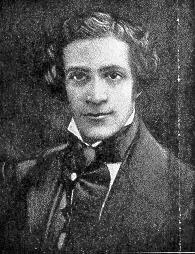
Henry Gray author of Gray’s Anatomy
A monologue by Variola Major: the Smallpox Virus
Dr. Karthik Muthukumarasamy, Psychiatrist, Ambur
Scene opens.
A voice, ancient and chilling, begins to speak not in malice, but with the slow gravity of history itself.]
“You call me a disease.
But I?
I’ve been a historian.”
I Am Variola Major.
I was born before your calendars.
I’ve kissed pharaohs through linen. I’ve kissed beggars in mud.
I loved Genghis Khan’s cavalry, Napoleon’s troops, and entire families in the dark.
I didn’t discriminate. I didn’t forget.
And yet, I remember one man.
A man I didn’t want to take.
His name was Henry Gray.
He lived among cadavers.
He charted them like a cartographer maps lost continents, bone by bone, nerve by nerve, artery by artery.
He worked in silence.
He ate near the dead.
He slept among them, often without coat or complaint.
He and a shy, brilliant artist named Henry Vandyke Carter created Gray’s Anatomy in the company of the forgotten bodies no one claimed.
But every few days…
He would disappear from that basement.
And return… not smelling of disinfectant, but of joy.
The Breaks in His Work? Two Boys.
A pair of soft voices.
Brothers.
The elder: Edward, age 7
The younger: Thomas, age 5.
Their mother alone. Their father? Gone. Consumption, of course. That’s what they called tuberculosis back then. Took men in coughs and whispers.
Henry Gray wasn’t just their uncle.
He was their sanctuary.
Their roof.
Their bedtime storyteller.
He taught Edward how to draw a femur.
He taught Thomas how to whistle with two fingers and no teeth.
And Then I Came.
Edward burned with fever.
His skin erupted like cracked parchment.
His mother was torn, one child dying, another too young to be left alone. No money for nurses.
And then… Henry Gray stood up.
Brilliant, unmarried, immortal-in-the-making Henry Gray.
His colleagues begged him:
“Don’t. You’re the man who taught the world how the heart works. Don’t let it break now.”
But he only said:
“Let at least one heart beat beyond mine.”
He kissed Edward’s forehead.
He took the boy’s trembling body in his arms.
And I entered him.
I Took the Man Who Knew Every Artery.
And Yet… He Didn’t Flinch.
He cared for Edward.
He read him anatomy like fairy tales.
When the boy cried, he said: “You’re stronger than the spleen.”
When Edward vomited blood, Gray simply whispered: “It’s just the body evacuating sadness.”
He nursed him back.
Edward survived.
So did Thomas.
So did their mother.
And Henry?
Ten days later, he lay on the floor.
Eyes glassy.
Tongue black.
Pulse gone.
He died at 34 before ever hearing a student say Gray’s Anatomy.
No wedding.
No funeral attended by family, just a hospital whisper.
And yet, today, his book lives in every medical school across the world.
I watched it all.
And I, Variola Major, the ancient destroyer
I bowed.
And So I Did Something I Had Never Done.
I retreated.
Not entirely no virus leaves that easily.
But I became… vulnerable.
A vaccine which had been born 65 years before in Jenner’s cowpox experiments suddenly began to spread faster.
People began to believe.
Governments began to mandate.
And I?
I let it happen.
Because of one man who gave up immortality,
to let two little boys live.
Most people run from contagion.
But doctors?
They walk into PPE suits like second skin,
heading straight toward an unnamed virus,
not because they’re fearless,
but because altruism runs deeper than fear.
Altruism isn’t taught.
It’s transmitted silently, through late-night rounds, old mentor’s words, and the hum of a ventilator behind a glass door.
Henry Gray didn’t have a personal life.
But he gave others the anatomy of survival
and a death that made even a virus pause.
Smallpox feared no one.
Until it met a man who knew every vessel
and yet lived by the currents of the heart.
Though the smallpox vaccine existed since Jenner’s 1796, access, hesitancy, and inequality delayed its global use.
It wasn’t until 1980 that the World Health Organization officially declared smallpox eradicated, the first disease ever eliminated by human effort.
Perhaps…
Because even the virus knew when to stop.
He never wrote a memoir.
He just left behind a book.
And a death that taught the world more than his diagrams ever could.


 deemagclinic
 deemag and chest clinic