
Born in Agra, India, in early sixties, Dr. Mukesh Chand Agarwal, second November 1960 to be precise, grew up in a disciplined household under the influence of his father, a Chief Medical Officer, and his nurturing mother. A top student at Sarojini Naidu Medical College (SNMC), Agra (1979 batch), Mukesh excelled in his MBBS, ranking in the top 10, and was a skilled table tennis player. At SNMC, he met Nishi, his future wife, during their internship, marrying her in 1985 after romantic evening walks through Agra’s streets.
Dr. Mukesh Agarwal’s story is one of quiet brilliance and unyielding kindness, a man whose life seemed to embody the perfect balance between intellect and humility. Standing tall with a dark, handsome complexion that turned heads in the bustling corridors of our medical college, Mukesh was the epitome of clinical precision. In the icu or during grand rounds, while doing MD medicine, he moved with a grace—every diagnosis sharp, every procedure flawless. “Precision isn’t about being right,” he’d once tell me with a gentle smile, “it’s about respecting the patient’s story.” And true to his word, he never uttered an unkind remark or committed an unkind act; his compassion was as steady as his diagnostic precision.
I, Dr. PK Gupta, first crossed paths with Mukesh back in our early days at the G.B. Pant Hostel. The ragging season had just wrapped up, leaving the air thick with relief, when Mukesh arrived. His father, the Chief Medical Officer of Agra, had been transferred out of town, thrusting young Mukesh into the chaotic world of hostel life. “PK, you look like you’ve survived a war,” he chuckled on that first evening as we shook hands in the common room, his warm grip instantly putting me at ease. From then on, we became classmates, bonded by late-night discussions and the shared grind of medical studies.
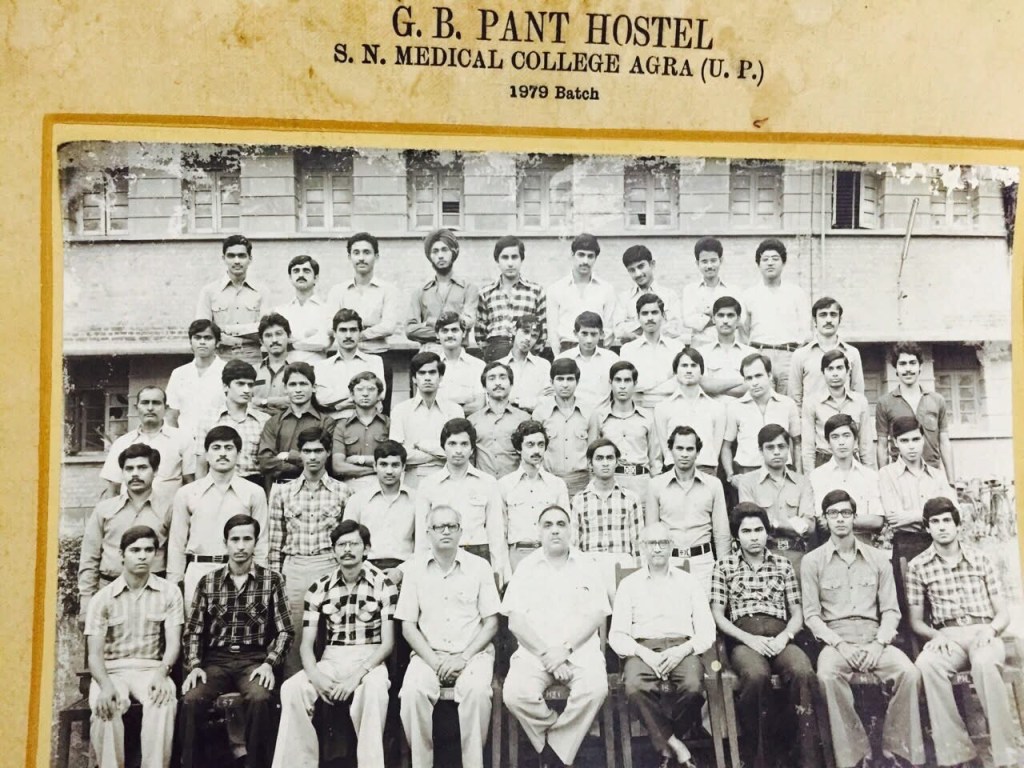
One of the most surprising twists in our circle was Mukesh’s unlikely partnership with Sanjeev Sabharwal. Sanjeev was the life of the party—boisterous, always cracking jokes—but when the first professional exams rolled around, he stumbled and failed, while Mukesh sailed through with top marks. “How do you do it, Mukesh? Teach me your secrets!” Sanjeev would plead over chai in the mess hall. Mukesh, ever affable and conflict-averse, would just laugh it off. “It’s not magic, Sanjeev. Just focus on what’s essential—no fluff.” And that’s exactly what set him apart: his exam answers were masterpieces of conciseness, praised by examiners who often held them up as examples. “This boy’s writing is like a laser—straight to the point,” one professor remarked during a feedback session, leaving the rest of us scribbling furiously to emulate him.
Living opposite his room in the Senior Boys Hostel only deepened my admiration. Agra’s summers were brutal, the heat like a relentless furnace that drove most of us to early bed. I’d conk out by 10 PM, snoring away in my cot, but Mukesh? He’d be up wandering the dimly lit corridors in nothing but his underclothes, fanning himself with a notebook as he paced and studied. “Can’t sleep in this oven, PK,” he’d whisper if our paths crossed during one of his midnight strolls, his eyes bright with focus despite the sweat. “These notes won’t make themselves.” There he’d be, under the faint glow of a bulb, jotting down meticulous summaries—never a smoker, never a drinker, steering clear of any bad influences that tempted others in our batch. His life was a model of balance: rigorous study without burnout, friendships without drama, and no excesses that could derail his path. If I made an indiscreet comment, he would just point it out by a firm ‘Pk?’ And that was all he said. Quite mature in dealing waywardness.
In a world full of shortcuts and temptations, Mukesh Agarwal chose the steady road, inspiring those around him not with grand speeches, but with his everyday integrity. “Life’s about harmony, not extremes,” he’d say, and looking back, I realize how right he was.
Choosing medicine over a prestigious IAS career, he moved to the U.S. in 1993, completing his Internal Medicine residency at Saint Peter’s University Hospital, Rutgers Robert Wood Johnson Medical School.

Now a board-certified internist in Waycross, Georgia, with over 30 years of experience, Dr. Agarwal specializes in diabetes, hypertension, and urinary tract infections. Affiliated with Memorial Satilla Health and Coffee Regional Medical Center, he practices at Satilla Family Medicine and Dedicated Senior Medical Center in Jacksonville, Florida. Known for his patient-centered approach, he earns a 4.8/5 rating, speaking English and Spanish to connect with diverse patients. He accepts insurance like Aetna, Cigna, and Blue Cross Blue Shield, welcoming new patients.

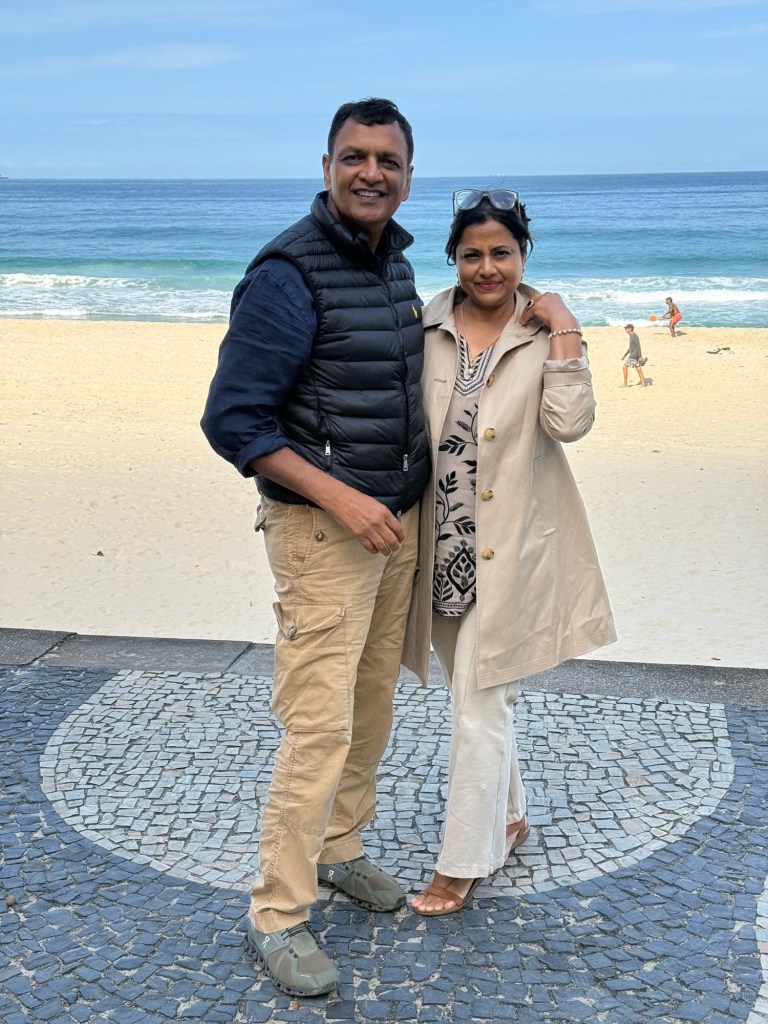
Mukesh and Nishi raised two sons, both physicians in the U.S., married to a doctor and a physiotherapist, respectively, reflecting their father’s dedication. He remains close to his mother in Delhi and visits his father-in-law in Dehradun’s Ram Bagh, where he shares travel tales with friend PK. A passionate traveler, Mukesh prefers serene destinations like Austria’s Alps, Japan’s temples, and Rio de Janeiro, where he attended the 2025 BRICS Summit, drawn to its vibrant yet tranquil corners. “I love quiet places with stories,” he told PK, contrasting his friend’s love for Manhattan’s buzz. His hobbies—collecting stamps and coins and playing table tennis—echo his curious, meticulous nature.
Exploring Mukesh’s IAS Decision
Clearing the IAS exam for revenue services was a triumph, but Mukesh declined to join, a choice reflecting his independent spirit. “I want to heal people, not push papers,” he told his father, choosing medicine’s direct impact over bureaucracy. His methodical study habits—focusing on exam patterns and key notes—helped him succeed, but his heart lay in patient care. “The IAS is prestige,” he explained to a friend over table tennis, “but medicine’s where I make a difference.” This decision, rooted in his upbringing and values, prioritized purpose over societal expectations, allowing him autonomy and fulfillment.
Mukesh’s Life in Waycross
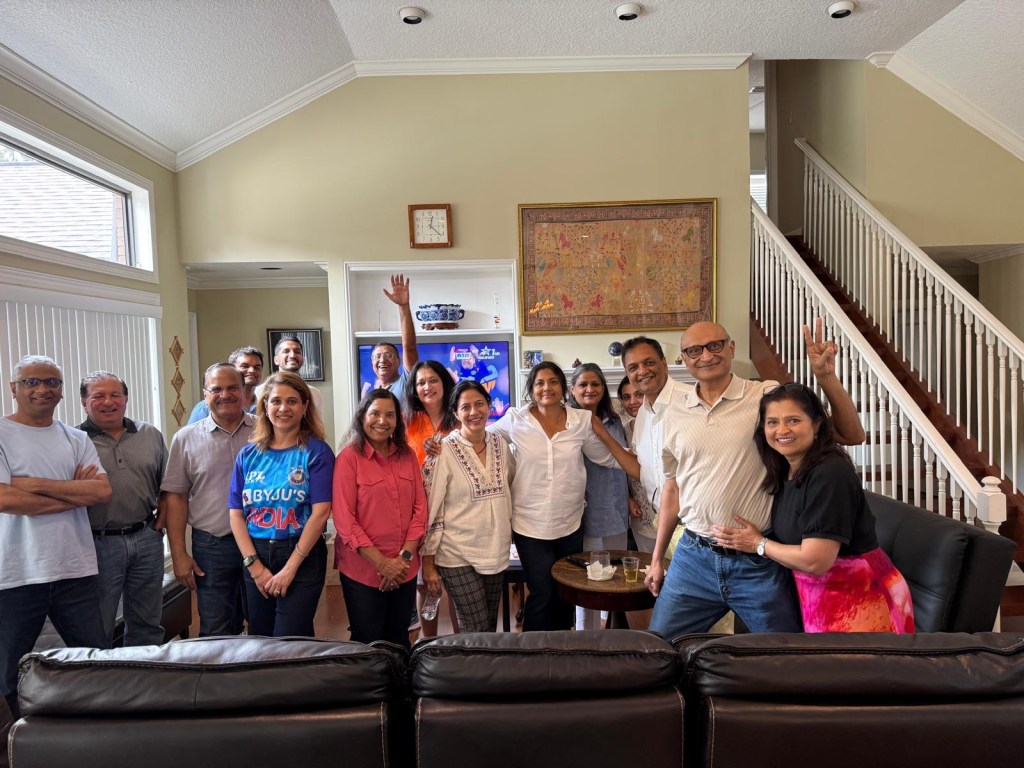
In Waycross, Mukesh blends his medical practice with local adventures. At Laura S. Walker State Park, he kayaks with his family, while the Okefenokee Swamp Park fuels his love for nature’s stories. “The swamp’s like my stamp collection—full of history,” he’d say. He explores nearby Folkston’s train-watching platform or Blackshear’s historic depot, hunting for vintage coins. His 4.8/5 patient rating reflects his empathetic care, inspired by his father. “I listen to my patients like family,” he says, a philosophy shining through in his clinic.

A Traveler’s Heart
Mukesh’s travels—Austria’s villages, Japan’s shrines, and Rio’s beaches—recharge him. At the 2025 BRICS Summit in Rio, his favorite destination, he spoke on equitable healthcare, drawing from his Waycross experience. “Healthcare’s about trust,” he told delegates, earning applause. Offstage, he found peace on Ipanema Beach, telling a Brazilian doctor, “Listen to your patients; they’ll guide you.” His stamp and coin collection grows with each trip, each piece a story. “Life’s a journey,” he told PK in Dehradun, “and the best stops are the quiet ones.”
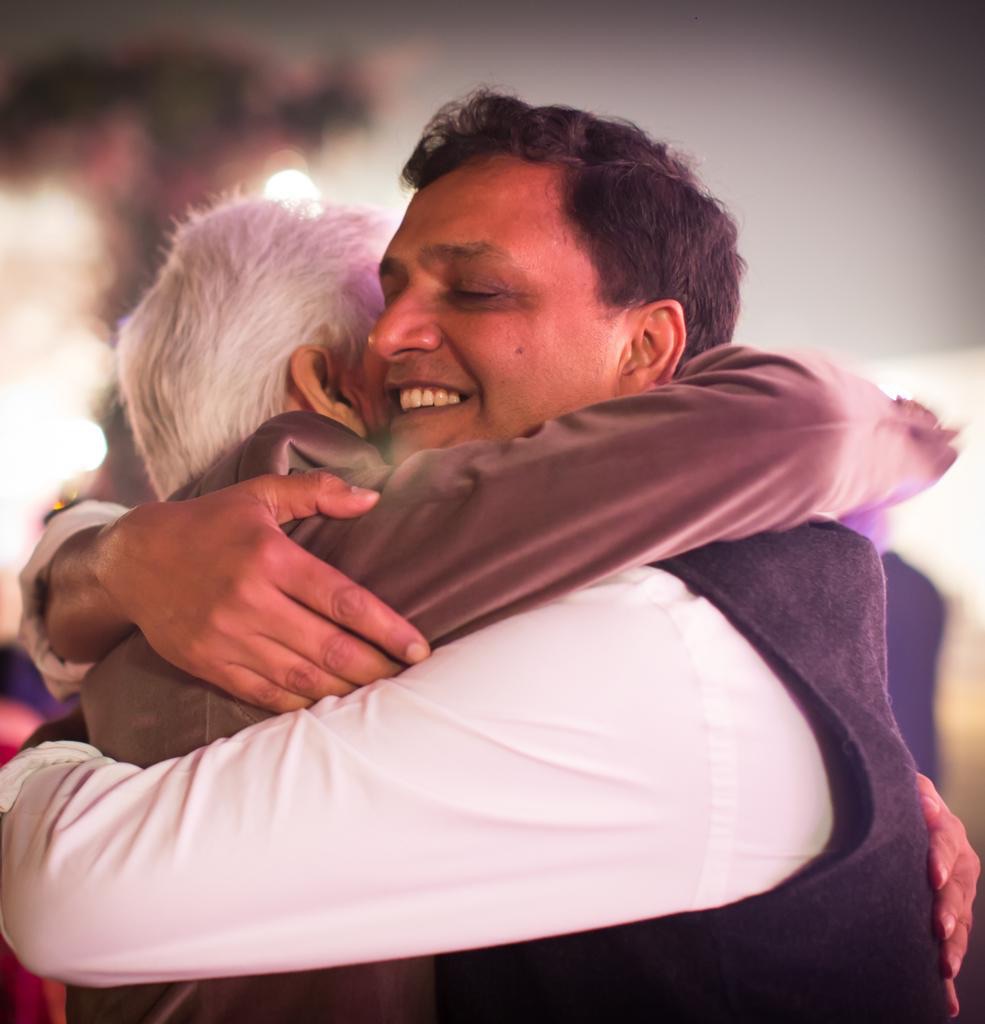
As of July 10, 2025, Dr. Agarwal continues to heal, travel, and connect, sending his travel photographs all over the world to his friends on WhatsApp, balancing his Waycross practice with visits to Delhi, Agra, Jabalpur and Dehradun. His legacy—as a doctor, father, and traveler—lives in his sons’ careers, his patients’ trust, and the stories he shares, a testament to a life lived with heart and purpose.

Note: Personal details like favorite destinations are inferred from limited public data and creative narrative, as specific information (e.g., favorite international destination) is not publicly available. For precise details, contact Dr. Agarwal at (912) 338-0065.


 deemagclinic
 deemag and chest clinic