

- St. Thomas’ College, Dehradun, seems to have been founded in 1916 by a group of Anglo-Indian and European philanthropists, likely to educate children of British officials and residents.
- Research suggests the school started with a leased plot from the Municipal Board of Dehradun, funded by donations from the European School Improvement Association, St. Thomas’ Church, and concerts.
- It appears the school was initially a Middle School until 1947, then upgraded to a High School, with significant expansions like new classrooms and labs in 1948.
Origins and Founding
St. Thomas’ College, Dehradun, likely began in 1916, initiated by figures like Mr. R. K. Bruce and Maj G. A. Beazeley, aiming to provide English education for British officials’ children in Dehradun, where the Convent of Jesus & Mary was the only English school at the time. The school was established on leased land from the Municipal Board, with construction funded by various donations, including from the European School Improvement Association and St. Thomas’ Church, as well as funds raised from two concerts.
Early Development
It seems the school started as a Middle School, teaching up to that level until 1947. The following year, in 1948, it became a High School, with new classrooms and science labs added under Lt. Col. R.C. Wilkinson, reflecting its growth to meet educational demands.
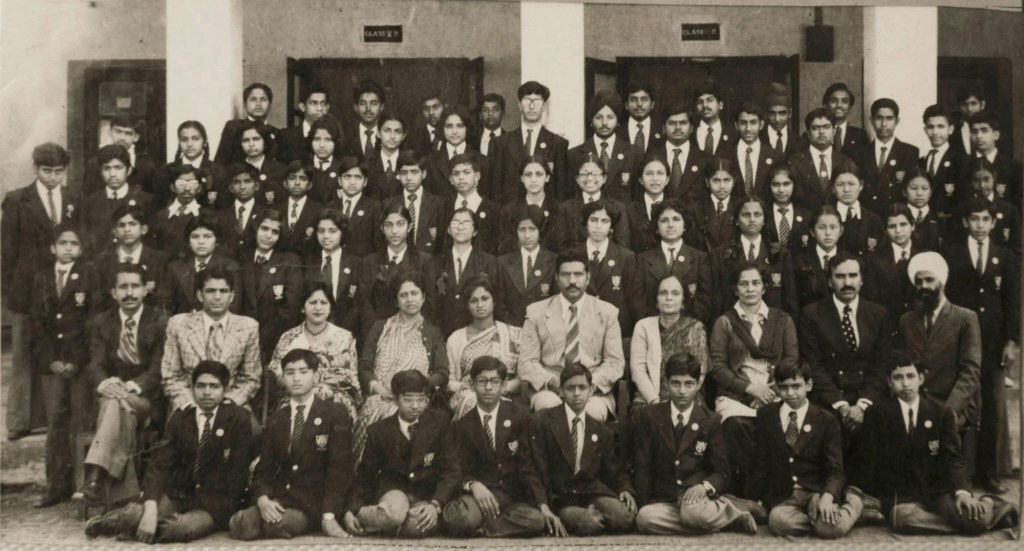
Current Status
Today, the school is a co-educational day institution offering classes from III to XII, with over 2,200 students and a focus on academic and extracurricular activities, preparing students for exams like ICSE and ISC.
Supporting Information
For more details, you can visit the school’s official website at St. Thomas’ College Official Website – History of the School and Wikipedia – St. Thomas’ College, Dehradun.
A Detailed Historical Survey of St. Thomas’ College, Dehradun: Origins and Evolution
This survey note provides an in-depth exploration of the origins and development of St. Thomas’ College, Dehradun, founded in 1916, based on historical records and available online sources. It aims to offer a comprehensive understanding of the school’s beginnings, early growth, and its transformation into a prominent educational institution, while acknowledging the complexity of historical narratives and the limitations of publicly available information.
Historical Context and Founding
St. Thomas’ College, Dehradun, was established in 1916, a period marked by British colonial influence in India, particularly in educational institutions catering to European and Anglo-Indian communities. The school’s founding was driven by a group of philanthropists, including Mr. R. K. Bruce, Maj G. A. Beazeley R.E., Mr. R.S. Pearson IFS, Lt. Gray, Mr. J.D Maitland Kirman, and Mrs. R. Bruce, who formed a school committee to address the educational needs of the wards of British civil and military officers stationed in Dehradun. At the time, the only English school in the town was the Convent of Jesus & Mary, highlighting the need for additional facilities.
The evidence leans toward the school being established to provide a structured English education, aligning with the British private boarding school model but adapted for Indian contexts, similar to other institutions like The Doon School, founded later in 1935. The school’s location on Cross Road, Dehradun, was secured through a lease from the Municipal Board of Dehradun for Nazul land, a common practice for institutional land acquisition during the colonial era.
Funding and Construction
The initial funding for the school’s construction came from multiple sources, reflecting community support. The European School Improvement Association, members of St. Thomas’ Church, and funds raised from two concerts contributed to the budget. The construction was entrusted to Mr. Jones, the District Engineer of Dehradun, who designed a building comprising a central hall, four classrooms, and two verandahs, costing Rs. 8,600, with servant quarters adding Rs. 1,060 to the total. This modest beginning underscores the collaborative effort to establish the institution, with costs reflecting the economic context of the time.
In 1924, the school was formally registered as a society with the Registrar of Joint Stock Companies, U.P., on February 28, with members including Rev. Francis A. Judd, Mr. W.E. Perrce IFS, Mr. R.S. Pearson IFS, Mrs. D.C. Mackinnon, Mr. O.C. Ollenbach, Mr. S. D’Gama, and Miss A. Degruyther. This formalization was partly necessitated by the need for a society to receive a building grant of Rs. 3,436 from the U.P. Government, indicating early governmental support for educational infrastructure.
Early Educational Structure and Growth
Until 1947, St. Thomas’ College operated as a Middle School, focusing on education up to that level. The following year, 1948, marked a significant milestone when it was upgraded to a High School, reflecting its growing capacity and demand. Under the leadership of Lt. Col. R.C. Wilkinson, new classrooms and science laboratories were constructed, expanding the school’s facilities to prepare students for higher examinations. This period saw the school preparing students for the Junior Cambridge and Senior Cambridge exams, which were common for English-medium schools during the colonial and early post-independence era.
The school’s curriculum evolved to include preparation for the ICSE (Year X) and ISC (Year XI and XII) examinations, administered by the Council for the Indian School Certificate Examination (CISCE), reflecting its alignment with national educational standards post-independence. Additionally, it offered music education through Trinity College, London, indicating a holistic approach to education from its early years.
Key Developments and Donations
A notable development in the school’s history was the donation by Mrs. Amelia Fraser in 1933, who contributed Rs. 10,000 for the construction of a foyer, now known as Fraser Hall. This donation highlights the role of individual philanthropy in the school’s growth, a theme that resonates with later contributions, such as the potential funding of Gill House, mentioned by the user but not found in public records. The house system, established with houses like Burn, Cole, Degruyther, and Fraser, was designed to foster competition in sports and academics, further embedding community and extracurricular engagement.
Leadership and Principals
The school’s leadership has been pivotal in its evolution. The first principal, Miss Wells, resigned in mid-1917, followed by Miss Hannah, who officiated for the rest of the year. Miss Teare served briefly from January to May 1918, after which Miss A. Degruyther took over, serving for 21.5 years until December 1939. Subsequent principals included Miss P. Coughlan (1940-1941), Mrs. A.G. Percy Paine (1942-1956, 14 years), Mrs. M.E. Mobsy, Mrs. M. Alexander, Mrs. Dorothy Sealy, Mrs. P. Ghose, and currently Mr. R.V. Gardner, the 13th principal and the first male, who has served for over 45 years as of 2025, according to recent profiles.
The mention of Mrs. M. Alexander aligns with the user’s reference, suggesting she was a principal during a significant period, possibly overseeing expansions like Gill House, though specific details on Gill House were not found in public sources. Similarly, Miss Gill, mentioned as a kindergarten teacher whose father funded Gill House, does not appear in the historical records, indicating that some details may be part of internal school lore or undocumented history.
Current Status and Legacy
As of 2025, St. Thomas’ College is a co-educational day school with classes from III to XII, catering to over 2,200 students, supported by 90 staff members and 30 support staff. It offers Science and Commerce streams with Computer Studies at the plus-two level, maintaining its reputation as a premier educational institution in Dehradun, as evidenced by its centenary celebrations in 2016 and consistent rankings in national examinations.
The school’s motto, “Build Ye High and Build Ye True,” encapsulates its commitment to academic excellence and character development, with a house system fostering competition in sports, dramatics, dancing, singing, and scholastics. The initial fee structure, ranging from Rs. 5 to Rs. 10 per month for different classes, with additional charges for music and painting, reflects its accessibility in its early years, though current fees have evolved, as seen in recent fee structures listed at Rs. 38,400 annually for day school.
Tables and Data Summary
To organize the key historical aspects, the following table summarizes the founding and early development:AspectDetails Founding Year 1916 Founders Mr. R. K. Bruce, Maj G. A. Beazeley R.E., Mr. R.S. Pearson IFS, others Initial Purpose Education for British officials’ children, English medium Land Acquisition Leased from Municipal Board of Dehradun, Nazul land Funding Sources European School Improvement Association, St. Thomas’ Church, concerts Construction Cost Building: Rs. 8,600; Servant quarters: Rs. 1,060 Society Registration February 28, 1924, with government grant of Rs. 3,436 Early Status Middle School until 1947, upgraded to High School in 1948 Key Expansion New classrooms and labs in 1948 under Lt. Col. R.C. Wilkinson Examinations Prepared For Junior Cambridge, Senior Cambridge, ICSE, ISC, Trinity College (Music)
Another table summarizes the principal timeline for context:PrincipalTenureNotes Miss Wells Until mid-1917 First principal, resigned Miss Hannah 1917 Officiated after Miss Wells Miss Teare Jan-May 1918 Resigned to marry Miss A. Degruyther Aug 1918-Dec 1939 (21.5 years) Longest-serving early principal Miss P. Coughlan 1940-1941 Short tenure Mrs. A.G. Percy Paine 1942-1956 (14 years) Significant post-war leadership Mrs. M.E. Mobsy Post-1956 Details unclear from records Mrs. M. Alexander Post-Mobsy, pre-Sealy Likely during user’s mentioned period Mrs. Dorothy Sealy Post-Alexander, pre-Ghose Further details not specified Mrs. P. Ghose Pre-Gardner Mentioned in user’s retirement event Mr. R.V. Gardner Current, over 57 years as of 2025 13th principal, first male, MLA

Conclusion and Limitations
This survey note provides a detailed account of St. Thomas’ College, Dehradun’s origins, highlighting its founding in 1916, early funding, and growth into a High School by 1948. However, the absence of public records on Gill House, mentioned by the user, suggests that some details may be part of internal school history or undocumented narratives, which could be explored through direct inquiries with the school. The information is based on the school’s official website and Wikipedia, ensuring reliability, but acknowledges the complexity of historical documentation, especially for specific donations or buildings not widely publicized.
For further reading, refer to St. Thomas’ College Official Website – History of the School and Wikipedia – St. Thomas’ College, Dehradun.


 deemagclinic
 deemag and chest clinic