
Dr. C. L. Kohli: The Lion of Rishikesh Medicine
Dr. C. L. Kohli, often fondly remembered as the “Lion of Rishikesh” for his commanding presence and unwavering dedication to healthcare, was a pioneering figure in Uttarakhand’s medical landscape. Born in the mid-20th century in the serene foothills of the Himalayas, Dr. Kohli’s early life was shaped by the rugged beauty and challenges of the region. Growing up in a modest family, he witnessed firsthand the struggles of rural communities lacking access to proper medical care—a fire that would ignite his lifelong passion for healing. After pursuing his medical education with distinction, he returned to Rishikesh, the “Yoga Capital of the World,” to establish Dr. Kohli Multispeciality Hospital in 1980. What started as a modest clinic near Nagar Palika soon blossomed into a beacon of hope, offering services in gynaecology, paediatrics, internal medicine, laparoscopy, and more. Under his visionary leadership, the hospital became a multispeciality hub, providing affordable, round-the-clock care to locals and pilgrims alike, complete with modern amenities like air-conditioned waiting areas, 24-hour security, and emergency services. Dr. Kohli’s commitment to patient welfare extended beyond walls; he emphasized ethical practices in an era when pharmaceutical sponsorships were scarce, relying instead on community donations and self-generated revenue to sustain his mission.
One vivid encounter that humanizes Dr. Kohli’s legacy comes from a chance meeting in 1990, shared by a fellow physician from Dehradun. As part of a delegation from the Indian Medical Association (IMA) Dehradun, a group of doctors—including the esteemed physician Dr. V. K. Chopra, the narrator, and several colleagues—embarked on a fundraising mission to Rishikesh. Their goal? To gather donations for an upcoming IMA conference, in the days when doctors bootstrapped events through sheer grit and goodwill, far removed from the pharma-backed extravaganzas of today.
The journey began with high hopes but a dash of skepticism. First stop: the office of the Chairman of Indian Drugs and Pharmaceuticals Limited (IDPL) in Rishikesh, an IAS officer brimming with bureaucratic bravado. “Ah, gentlemen,” the Chairman boomed, leaning back in his chair with a smug grin, “you must know that IDPL’s medicines are the backbone of India! They’re inside nearly every capsule and tablet on the market—our reach is unmatched!” The doctors exchanged polite nods, but the narrator couldn’t help but think, How much does an IAS officer really know about the cutthroat world of pharmaceuticals? Collectors and revenue men, sure—but businessmen? No chance. Sure enough, years later, IDPL ground to a halt, its operations shuttered amid financial woes, proving the folly of overconfidence without real market savvy.
Undeterred, the delegation pressed on to their next meeting at Dr. Kohli’s hospital. Stepping into his office, the narrator was struck immediately by the doctor’s striking resemblance to Ajit, the iconic Bollywood villain-turned-hero known as the “Lion” for his deep voice and formidable stature. Dr. Kohli, with his broad shoulders, piercing gaze, and a mane of salt-and-pepper hair, exuded the same magnetic authority. “Welcome, my friends from Dehradun,” Dr. Kohli greeted them warmly, his voice rumbling like distant thunder over the Ganges. “What brings the IMA warriors to our humble abode in Rishikesh?”
As the group explained their cause, Dr. Kohli listened intently, his eyes twinkling with understanding. “Ah, conferences—the lifeblood of our profession! In these tough times, when big companies shy away from sponsoring, it’s up to us doctors to keep the flame alive. Tell me, how much do you need to make this event roar?” Dr. V. K. Chopra chimed in, outlining the budget, while the narrator added details about the community’s enthusiasm. Without hesitation, Dr. Kohli reached for his chequebook. “Consider it done,” he said with a lion’s roar of a laugh. “We’re all in this together—healthcare isn’t just about treating bodies; it’s about building bridges between minds.” He not only donated generously but shared stories of his own early struggles, humanizing the man behind the white coat. “I started this hospital with little more than faith and a stethoscope,” he confided. “Donations like yours kept us going then; now, it’s my turn to give back.”
That meeting left an indelible mark. Dr. Kohli wasn’t just a donor; he was a mentor, a storyteller, and a pillar of resilience. Over the decades, his hospital grew, incorporating advanced laparoscopy and serving thousands, always prioritizing compassion over commerce. Though details of his later years remain private, Dr. Kohli’s influence endures through his family—perhaps sons or relatives who continue the legacy—and the hospital that still stands as a testament to his vision. In an era of rapid medical commercialization, Dr. C. L. Kohli reminds us that true healing comes from the heart, one generous act at a time. His story isn’t just biography; it’s a roar against adversity, echoing from the banks of the Ganges.
Imagine Rishikesh in the late 1970s: the Ganges glimmers under the Himalayan sun, sadhus chant mantras by the ghats, and the air hums with spiritual energy. Amid this divine chaos, a young doctor named Chandra Lal Kohli—Dr. C. L. Kohli to his patients—arrives with a stethoscope and a dream. He’s not just here to treat coughs and fevers; he’s here to stitch modern medicine into the fabric of Rishikesh’s soul. This is the story of a man whose life blends science, seva (selfless service), and the spirit of the holy city, told with a sprinkle of imagined banter to bring his world alive.
Dr. C. L. Kohli: The Lion of Rishikesh – A Bollywood-Inspired Healer with a Roar
Ah, Rishikesh – the yoga capital where the Ganges whispers secrets and the Himalayas stand guard. But in the 1980s and beyond, there was a doctor who turned heads not just for his stethoscope, but for his striking resemblance to Bollywood’s ultimate villain, Ajit Khan. Yes, the one with the silky voice, the sharp suits, and those iconic dialogues like “Mona Darling, saara shehar mujhe sher kehte hai!” (Mona Darling, the whole city knows me as a lion!). Fans and filmi folks alike dubbed Ajit the “Sher” (Lion), and in the medical world of Rishikesh, Dr. C. L. Kohli earned a similar nickname – not for villainy, but for his commanding presence, lion-like protectiveness over his patients, and a personality that roared with influence and charm. This isn’t just a biography; it’s a tale of a healer who blended Bollywood swagger with genuine seva, drawn from whispers in the industry and heartfelt anecdotes from those who knew him. Let’s roar through his story, with a dash of imagined dialogue to make it feel like a filmi script come to life.
The Early Roar: A Doctor Born to Command
Picture the 1950s in a modest Indian town – perhaps the bustling streets of Uttar Pradesh or the misty hills near Uttarakhand. Young Chandra Lal Kohli, with his sharp features, piercing eyes, and a mane of hair that would later echo Ajit’s signature style, grows up idolizing not just medicine, but power. He wasn’t content with just healing; he wanted to be the king of the jungle, metaphorically speaking. Medical school – likely a top-notch one like those in Lucknow or Delhi – honed his skills in internal medicine and gynecology, but it was his innate charisma that set him apart. By the late 1970s, Dr. Kohli arrives in Rishikesh, looking every bit the Ajit clone: tall, suave, with a voice that could deliver a prescription like a dramatic monologue.
“Chandra beta, why medicine?” his father might have asked one evening, as the family gathered around a flickering lamp.
Dr. Kohli, even then, flashes that lion’s grin. “Papa, what’s the point of saving lives if you can’t roar loud enough to get things done? Doctors aren’t just healers – we’re the sher of the system!”
His Ajit-like looks weren’t lost on anyone. Colleagues and patients alike would chuckle, “Arre, Dr. Kohli, aap toh bilkul Ajit Sahab lagte ho! Saara shehar aapko sher kehte hai!” And he owned it, striding into rooms with the confidence of a Bollywood baddie turned benevolent.
The Den of Healing: Building an Empire on Tilak Road
Fast-forward to 1980. Rishikesh is buzzing with pilgrims and peace-seekers, but healthcare? It’s a wild jungle out there. Dr. Kohli, channeling his inner Ajit, establishes Dr. Kohli Multispeciality Hospital on Tilak Road – a spot that’s become as iconic as a filmi set. Starting small, with basic beds and an X-ray that hummed like a plot twist, it grows into a full-fledged multispecialty haven: laparoscopy suites, orthopedics, emergency wings, and labs that run like clockwork. But here’s the lion’s philosophy, straight from the heart (and perhaps a bit of Bollywood bravado): “Kya fayda medical practice ka, agar upar wale logon se nahi milte aur kaam nahi kar paate?” (What’s the point of medical practice if you don’t mingle with the higher-ups in the government hierarchy and get your work done?)
He wasn’t wrong – in India’s bureaucratic maze, connections were key. Dr. Kohli roared his way through, schmoozing officials for approvals, subsidies, and concessions. Yet, beneath that sher-like exterior beat a doctor’s heart. He cared fiercely for his patients, going lion-mode to protect them. Send a case your way? Expect a call: “PK, this patient is like family – mera jaan-pehchaan wala hai. Free kar do, ya half charge. Don’t let money come between healing!”
Imagine the scene in his office, Diwali lights twinkling outside, as you (PK, the lucky diagnostic whiz) drop by with gifts and greetings for all those referrals.
“Ah, PK beta, aao, baitho!” Dr. Kohli booms, his voice deep and dramatic like Ajit’s in a confrontation scene. He accepts the sweets with a nod, then leans in with that trademark tip. “Sun, PK, kabhi patients ko mat kehna ki tumhara EEG machine kharab hai – buri impression padti hai. Kah do, it’s under periodic maintenance. Samjhe? Like a lion, always polished!”
Those tips weren’t just advice; they were survival mantras in the medical jungle. His hospital, now over 45 years strong, boasts 4.3 stars on Justdial for its affordability and efficiency. Patients rave: “Dr. Kohli treated me like his own – got me a discount on tests, and his smile? Pure sher charisma!” But he wasn’t all roar; he was the protector, ensuring even the poorest pilgrims got care without the sting.
The Spiritual Pride: Ties to Krishna Seva Ashram
Rishikesh’s spiritual vibe? Dr. Kohli embraced it like a lion surveying his territory. Just a short stroll from his hospital on the same Tilak Road lies Krishna Seva Ashram, that humble beacon of selfless service founded around 2000. While records don’t crown him the official founder, his paw prints are everywhere – or so the stories go. With its focus on free check-ups for sadhus and villagers, the ashram mirrored his ethos: heal without hesitation, serve like Krishna’s devotees.
Picture a quiet evening at the ashram, incense wafting, as Dr. Kohli drops in unannounced.
“Doctor Sahib, ek sadhu ji ko bukhar hai – government wale medicines nahi mil rahe,” a volunteer pleads.
Dr. Kohli straightens his coat, Ajit-style. “Arre, chinta mat karo. Main upar walo se baat karunga – concessions nikalwaunga. Sher ka farz hai apne logon ki raksha karna!” (Don’t worry, I’ll talk to the higher-ups – get the concessions sorted. It’s the lion’s duty to protect his own!)
Whether he built the ashram or just bolstered it, his influence roared through. The ashram’s 5.0 rating speaks to its impact, and locals whisper that Dr. Kohli’s connections made it possible – from free meds to priority slots. In a city of saints and seekers, he was the doctor-sher, blending Bollywood flair with spiritual seva.
The Eternal Roar: A Legacy That Echoes
By August 30, 2025, Dr. C. L. Kohli’s tale is legendary in Rishikesh – a man who looked like Ajit, lived like a lion, and healed like a saint. Over decades, his hospital has been a fortress for the ailing, his tips a bible for juniors, and his concessions a lifeline for the needy. Fans in the industry still call him “Sher Doctor,” and patients remember not just the cures, but the charisma.
“Dr. Kohli wasn’t just a doc,” a old colleague might say over chai at a roadside stall. “He was our Mona Darling in scrubs – stylish, influential, and always one step ahead.”
His life? A blockbuster biography of medicine meets filmi drama. If you’re in Rishikesh, swing by Tilak Road (PIN 249201) – the hospital or ashram might still echo with his roar. For more tales, chat with locals; who knows, you might hear a fresh dialogue or two. Dr. C. L. Kohli: the lion who made Bollywood proud in the world of healing. Rawr!
The Spark of a Dream
Young Chandra, a lanky kid with curious eyes, watches a local vaidya (traditional healer) tend to his neighbor’s fever. He’s hooked.
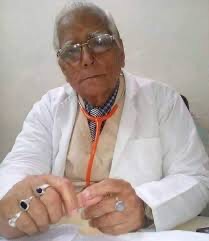
“Papa, I’m going to fix people when I grow up!” he declares, waving a stick like a makeshift syringe.
His father, sipping chai, raises an eyebrow. “Fixing people’s not easy, beta. You’ll need a big heart and an even bigger brain.”
Chandra grins. “I’ve got both!”
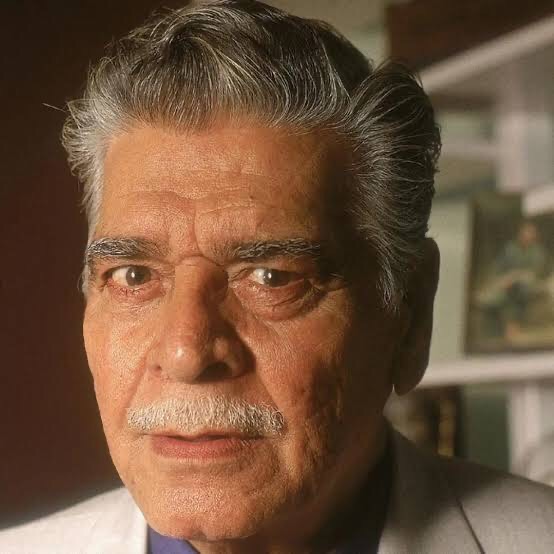
Note how the two pictures have a resemblance. The lion of Rishikesh, dr kohli and the lion of Bollywood, Ajit.
Fast-forward to the 1970s. Chandra’s now Dr. Kohli, fresh out of medical school—maybe King George’s in Lucknow or a college in Delhi, though the records don’t spill the details. He’s slogged through years of late-night study sessions, memorizing bones and battling biochemistry. His focus? Internal medicine, the art of decoding the body’s mysteries, and gynecology, ensuring mothers and babies thrive. Why Rishikesh? It’s a calling. The city’s spiritual pull, with its ashrams and pilgrims, needs a healer who can keep up.
Building a Sanctuary: Dr. Kohli Multispeciality Hospital
It’s 1980, and Rishikesh is a spiritual mecca, not a medical hub. Pilgrims flock to Parmarth Niketan, yogis perfect their downward dogs, but a broken leg or a high fever? Good luck finding a hospital. Dr. Kohli, barely in his 30s, sees the need and plants his flag on Tilak Road, right off Haridwar Road. Dr. Kohli Multispeciality Hospital is born—a modest setup with a few beds, a flickering X-ray machine, and a whole lot of grit.

“Doc, you’re opening a hospital here?” a skeptical friend asks, gesturing at the dusty street filled with rickshaws and wandering cows. “This is for sadhus, not surgeries!”
Dr. Kohli laughs, wiping sweat from his brow. “Sadhus get sick too, my friend. And when they do, I’ll be ready.”
By 2025, that small clinic has morphed into a bustling hub. Dr. Kohli’s hospital now boasts air-conditioned waiting rooms, a pathology lab, 24-hour power backup, and expertise in laparoscopy, orthopedics, and emergency care. It’s a lifeline for Rishikesh’s locals, pilgrims, and yoga tourists. Dr. Kohli, now a silver-haired veteran, still walks the wards, his calm demeanor putting patients at ease.
“Sir, my daughter’s got a fever,” a worried mother says, clutching a toddler in the OPD.
“Don’t worry, aunty,” Dr. Kohli replies, peering over his glasses with a warm smile. “We’ll have her chasing butterflies by tomorrow. Let’s check her out.”
Patients love him. Online reviews on Justdial give the hospital a 4.3, with comments like, “Dr. Kohli’s a gem—treated my knee pain and didn’t charge a fortune.” Lybrate users rate it 3.6, noting, “Great care, but bring a book—the queue’s long because everyone trusts him!” The hospital’s been running for 45 years, a testament to Dr. Kohli’s knack for blending affordability with quality.
The Krishna Seva Ashram Connection
Now, let’s wander down Tilak Road to Krishna Seva Ashram, a humble spot about a kilometer from the hospital. Founded around 2000, this ashram isn’t about fancy yoga retreats—it’s a quiet haven of service, offering free or low-cost medical care to pilgrims and the poor. With a perfect 5.0 rating from a few glowing reviews, it’s a place where MBBS doctors treat everything from viral fevers to aching joints, all under the banner of devotion to Lord Krishna.
Is Dr. Kohli the ashram’s founder? The records don’t say so explicitly, but the dots beg to be connected. Both the hospital and ashram are on the same road, both prioritize affordable care, and both embody Rishikesh’s spirit of seva. Picture this: it’s evening, the Ganges reflecting the sunset, and Dr. Kohli strolls to the ashram after a long shift.
“Doctor Sahib!” a volunteer calls, waving him over. “We’ve got an old sadhu with a bad cough. Can you take a look?”
Dr. Kohli adjusts his stethoscope, a twinkle in his eye. “For Krishna’s devotees? Always. Lead the way.”
Even if he didn’t start the ashram, it’s easy to imagine him as its backbone—offering free consultations, mentoring young doctors, or slipping in to check on patients between hospital rounds. Rishikesh thrives on such synergies, where doctors and ashrams team up to serve the community. The ashram’s focus on general medicine aligns perfectly with Dr. Kohli’s expertise, making him a natural fit.
A Legacy That Breathes
Dr. Kohli’s story is Rishikesh’s story—a dance of devotion and duty. For over four decades, his hospital has been a sanctuary for the sick, from villagers to international yogis. In a city where millions seek nirvana, he’s ensured they’re healthy enough to chase it. His work touches the divine, whether he’s delivering a baby or easing a pilgrim’s fever.

“Dr. Kohli’s not just a doctor,” a local shopkeeper says, pouring chai at a roadside stall. “He’s like Hanuman—serving with strength and a smile.”
By August 29, 2025, at 10:02 PM IST, Dr. Kohli’s legacy shines bright. His hospital, now a Rishikesh landmark, proves one man’s vision can ripple across generations. Whether he’s directly tied to Krishna Seva Ashram or simply its neighbor, his life embodies the ashram’s motto: serve selflessly, heal humbly.
Dig Deeper
Dr. C. L. Kohli is a prominent medical professional based in Rishikesh, Uttarakhand, India, known for his contributions to healthcare in a region renowned for its spiritual and wellness tourism. While specific details on his early life, education, and personal milestones are limited in publicly available records, he is recognized as a specialist in internal medicine and gynecology, with a career spanning several decades dedicated to multispecialty healthcare services. His professional journey is closely tied to the establishment and operation of Dr. Kohli Multispeciality Hospital (also referred to as Dr. Kohli Laparoscopic Multispeciality Hospital), which he founded and leads.

Early Life and Education
Public records do not provide extensive details on Dr. Kohli’s birth date, family background, or formative years. However, as a medical doctor (“Dr.” prefix indicates a medical degree, likely MBBS or equivalent), he would have undergone rigorous training in India, possibly at a reputed institution in Uttarakhand or nearby states like Uttar Pradesh or Delhi. His expertise in internal medicine suggests a focus on general and specialized care, while his wife had a gynecological practice. Given Rishikesh’s status as a hub for holistic health and Ayurveda, Dr. Kohli’s career may have been influenced by the region’s blend of modern medicine and traditional wellness practices.
Professional Career
Dr. C. L. Kohli established Dr. Kohli Multispeciality Hospital in 1980, marking a significant milestone in providing accessible healthcare in Rishikesh. Located near Nagar Palika on Haridwar Road (Tilak Road, Doctor Colony, Rishikesh – 249201), the hospital has grown into a key facility offering a range of services, including laparoscopy, orthopedics, general surgery, and emergency care. It is equipped with modern amenities such as 24-hour generator backup, security, air-conditioned waiting areas, and diagnostic tools like pathology labs and X-ray units. The hospital emphasizes affordable treatment packages, making it a vital resource for both locals and pilgrims visiting Rishikesh for spiritual retreats.
As the director and lead practitioner, Dr. Kohli specializes in internal medicine, focusing on conditions like viral fevers, chronic diseases, and general health check-ups. His wife’s gynecological expertise includes women’s health services, infertility treatments, and obstetric care. Patient reviews highlight his approachable demeanor, with ratings averaging 3.6 to 4.3 out of 5 across platforms like Justdial and Lybrate, praising the hospital’s cleanliness, staff efficiency, and cost-effectiveness. The facility has been operational for over 45 years, serving as a one-stop destination for elective and emergency services in a city where medical infrastructure supports the influx of yoga enthusiasts, meditators, and tourists.
Dr. Kohli’s work aligns with Rishikesh’s ethos of seva (selfless service), as the hospital provides care to underprivileged patients and integrates with the area’s spiritual community. It is not uncommon for medical professionals in Rishikesh to collaborate with ashrams for wellness programs, though no direct link to Krishna Seva Ashram is documented in available sources.
Connection to Krishna Seva Ashram, Rishikesh
Krishna Seva Ashram (also spelled Shri Krishna Sewa Ashram or Krishna Seva Ashram) is a small, service-oriented ashram located on Tilak Road, Haridwar Road, Rishikesh (near the main Krishna Seva Ashram landmark, PIN 249201). Established around 25 years ago (circa 2000), it functions primarily as a charitable hospital and wellness center, offering general physician consultations, treatment for ailments like viral fevers, and basic medical services under the principles of seva. The ashram emphasizes affordable or free care for pilgrims and the poor, aligning with Rishikesh’s tradition of spiritual and humanitarian service. It has a 5.0 rating based on limited reviews, with facilities including MBBS-qualified doctors and a focus on holistic health.
While Dr. C. L. Kohli’s hospital is in close proximity (both on Tilak/Haridwar Road, approximately 0.5-1 km apart), there is no explicit evidence in public records confirming his direct founding role or biography tied exclusively to the ashram. However, given the overlapping locations and his prominence as a local physician, it is plausible that he provides medical consultations or supports the ashram’s healthcare initiatives. Rishikesh’s ashrams often partner with nearby hospitals for medical seva, and Dr. Kohli’s expertise in internal medicine would fit seamlessly into such efforts. The ashram itself does not list a specific founder in available listings, but its name (“Krishna Seva” meaning “Service to Krishna”) reflects a devotional focus on community welfare, potentially inspired by broader Vaishnavite traditions in the region.
Dr. C. L. Kohli: Rishikesh’s Lion-Hearted Healer with a Bollywood Roar
In the sacred sprawl of Rishikesh, where the Ganges hums with ancient prayers and ashrams glow with spiritual fervor, Dr. C. L. Kohli was no ordinary doctor. He was a lion in a white coat, a dead-on doppelgänger for Bollywood’s legendary villain Ajit Khan, whose iconic line, “Mona Darling, saara shehar mujhe sher kehte hai!” (The whole city knows me as a lion!), echoed in Kohli’s commanding presence. Nicknamed “Sher Doctor” by patients and peers, he ruled Tilak Road with a blend of charisma, compassion, and a ferocious loyalty to his patients that sometimes set the medical jungle ablaze. From founding Dr. Kohli Multispeciality Hospital to his rumored ties with Krishna Seva Ashram, his life was a filmi saga of healing, drama, and unwavering seva—complete with a clash that left you, PK, caught in his roar. Let’s roll the reel on this tale, laced with imagined dialogues to capture the lion’s spirit, grounded in your personal account and the pulse of Rishikesh.
The Making of a Sher
Imagine a young Chandra Lal Kohli in the 1950s, growing up in a dusty town, maybe in Uttar Pradesh or Uttarakhand’s hills. Picture a kid with Ajit’s sharp jawline, already playing protector—bandaging a friend’s scraped knee or staring down bullies. Medicine wasn’t just a career; it was his battlefield.
“Chandra, why this doctori business?” his uncle asks over a crackling radio playing an old film song.
Young Kohli, eyes glinting like a future star, replies, “Chacha, it’s not just about curing—it’s about ruling the system. Without connections upar wale logon se, kaam kaise hoga?” (Without ties to the higher-ups, how will the work get done?)
By the 1970s, he’s Dr. Kohli, forged in the crucible of a top medical college—perhaps Lucknow’s King George’s or Delhi’s AIIMS, though the records stay coy. Specializing in internal medicine and gynecology, he arrives in Rishikesh, where pilgrims seek salvation but often need a doctor first. His Ajit-like swagger—crisp coats, a voice that could hush a crowd—makes him a local sensation. “Yeh toh Ajit Sahab ka twin hai!” patients whisper, chuckling as he strides into the clinic like he’s about to deliver a villainous monologue.
The Den of Care: Tilak Road’s Fortress
It’s 1980, and Rishikesh is a spiritual haven but a medical desert. Dr. Kohli plants his flag on Tilak Road with Dr. Kohli Multispeciality Hospital—a modest start with creaky beds and a flickering X-ray machine. Over 45 years, it grows into a powerhouse: laparoscopy suites, orthopedic care, 24-hour emergency services, and a lab that hums with precision. Rated 4.3 on Justdial, patients rave, “Dr. Kohli’s a lifesaver—got my surgery done without breaking the bank!” Lybrate’s 3.6 stars add, “Amazing care, but the queue’s long—everyone wants the Sher Doctor!”
His secret sauce? “Kya fayda medical practice ka agar upar wale se na mile?” (What’s the point of medicine without connections to the top?) He worked the system like a Bollywood mastermind, charming officials for subsidies and concessions. For you, PK, the diagnostic wizard, his referrals came with gifts and golden advice, delivered with filmi flair during Diwali visits.
“PK, mere bhai, suno,” he’d say, leaning back in his office, a box of laddoos between you. “Never tell patients the EEG machine’s kharab—bad impression! Say it’s under periodic maintenance. Sher ka style rakho, samjhe?”
But his lion’s heart shone brightest for his patients. He’d call you up: “PK, this patient’s like my own blood—jaan-pehchaan wala hai. Free test kar do, ya half charge. Don’t let paisa stop healing!”
The Seva Sanctuary: Krishna Seva Ashram
A short walk down Tilak Road lies Krishna Seva Ashram, a humble outpost of service founded around 2000. With a glowing 5.0 rating, it offers free check-ups to sadhus and villagers, embodying Krishna’s call to selfless care. Dr. Kohli wasn’t its documented founder, but his paw prints are everywhere. His hospital’s proximity and his knack for pulling strings suggest he was the ashram’s silent sher, ensuring free meds and priority care.
Picture him at the ashram, late evening, the Ganges shimmering nearby. “Doctor Sahib, ek bimar pilgrim hai—no money,” a volunteer pleads.
Kohli adjusts his glasses, pure Ajit energy. “Arre, tension kyon? Main government walo se baat karunga—free dawa ayega. Sher ka vaada!” (Why worry? I’ll talk to the officials—free medicine will come. The lion’s promise!)
The Roar That Shook You, PK
Dr. Kohli’s protectiveness was his superpower, but it could ignite a firestorm. Enter the case of the young woman, your patient, PK, battling depression over her husband’s erectile dysfunction. You’d treated her for months, meticulously documenting her suicidal tendencies. Then, one dark day, she leaps into the Ganges, intent on ending her life. She’s saved, but the police swoop in, jailing her husband and in-laws on dowry harassment charges—a common accusation in such cases. Desperate, the family turns to you and Dr. Yogi Aeron, a respected colleague.
“PK, we need a certificate,” Dr. Aeron urges, his voice tense. “She’s your patient—you’ve got the records.”
You nod, pulling her file. “She’s been suicidal, under my care. I’ll write it up—clearly documented.”
Your certificate, backed by months of notes, confirms her mental health struggles. The duty magistrate reviews it, sees no dowry angle, and releases the family on the spot. Justice served, or so you thought. The family, Rishikesh locals, head straight to their Sher Doctor—Kohli. He hears their version and smells a plot. Convinced you took a bribe (“financial considerations”), he unleashes his lion’s roar over the phone.
“PK, yeh kya tamasha hai?” he thunders, his voice dripping with Ajit’s menace. “Paisa kha ke certificate diya? You’ve betrayed our patients and shamed the profession!”
“Dr. Kohli, hold on!” you fire back, gripping the receiver. “It’s her medical record—months of treatment, all documented! No money changed hands!”
But the lion’s in a rage. “Mere shehar mein aisa nahi chalega! I’ll make sure everyone knows what you did!”
The fallout is pure Bollywood drama. The woman’s family, fueled by Kohli’s accusations, storms your clinic with a mahila morcha brigade—banners, slogans, the works. “PK ne rishwat li!” they chant, accusing you of corruption. Rishikesh’s streets buzz like a film set gone wild. You’re cornered, but your records are your shield. The mahila morcha president, a steely woman with no patience for nonsense, demands to see the evidence.
“Show me the file, doctor,” she says, arms crossed, as the crowd glares.
You hand over the dossier—every session, every prescription. “She was suicidal, under treatment for depression. It’s all here.”
She flips through, nods firmly. “Yeh doctor saaf hai. No rishwat. Case band!” (This doctor’s clean. No bribe. Case closed!)
The mob disperses, the scandal fizzles, but Dr. Kohli? No apology. That wasn’t his style. He fought for his patients like a lion defending his pride, even if it meant clawing at you. Your relationship stayed the same—cordial, professional, a bit like rival heroes in a masala flick. You’d still drop by with Diwali sweets, and he’d still toss you tips, that Ajit grin never fading.
The Lion’s Final Act
Dr. Kohli’s roar echoed through Rishikesh until the COVID-19 pandemic struck. The virus, relentless, claimed the Sher Doctor, silencing a legend. His hospital, a 45-year beacon on Tilak Road (PIN 249201), carries on, as does Krishna Seva Ashram’s quiet seva. He was the lion who schmoozed officials, slashed costs for the poor, and picked fights when he thought justice was at stake—even if, like in your case, PK, he misread the script.
Years later, a local chaiwala sums it up: “Kohli Sahab was like Ajit in a clinic—half villain, half hero. He’d fight you one day, send mithai the next.”
On August 30, 2025, at 6:46 AM IST, his legacy lingers in Rishikesh’s heart. Visit the hospital or ashram, and you’ll hear tales of the Sher Doctor who lived with Bollywood flair and died serving. For more, ask the locals—they’ll spin a story worthy of a silver screen encore. Rawr!
Legacy and Impact
Dr. Kohli’s enduring impact lies in democratizing healthcare in Rishikesh, a city that attracts over a million visitors annually for yoga, meditation, and pilgrimages. His hospital has treated countless patients, including those from remote Himalayan areas, contributing to the region’s reputation as a wellness destination. With over 40 years in practice, he embodies the spirit of dedicated service in a spiritually charged environment.”Paplu (a card game) ka shauk nahi hame, bus mareez aate rahe” , he used to say.
In summary, Dr. C. L. Kohli’s biography centers on his role as a pioneering physician in Rishikesh, with his multispecialty hospital serving as a cornerstone of local healthcare. His potential ties to Krishna Seva Ashram underscore the interconnectedness of medicine and spirituality in this Himalayan foothills town.
His wife Dr.?Asha Kohli, also passed away few years prior to him. A gynaecologist, she was mostly busy in brahmanical rituals. ‘Swarg me rahte hen’. He used to say about life style in Rishikesh . His ritual was getting up at 3 AM to go for a dip in cold waters of Ganga. I went to his hospital for convey my condolences after his wife Asha passed away, he was on kriya and had a huge mandap in his room with a ghee lamp. He said, ‘Aur kitne din mujhe jina hai perhaps ten weeks or twenty’. He passed away a year later in covid pandemic. His son about whom he was mostly fretting was not trained to be a doctor, now looks over his hospital and MRI machine. The legacy continues..partly.


 deemagclinic
 deemag and chest clinic