
In the sweltering haze of September 2001, as the smoke from the World Trade Center still choked the New York skyline, a young medical intern named Neil K. Anand stepped into the chaos of Ground Zero. Born in 1977 to Indian immigrants who had chased the American Dream with degrees in hand and hearts full of hope, Neil embodied the promise of that dream—a kid from Philadelphia’s bustling suburbs, now thrust into the heart of national tragedy. “I couldn’t just sit in a hospital bed counting sutures,” he later recalled in a raw interview, his voice cracking over the phone from a supporter’s podcast. “People were dying, screaming for help. I grabbed my stethoscope and ran.”
That day, amid the twisted steel and acrid dust, Neil treated firefighters and survivors, bandaging wounds that went far beyond the physical. The 9/11 attacks didn’t just scar the city; they ignited something fierce in him. Just weeks later, he enlisted in the U.S. Navy as a physician, trading the fluorescent lights of residency for the unpredictable rhythm of military service. “America gave my family everything,” he’d say, echoing the stories his parents told of arriving penniless but determined. “Now it was my turn to give back.” Over the next few years, he served with quiet distinction, honing his skills in anesthesiology and pain management—fields that would define, and ultimately upend, his career.
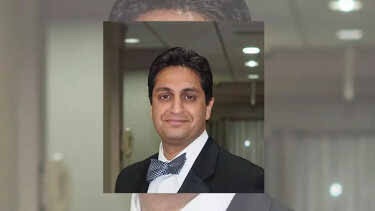
Discharged with honors, Neil hung up his uniform and settled into civilian life in Pennsylvania. By the mid-2000s, he was building a thriving practice: three bustling clinics specializing in chronic pain relief, where patients—veterans, accident survivors, everyday folks ground down by invisible agony—found a rare ally. Board-certified and battle-tested, Neil saw medicine not as a checklist, but as a battlefield for mercy. “Pain isn’t just a symptom; it’s a thief,” he once told a packed room at a medical conference, his eyes flashing with that Navy-honed intensity. “It steals your sleep, your joy, your future. My job? Steal it back.”
His clinics buzzed with life—rotating teams of doctors, in-house pharmacies stocked for quick relief, and a philosophy rooted in compassion. For many, Neil was a lifeline. Social media lit up with testimonials: “Dr. Anand listened when no one else would,” one patient posted during his later ordeal. “He saw my pain, not just my chart.” But beneath the surface, whispers of scrutiny grew. The opioid crisis was raging, and regulators were circling like hawks. Neil’s approach—aggressive pain management with controlled substances—drew eyes. In 2019, federal agents raided his offices, seizing records and freezing accounts. The charges hit like a gut punch: healthcare fraud, wire fraud, unlawful distribution of opioids, and money laundering.
The allegations painted a damning picture. Prosecutors claimed Neil and his team had pushed “Goody Bags”—bundles of unnecessary meds billed to Medicare, the U.S. Office of Personnel Management, Independence Blue Cross, and Anthem—totaling over $2.3 million in fraudulent reimbursements. Patients, they said, were coerced into taking these unwanted pills just to score oxycodone prescriptions, with unlicensed interns scribbling orders on pre-signed blanks. “For you, their pain was your gain,” U.S. District Judge Chad F. Kenney thundered at sentencing, his gavel echoing Neil’s fall from grace. “You were not focused on treating your patients.” Neil, now 48 and hollow-eyed in the courtroom, was slapped with 14 years in federal prison, plus $2 million in restitution and forfeiture. He’d allegedly funneled $1.2 million into a family account to dodge the feds.
But Neil fought back with the fire of a man who’d stared down rubble and recruitment oaths. From the start, he framed it as a David-vs.-Goliath showdown. “The government is using artificial intelligence and manipulated data to prosecute me for treating chronic pain patients,” he declared in a 2023 blog post that went viral among medical advocacy circles, his words a rallying cry. “They’re turning tools meant to help into weapons against doctors.” Supporters—dozens of them, from fellow 9/11 responders to pain warriors—flooded social media with #FreeDrAnand. “This isn’t justice; it’s a witch hunt,” one Navy vet tweeted, sharing stories of Neil’s clinics as sanctuaries. His legal team, led by the tenacious Coley Reynolds, argued it was all a tragic misfire: evidence-based care twisted by hindsight in an era of opioid paranoia. “Compassion isn’t a crime,” Reynolds boomed in court, jabbing a finger at the prosecution’s table. “Dr. Anand healed heroes—now they’re crucifying him for it.”
As appeals loomed in the fall of 2025, Neil sat in a Philadelphia detention center, penning letters that read like dispatches from the front lines. “The law has spoken for now,” he wrote to a supporter, “but the deeper questions remain: What is healing? What is justice? Where’s the line between mercy and misconduct?” His family—wife, kids, those immigrant parents who’d built an empire of quiet pride—rallied around him, disputing every charge as a betrayal of the boy who’d run toward the flames. In the end, Neil K. Anand’s story isn’t one of unblemished heroism; it’s a gritty American epic—equal parts valor and vulnerability, where the healer becomes the hunted, and the quest for pain’s end blurs into a fight for his own soul. Whether he emerges vindicated or forever marked, one thing’s clear: in the theater of medicine, Neil’s act is far from over.


 deemagclinic
 deemag and chest clinic