
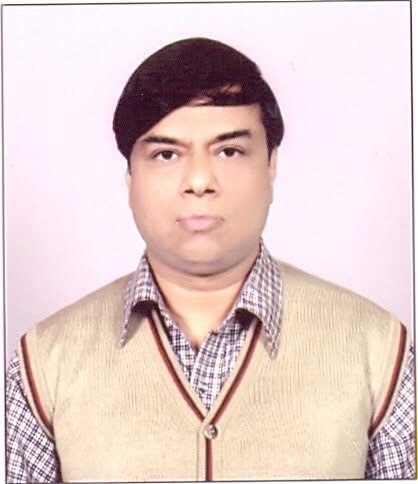
In the bustling lanes of Moradabad, Uttar Pradesh—a city known more for its brassware bazaars and unyielding summer heat than for birthing legends—Sanjeev Yadav came into the world on 4th May 1960. Born into a modest family, young Sanjeev was the kind of kid who blended into the background: short, thin, and sparingly built, like a reed swaying in the monsoon winds. He wasn’t the type to command attention with booming presence or athletic prowess. No, Sanjeev was quieter, his energy coiled tight, ready to unfurl in unexpected ways. Little did the neighborhood boys know that this scrawny lad from Moradabad’s heart would one day stitch together a life of healing, mischief, and an unshakeable devotion to his roots.
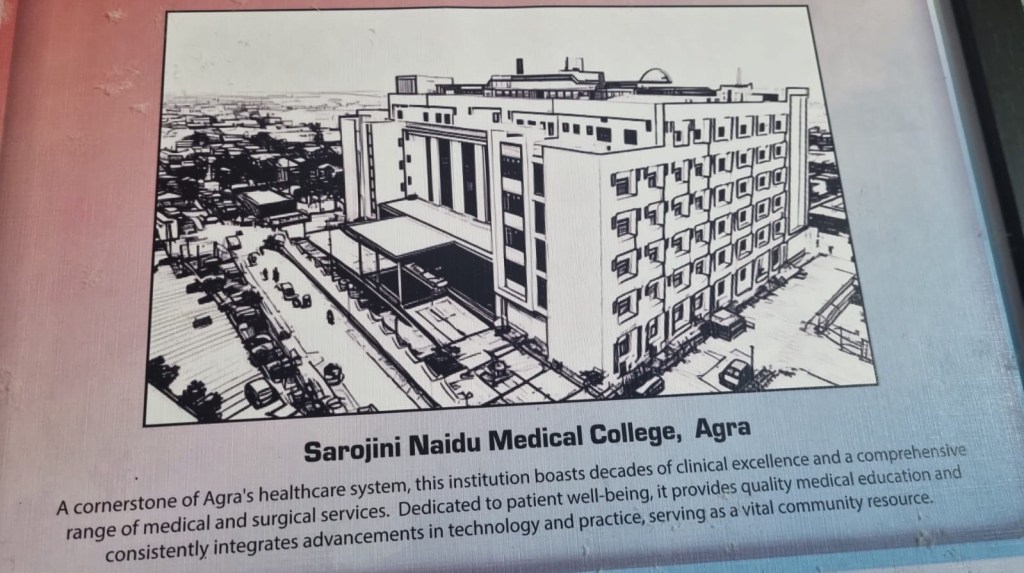
By 1979, Sanjeev had packed his dreams—and probably a trunk full of his mother’s homemade parathas—and headed to Agra, the city of the Taj, to chase medicine at SN Medical College. It was a big leap for a small-town boy, but Sanjeev dove in with the wide-eyed hunger of youth. The college corridors buzzed with the chaos of future doctors: late-night cram sessions under flickering bulbs, the metallic tang of dissection halls, and the endless banter that turns strangers into brothers. Sanjeev fit right in, or so it seemed. But it was his laugh that first etched him into memory—a breathless, staccato burst, like heh-heh, sharp and sudden, always trailing off into a quick gasp for air. Not the deep, rumbling ha-ha of a hearty uncle, but something lighter, almost apologetic, as if he were laughing at the absurdity of life itself and needed a moment to catch his breath before the next punchline.

We were hostel mates back then, a ragtag bunch of wide-awake insomniacs trading stories till dawn. Sanjeev’s room was a shrine to the ordinary: dog-eared textbooks, a faded poster of Amitabh Bachchan mid-angry young man glare, and a stack of letters tied with string that he swore were from “important relatives.” But the real stories? They spilled out over chai and stolen cigarettes on the rooftop, where the minarets of Agra Fort loomed like silent judges.

“Arre yaar, you won’t believe what happened today,” he’d say, eyes twinkling under those thick glasses, leaning in like he was sharing state secrets. And then it would tumble out: tales of the girls in the women’s hostel across the quad. Sanjeev was obsessed, utterly and unapologetically. Not in a creepy way—no, his was the boyish fixation of someone discovering poetry in a world of prose. “Did you see her? That one with the dupatta like a waterfall? I swear, if medicine doesn’t work out, I’m opening a clinic just for heartbreak consultations.” We’d groan and rib him mercilessly, but damn if he didn’t make it infectious. He’d mimic their walks with exaggerated sways, invent backstories wilder than a Bollywood script: “She’s a spy, bhai, sent by the Russians to steal our anatomy notes!”
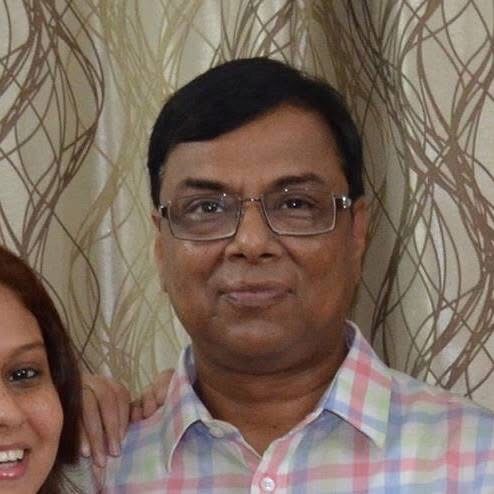
His visits to the girls’ hostel were the stuff of legend—needless, brazen drops under the flimsiest pretexts. “Forgot my stethoscope,” he’d claim, or “Need to borrow a suture needle—emergency!” The warden, a no-nonsense auntie with a glare sharper than a scalpel, would squint at him from her perch. “Yadav, again? What’s the real emergency this time—your ego?” But Sanjeev, with that breathless chuckle, would flash his most earnest grin: “Ma’am, just checking pulses. Hearts are my specialty.” The girls, for their part, seemed amused more than annoyed, dubbing him their unofficial mascot. And the boys? We latched on quick. “Lasso,” we started calling him, after some half-remembered Western where the hero ropes in the wild ones with charm and a loop of rope. It stuck like glue. “Oi, Lasso! Caught another one?” we’d holler as he sauntered back, feigning innocence.

What surprised us most, though, was the hockey field. Sanjeev? The twig of a man who huffed up a single flight of stairs? We figured he’d stick to the benches, cheering with that wheezy laugh. But come practice, out he’d sprint, stick in hand, a blur of elbows and grit. “How the hell?” I remember muttering to Rajesh one afternoon, shielding my eyes from the dust. Sanjeev had just weaved through three defenders, his thin frame dodging like a monsoon eel, and slammed the ball past the goalie. “Beta, it’s all in the breath,” he panted later, collapsing beside us with a grin. “Save it for the goal, not the laughs.” Turns out, that sparse build hid a wiry tenacity; he wasn’t built for brute force, but for the sly feint, the unexpected surge. It was the first lesson in never underestimating the quiet ones.
Years rolled by like the Yamuna in flood season. Sanjeev knuckled down, aced his MD in Medicine, and traded the hostel’s rooftop philosophizing for the grind of real healing. He returned to Moradabad, settling into PMS , where the waiting room filled with fevers, fractures, and the quiet desperation of small-town ailments. But Sanjeev didn’t just treat; he listened. In an era when doctors barked prescriptions like orders, he’d pull up a stool, that breathless laugh punctuating the pauses. “Tell me, didiya, what does the pain feel like? Like a thief in the night, or an old friend overstaying?” Patients left feeling seen, not just patched.
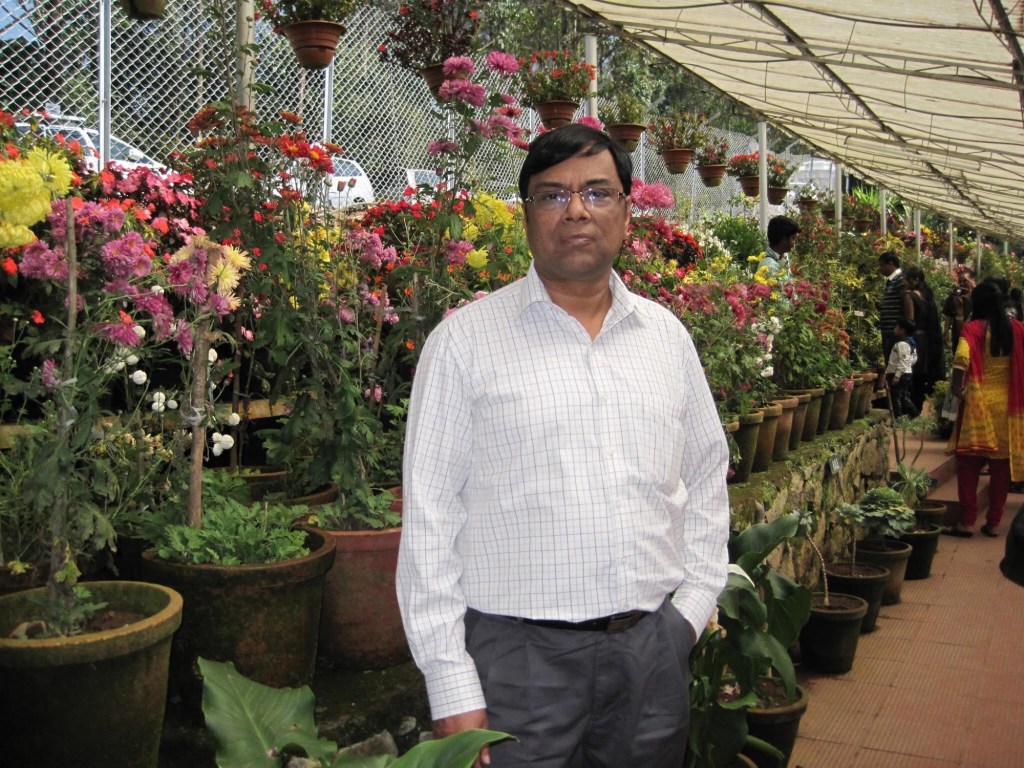
His rise was steady, unflashy—the kind earned in dusty clinics and midnight emergencies. From junior consultant to head of department, and eventually, in the mid-2010s, to Chief Medical Officer of Moradabad district. It was a perch of real power: overseeing public health campaigns, wrangling bureaucrats, and steering the ship through crises. He spearheaded the polio eradication drive, pounding the pavements of Moradabad’s outskirts, vaccine gun in hand. “No child left behind,” he’d declare in meetings, his voice steady despite the old wheeze. “We’ve lassoed worse than this virus.” Under his watch, the district shed its polio tag, a quiet victory etched in WHO certificates and grateful parents’ nods. He mentored young docs, too, slipping them copies of his battered old textbooks with notes in the margins: Breathe. Listen. Laugh.
But life, that sly trickster, had one more feint. It started innocuous—a nagging ache in his gut, chalked up to “too much biryani at that wedding.” By early 2023, the shadows lengthened. Tests at a Delhi hospital confirmed it: pancreatic cancer, stage III, the silent assassin that gives no quarter. For a man who’d spent decades peering into others’ innards, wielding diagnoses like lifelines, this one hit like a gut punch from fate itself.

Vinod Saxena visited him in the ward that humid May afternoon, the air thick with antiseptic and unspoken fears. Sanjeev lay propped up, thinner than his college days, but that spark flickered still. IV lines snaked like old friends, and a half-read journal on tropical fevers splayed across his lap. “Arre, you came all this way?” he rasped, mustering the laugh—heh-heh—cut short by a wince. “What, to see if Lasso’s finally been roped?”
We talked, halting at first. He waved off the platitudes. “Pancreas, yaar. The bastard hides till it’s too late. I should’ve known—ironic, na? The doc who chased every symptom gets ambushed by the one that whispers.” His wife, Sunita, hovered nearby, her hand on his, eyes red-rimmed but fierce. She’d been his anchor since Muradabad days, the girl who’d laughed off his escapades and built a home from his chaos. “He still sneaks golgappas,” she whispered to me later, a watery smile breaking through. “Told him the chemo gods would smite him. He just wheezed, ‘Worth it.'”
The months blurred into a brutal rhythm: chemo sessions that left him a ghost of the hockey whiz, experimental trials in Mumbai that promised slivers of hope, and quiet evenings where he’d reminisce about the girls’ hostel like it was yesterday. “You know, I never lassoed a single one properly,” he confessed one night over video call, his voice a thread. “But damn, the chase kept me alive.” Friends rallied—old batchmates from SNMC wiring funds, patients who’d once called him “beta” now calling in favors. He fought with that same wiry grit, scripting notes for his juniors even as the pain clawed deeper: Suspect zebras, but chase horses first.
In the end, the warrant was signed not by courts, but by cells that wouldn’t yield. November 8, 2023, dawned gray over Moradabad. Sanjeev slipped away in his sleep at home, surrounded by the brass lamps he’d collected over years and the family he’d roped into his whirlwind life. He was 65, give or take—too young for a man who’d laughed breathlessly at death’s door a thousand times in service.
The funeral was a river of white: colleagues in starched coats, patients clutching marigolds, and us old hostel ghosts, trading heh-heh stories under the peepal trees. “He’d hate this fuss,” someone muttered. But we knew better. Sanjeev Yadav wasn’t one for grand exits; his was the quiet surge, the feint that leaves you grinning in awe. In a world that breaks the wiry ones, Lasso didn’t just endure—he danced, breathless and bold, till the final whistle. And in Moradabad’s brassy heart, where polio’s ghost is banished and hearts still quicken at a sly grin, a bit of him laughs on. Heh-heh. Catch your breath.
Polio Eradication Efforts: A Global Triumph with Local Grit
Poliomyelitis, or polio, is a viral disease that once paralyzed thousands of children annually, leaving lifelong disabilities or death in its wake. Caused by the poliovirus, it spreads through contaminated food, water, or direct contact, attacking the nervous system and causing paralysis in about 0.5% of cases. By the 20th century, polio was a global scourge, with outbreaks in the U.S., Europe, and developing nations like India, where crowded living and poor sanitation fueled its spread. The fight to eradicate it—driven by vaccines, global coordination, and relentless grassroots work—stands as one of humanity’s greatest public health victories, though challenges persist. Here’s a dive into the efforts, with a nod to the gritty, human side of the campaign, inspired by figures like Dr. Sanjeev Yadav from Moradabad.
The Dawn of the Fight: Vaccines and Vision
The polio eradication saga began with two game-changing vaccines. In 1955, Dr. Jonas Salk’s inactivated polio vaccine (IPV), delivered via injection, proved safe and effective, slashing cases in wealthier nations. By 1961, Dr. Albert Sabin’s oral polio vaccine (OPV)—cheap, easy to administer, and able to stop transmission by inducing gut immunity—became the weapon of choice for mass campaigns, especially in resource-poor settings. The OPV’s drops could be given by minimally trained volunteers, making it a godsend for places like rural India.
By the 1980s, polio was under control in much of the West, but it ravaged developing nations. In 1988, the World Health Organization (WHO), alongside Rotary International, UNICEF, and the U.S. CDC, launched the Global Polio Eradication Initiative (GPEI). The goal was audacious: eradicate polio worldwide by 2000, making it the second disease after smallpox to be wiped out. At the time, polio paralyzed over 350,000 children annually across 125 countries. The strategy was simple but brutal to execute: vaccinate every child under five, repeatedly, through mass campaigns, and strengthen surveillance to catch every case.
The Global Playbook: Strategies and Scale
The GPEI’s approach rested on four pillars:
- Routine Immunization: Integrating polio vaccines into national health systems to ensure every child got multiple doses early in life. This was tough in places with weak healthcare infrastructure, like India’s vast rural belt or conflict zones in Africa.
- Supplementary Immunization Campaigns: National Immunization Days (NIDs) and Sub-National Immunization Days (SNIDs) mobilized millions of vaccinators to deliver OPV door-to-door or at temporary booths. In India, these “pulse polio” campaigns, launched in 1995, became cultural phenomena, with Bollywood stars and local leaders urging parents to vaccinate. Picture Dr. Sanjeev Yadav in Moradabad, vaccine cooler slung over his shoulder, trudging through muddy lanes to reach a skeptical village: “Arre, bhaiya, two drops, and your kid runs free. No polio, no paralysis!”
- Surveillance: Acute flaccid paralysis (AFP) surveillance became the backbone. Any child with sudden limb weakness was tested to confirm polio or rule it out. Labs analyzed stool samples, and rapid reporting systems tracked the virus’s footprint. In places like Moradabad, doctors like Sanjeev trained health workers to spot cases, their breathless enthusiasm—heh-heh—urging teams to “chase the virus like it’s a runaway thief.”
- Mop-Up Campaigns: When cases popped up, rapid-response teams flooded the area with vaccines to smother outbreaks. This was critical in high-risk zones like Uttar Pradesh, where dense populations and poor sanitation let polio linger.
The numbers tell the story of progress. By 1999, wild poliovirus type 2 was eradicated globally. By 2014, the WHO South-East Asia Region, including India, was declared polio-free—a monumental feat. By 2025, wild polio cases have plummeted to near-zero, with only Pakistan and Afghanistan reporting endemic transmission (17 cases combined in 2024, per WHO).
India’s Battle: Grit, Scale, and Dr. Yadav’s Moradabad
India’s polio fight is a masterclass in turning chaos into victory. In the 1990s, India accounted for 60% of global cases, with Uttar Pradesh and Bihar as epicenters. Moradabad, a bustling industrial hub, was a hotspot due to its dense population, migrant workers, and patchy sanitation. Enter Dr. Sanjeev Yadav, the wiry, hockey-playing doc with a laugh like a hiccup. As a physician and later Chief Medical Officer, he was part of the army of health workers who turned the tide.
India’s pulse polio campaigns were logistical marvels. Twice a year, over 2 million vaccinators and 150 million children were mobilized. Trains, buses, and even boats carried vaccine teams to remote corners. In Moradabad, Sanjeev and his teams knocked on doors, set up booths in bazaars, and sweet-talked reluctant parents. “Didi, it’s just two drops,” he’d say, flashing that earnest grin. “Your baby’s legs deserve to dance.” Resistance was fierce—rumors swirled that vaccines caused sterility or were a Western plot. Sanjeev tackled this head-on, sipping tea with village elders, debunking myths with data and that breathless chuckle: “Arre, if I’m vaccinated and still chasing goals on the hockey field, you think this is poison?”
The campaign leaned on local heroes. Muslim clerics in Uttar Pradesh issued fatwas supporting vaccination after community engagement. In Moradabad, Sanjeev worked with imams to assure families, bridging trust gaps. By 2011, India reported its last wild polio case—a two-year-old girl in West Bengal. By 2014, the WHO certified India polio-free, a triumph of persistence. Sanjeev’s role, like thousands of others, was unsung but vital. “No child left behind,” he’d repeat, vaccine gun in hand, dodging monsoon puddles.
Challenges and Setbacks: The Last Mile
Despite progress, polio eradication isn’t done. The “last mile” is a slog:
- Vaccine-Derived Polio: OPV, while effective, can rarely mutate into circulating vaccine-derived poliovirus (cVDPV) in under-vaccinated areas. In 2024, 135 cVDPV cases were reported globally, mostly in Africa (e.g., Nigeria, Somalia). Switching to IPV or newer OPVs (like nOPV2) is helping, but it’s a logistical nightmare.
- Conflict Zones: In Pakistan and Afghanistan, insecurity disrupts campaigns. Taliban bans and attacks on vaccinators—over 200 killed since 2012—hamper efforts. A vaccinator in Peshawar once told me, “We dodge bullets to save kids. It’s our jihad.” Their courage mirrors Sanjeev’s tenacity.
- Vaccine Hesitancy: Misinformation persists, from Pakistan’s tribal areas to pockets of Africa. Social media amplifies distrust, echoing India’s old rumors. Community engagement, like Sanjeev’s chats with Moradabad’s elders, remains key.
- Surveillance Gaps: In conflict or remote areas, weak surveillance can miss cases, letting the virus smolder. Strengthening health systems is critical.
The Human Side: Sanjeev’s Echo
Polio eradication isn’t just data—it’s people. It’s Sanjeev Yadav, scrawny and unstoppable, laughing breathlessly as he coaxed a mother to vaccinate her toddler. It’s the vaccinator in Balochistan risking her life for a vial of drops. It’s the lab tech in Delhi analyzing samples at 2 a.m. When Sanjeev faced his own battle with pancreatic cancer in 2023, he still scribbled notes for his team: Keep chasing the virus. Don’t let it breathe. His death at 65 was a quiet loss, but Moradabad’s polio-free streets are his legacy.
As of October 2025, the world is tantalizingly close to eradication. Wild polio is cornered in two countries, but cVDPV and access barriers keep the finish line just out of reach. The GPEI’s budget—$1 billion annually—needs sustaining, and new tools like nOPV2 and digital surveillance are gaining ground. If we falter, polio could surge back, as it did in Malawi in 2022 after decades of absence.
The Road Ahead
Eradication hinges on closing gaps: vaccinating every child, even in war zones; quashing vaccine-derived outbreaks; and countering misinformation with trust. It’s what Sanjeev did in Moradabad—listen, laugh, persist. As he’d say, heh-heh, catching his breath, “We’ve lassoed worse than this.
Obituary
मुरादाबाद के सीएमओ रहते हुए डॉ. संजीव यादव ने टीकाकरण को बढ़ावा दिया था। वह लंबे समय से बच्चों को पोलियो से बचाने के लिए दो बूंद जिंदगी की अभियान से जुड़े थे।
Moradabad: Former CMO Sanjeev Yadav dies, played role eliminating polio from district
मुरादाबाद जिले के सीएमओ रहे डॉ. संजीव यादव का बीमारी के कारण बुधवार को निधन हो गया। वह कैंसर से पीड़ित थे और उनका इलाज चल रहा था। बुधवार को दीनदयाल नगर स्थित अपने आवास पर उन्होंने अंतिम सांस ली। डॉ. संजीव ने मुरादाबाद के सीएमओ रहते हुए जिले से पोलियो रोग को खत्म करने में बड़ी भूमिका निभाई थी।
उन दिनों वह डब्ल्यूएचओ में एसएमओ के रूप में तैनात थे। जब भारत में पोलियो के केस मिलने बंद हो गए तो उन्हें मुरादाबाद का सीमओ बनाया गया। पांच साल तक पद पर सेवाएं देते हुए उन्होंने टीकाकरण को बढ़ावा दिया था। बच्चों को पोलियो से बचाने के लिए दो बूंद जिंदगी की अभियान से जुड़े।
अन्य खतरनाक बीमारी से बचाने के लिए घर-घर टीम भेजकर टीकाकरण कराया। सीएमओ रहने के बाद इन्हें एएनएम प्रशिक्षण केंद्र का प्रिंसिपल बनाया गया। सेवानिवृत्ति के बाद इन्हें कोरोना काल में अलग-अलग जिलों में ऑब्जर्वर के रूप में भेजा गया।


 deemagclinic
 deemag and chest clinic