
Picture this: It’s 1979, and the dusty plains of Agra are buzzing with the dreams of young hopefuls clutching their entrance exam results. Amid the chaos of the Sarojini Naidu Medical College admissions, one name stands out—not for fanfare, but for quiet grit. Dr. Ram Saran Singh Chauhan, born on 22 nd of October 1958, a sturdy young man from the misty foothills of Uttarakhand, secures his spot through the elusive “hill quota.” Back then, it was a lifeline for folks from the rugged hills, a nod to the challenges of getting an education when your world is wrapped in pine-scented winds and treacherous mountain paths.

“Son, the hills chose you for a reason,” his father had said that evening, clapping a calloused hand on Ram Saran’s shoulder as they sat by a flickering kerosene lamp. Ram Saran, already 25, looked up with a mix of pride and exhaustion. He wasn’t the wide-eyed teenager most freshmen were; no, he was a husband, a father—tied to a young family that made every step heavier, yet infinitely more meaningful. “Baba, it’s not just for me,” he replied softly, his voice steady like the Ganges in monsoon. “It’s for them. For the little one who’ll one day call me ‘Doctor Papa.'” Marriage and fatherhood had come early, in the whirlwind of hill life, but they grounded him, turning ambition into quiet resolve.
Agra was a far cry from Dehradun’s serene valleys. The college, one of India’s oldest medical bastions, threw him into a whirlwind of lectures, dissections, and sleepless nights. But Ram Saran? He thrived in the shadows. Quiet by nature, yet effortlessly affable— the kind of man who could disarm a tense debate with a gentle smile and a well-timed story about chasing goats up a hillside. “Medicine isn’t about shouting diagnoses from rooftops,” he’d chuckle to his classmates over shared cups of milky chai. “It’s about listening—to the patient’s whisper, to the body’s secrets.” His peers adored him for it; professors respected his unassuming brilliance. By the time he graduated with his MBBS, he was already plotting his path into the intricate world of ears, noses, and throats.

The pull of the hills was magnetic, though. After med school, Ram Saran dove headfirst into his Diploma in Otorhinolaryngology (DLO), honing skills that would one day save voices lost to the mountains’ chill or ears deafened by echoing avalanches. “Why ENT?” I can imagine a curious intern asking him years later, as they scrubbed in for a tonsillectomy. He’d pause, scalpel in hand, and reply with that trademark warmth: “Because the hills teach you to hear the unspoken—the rustle of leaves before a storm, the faint cry of a child in the fog. ENT is like that: tuning into life’s fragile melodies.”
His calling led him straight to Doon Hospital in Dehradun, the beating heart of Uttarakhand’s public health scene. For decades, he served there as an ENT surgeon, a steady hand amid the hospital’s relentless rhythm. Picture the corridors alive with the chatter of patients from remote villages—farmers with sinus woes from woodsmoke, kids with ear infections from monsoon dips. Ram Saran moved through it all like a gentle breeze, his quiet demeanor putting even the most nervous souls at ease. “Beta, it’s just a little nudge to get things flowing again,” he’d say to a wide-eyed patient, his eyes twinkling as he explained a procedure in simple Hindi, laced with hill folklore. Effable, they called him—easy to talk to, impossible not to trust. He wasn’t one for grand speeches or spotlight surgeries; his legacy was in the lives he mended, one careful stitch at a time.
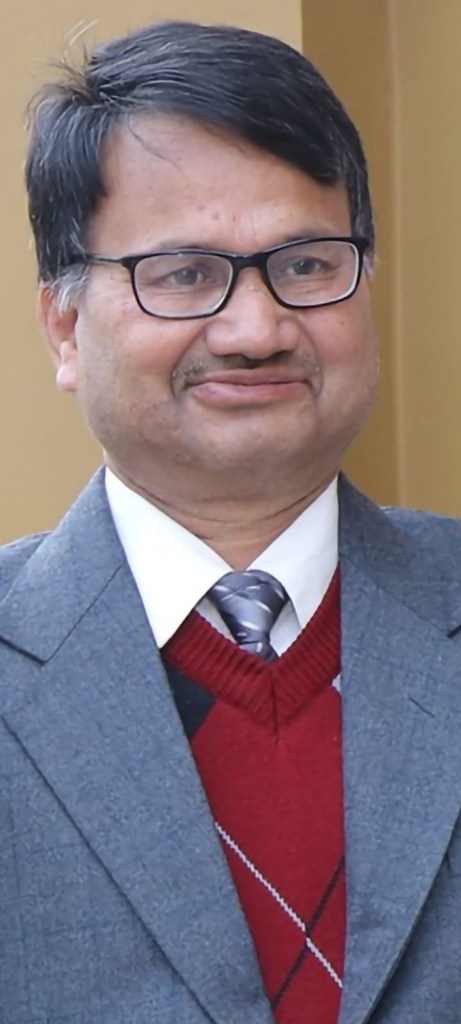
But oh, the man had layers beyond the white coat. At home, in his modest Dehradun bungalow overlooking the Doon Valley, Ram Saran was the undisputed king of the kitchen. While his wife managed the hearth’s daily fires, weekends were his domain. “No one’s eating until the spinach khichdi is ready!” he’d declare with a laugh, sleeves rolled up, stirring a pot that filled the house with earthy, garlicky magic. That khichdi—vibrant green from fresh palak, spiced just right with cumin and a whisper of ghee—was legendary. Family gatherings revolved around it. “Papa, how do you make it taste like home?” his daughter would tease, even as an adult, sneaking seconds. “Ah, it’s the hills’ secret,” he’d wink. “A pinch of patience, a handful of love—and don’t skimp on the spinach. It’s good for the throat, you know.” Cook well? Understatement. He made meals that healed as much as his surgeries did.
Time, that sly river, has carved its lines on him now. Retired from the full bustle of Doon Hospital, Dr. Chauhan is well into grandfather territory—spoil the grandkids with tales of “the old days” and illicit extra helpings of khichdi. At 70-something, he still calls Dehradun home, where the air tastes of pine and promise. But idleness? Not his style. These days, he lends his golden touch part-time at Shankar Poly Clinic, a cozy spot in the city’s heart where patients seek him out like old friends. “Doctor Saab, you’re a ghost of miracles,” an elderly auntie might say, clutching his arm after a check-up. He’d wave it off with a modest grin: “Miracles are for gods, auntyji. I’m just the fellow who listens.”

If you met him today—sipping tea on his veranda, watching the sun dip behind Mussoorie—you’d see a life woven from quiet triumphs. From hill quota kid to revered surgeon, husband, father, chef extraordinaire. Dr. Ram Saran Singh Chauhan: proof that the best stories aren’t shouted; they’re savored, one heartfelt conversation at a time. What’s your favorite family recipe, Doc? I’d bet it’s got a tale as rich as that spinach khichdi.
Dr. Ram Saran’s Legendary Spinach Khichdi Recipe
Inspired by the warmth and simplicity of Dr. Ram Saran Singh Chauhan’s kitchen in Dehradun, this spinach khichdi is a soul-hugging dish—earthy, nourishing, and spiced with the kind of love that makes a house feel like home. Imagine him stirring the pot, chuckling, “A pinch of patience, a handful of love, and don’t skimp on the spinach—it’s good for the throat!” This recipe captures that hill-born magic, blending creamy rice and lentils with vibrant spinach, kissed by cumin and ghee. Perfect for a cozy evening or when you need a taste of the Uttarakhand hills.
Serves: 4
Prep Time: 10 minutes
Cook Time: 30 minutes
Total Time: 40 minutes
Ingredients
- Rice: ¾ cup (preferably short-grain like sona masoori or basmati, rinsed until water runs clear)
- Yellow Moong Dal: ½ cup (split yellow lentils, rinsed and soaked for 15 minutes)
- Fresh Spinach: 2 cups, finely chopped (or blend for a smoother texture, as Dr. Ram Saran might’ve liked for that vibrant green)
- Onion: 1 medium, finely chopped
- Tomato: 1 medium, chopped (optional, for a tangy kick)
- Green Chili: 1–2, slit (adjust for spice tolerance)
- Ginger: 1-inch piece, grated or finely chopped
- Garlic: 3–4 cloves, minced (because Dr. Ram Saran knew garlic’s good for the soul)
- Cumin Seeds: 1 tsp
- Asafoetida (Hing): A pinch (optional, but a hill favorite for digestion)
- Turmeric Powder: ½ tsp
- Red Chili Powder: ½ tsp (optional, for warmth)
- Ghee: 2 tbsp (or oil for a lighter version, but ghee’s the secret to that rich flavor)
- Salt: To taste (about 1–1.5 tsp)
- Water: 4–5 cups (adjust for desired consistency—thicker for comfort, thinner for a porridge-like feel)
- Fresh Coriander: A handful, chopped (for garnish)
- Lemon: 1, for a fresh squeeze at the end (optional)
Instructions
- Prep the Base: Rinse the rice and moong dal separately until the water runs clear. Soak the dal for 15 minutes while you chop the spinach, onion, tomato, and prep the spices. “Patience starts here,” Dr. Ram Saran would say, humming a Garhwali tune.
- Temper the Spices: Heat 1 tbsp ghee in a pressure cooker or deep pot over medium heat. Toss in cumin seeds and let them sizzle until they dance and pop (about 30 seconds). Add a pinch of asafoetida, then the ginger, garlic, and green chilies. Sauté for a minute until the kitchen smells like a Dehradun evening.
- Build the Flavor: Add chopped onions and cook until golden and soft (3–4 minutes). If using tomatoes, stir them in now and cook until they melt into a jammy texture (2–3 minutes). Sprinkle in turmeric and red chili powder, stirring to coat everything in that warm, golden glow.
- Add the Stars: Drain the moong dal and add it to the pot along with the rice. Stir to coat them in the spiced goodness. Pour in 4 cups of water (add more later if needed) and a teaspoon of salt. “The hills taught me balance—too much salt, and you ruin the song,” Dr. Ram Saran might wink.
- Cook the Khichdi: If using a pressure cooker, close the lid and cook for 2–3 whistles (about 10–12 minutes) on medium heat. For a pot, bring to a boil, then simmer, partially covered, for 20–25 minutes, stirring occasionally until the rice and dal are soft and creamy. Add more water if it thickens too much.
- Spinach Magic: Once the khichdi is cooked, stir in the chopped or blended spinach. Let it simmer for 3–5 minutes until the spinach wilts and melds into the dish, turning it a vibrant green. If it’s too thick, add a splash of water to reach your preferred consistency.
- Finish with Love: Stir in the remaining 1 tbsp ghee for that signature richness. Taste and adjust salt. Turn off the heat, squeeze in a bit of lemon juice for brightness, and sprinkle with fresh coriander. “This is where the hills come alive,” Dr. Ram Saran would say, serving it piping hot.
Serving Suggestions

- Serve with a dollop of ghee (because why not?), a side of curd, or some crispy papad for crunch.
- Pair with a simple pickle (achar) for a tangy contrast—mango or lemon works wonders.
- For true hill vibes, eat it cross-legged on the floor, sharing stories of the day, just like Dr. Ram Saran’s family gatherings.
Tips from the Doc’s Kitchen
- Make it Yours: Blend the spinach for a smoother, greener khichdi, or keep it chunky for texture. Dr. Ram Saran probably did both, depending on his grandkids’ moods.
- Health Boost: Spinach is packed with iron and vitamins—perfect for keeping those ENT passages clear, as he’d jokingly remind his patients.
- Time-Saver: Prep the spinach and spices ahead, and use a pressure cooker to cut cooking time. “Efficiency is key when you’re saving throats by day,” he’d laugh.
This khichdi isn’t just food—it’s a warm hug from Dehradun’s hills, a recipe that carries the quiet wisdom of a man who healed with his hands and fed with his heart. “Beta, eat up,” I can hear him say. “It’s good for the soul.” What’s your favorite comfort dish to pair with this? Let’s keep the kitchen stories going!
Echoes of the Beacon: A High Point in the Hills’ Tale
Ah, the highs of life—those fleeting moments that etch themselves into your soul like a mountain sunrise over Dehradun. You’ve got me grinning with this one, sharing that electric memory of Dr. Ram Saran Singh Chauhan (or RSS Chauhan, as his circle fondly called him, with a nod to those crisp white-coat initials). In a career stitched from quiet consultations and the hum of Doon Hospital’s corridors, this Bangalore jaunt? Pure gold. A beacon-lit ride that turned our unassuming ENT surgeon into a temporary VIP, saluted by the stars themselves. Let’s weave it in, shall we? Because stories like this don’t just add color—they make the whole tapestry shimmer.
The Setup: From Medical College Mates to Lifelong Bonds
Flash back to 1979, that sweltering Agra summer at Sarojini Naidu Medical College. RSS, already a young husband and father, pedaling through his hill-quota dreams on borrowed bikes and rickshaws. Amid the dissection halls and late-night chai runs, he forged bonds that outlasted textbooks. One classmate—let’s call him the firebrand of the group—traded scalpels for a service revolver, cracking the IPS exams and landing in the sun-baked streets of Bengaluru (Bangalore back then, with its IT whispers just starting to stir). “RSS, old man, if you ever hit the south, I’ve got your back,” the friend had promised during a rare free afternoon, clinking steel tumblers of lassi. Little did they know it’d come true in style.
Years rolled on like the Yamuna. RSS built his life in Dehradun: DLO in hand, scalpel-sharp at Doon Hospital, evenings lost to spinach khichdi alchemy. His friend climbed the Karnataka Police ladder, becoming none other than Dr. Rajvir Pratap Sharma, IPS—MBBS holder turned badge-wearer, 1987 batch, a force of nature in khaki. By the 2000s, Sharma was IG (Inspector General) of Police Housing, Karnataka, overseeing the bricks and mortar that sheltered his force. A man who didn’t just enforce law but reformed it—pushing tourist police in Mysore, drafting vision docs for the state, and yes, occasionally firing off letters that made chief ministers squirm (like that 2018 missive calling out political meddling in policing, earning him headlines and a few raised eyebrows in Bengaluru’s power corridors).
The Trip: Beacon Lights and Salutes
Cut to the early 2010s—exact year fuzzy, but the thrill? Crystal. RSS, ever the explorer despite his quiet ways, planned a trip south. Professional curiosity, perhaps—a peek at Bengaluru’s booming ENT scene—or just a mate’s reunion spiced with family. “Come on down, Doc,” Sharma boomed over a crackly phone line. “We’ll show you the city like you’ve never seen. No rickshaws this time—proper wheels.”
He wasn’t kidding. As RSS stepped off the flight into Bengaluru’s humid embrace, there it was: a gleaming white Ambassador, that iconic beast of Indian officialdom, its roof crowned with a red beacon flashing like a heartbeat. Flanking it? A crisply uniformed policeman, standing ramrod straight. RSS blinked, his doctor’s bag slung over one shoulder, khakis rumpled from the journey. “Sir,” the officer snapped a salute sharper than a sinus scope, “IG Sharma’s compliments. Your chariot awaits.”
RSS froze, a chuckle bubbling up like over-spiced dal. “Me? In this?” he muttered, half to himself, sliding into the plush back seat—those seats, draped in crisp white cloth, smelling faintly of polish and authority. The engine purred to life, siren whooping softly as they carved through Bengaluru’s chaos: honking autos parting like the Red Sea, traffic bending to the beacon’s glow. At every checkpoint, more salutes—crisp, respectful, a ripple of deference that made RSS’s cheeks flush under his salt-and-pepper beard.
“Feels like I’m in a spy film, eh?” RSS quipped later, recounting it to Sharma over filter coffee at a corner darshini. Sharma, all broad shoulders and that trademark IPS gravitas (the kind that hid a soft spot for old med school yarns), threw back his head and laughed. “Beta, you’re the healer—time you got a taste of the guardians. Besides, who else deserves a VIP spin? You’ve patched up enough hill folk to earn a parade.” They spent the drive swapping stories: RSS on a tricky tonsillectomy gone sideways, Sharma on busting a sandalwood smuggling ring (ironic, given his later gig at the Handicrafts Corp). By trip’s end, RSS had toured police housing projects—Sharma’s baby, those sturdy barracks rising from Bengaluru’s sprawl—and even snuck in a quick ENT consult for a grateful constable with a nagging earache.
The Afterglow: A Grandfather’s Glory Days
Back in Dehradun, the tale became legend. RSS, now firmly in grandfather mode (grandkids tugging at his apron during khichdi sessions), would spin it with that effable warmth of his. “Picture your Nana,” he’d say to wide-eyed little ones, “cruising Bengaluru like a film star, lights flashing, officers snapping to! All because of a friend who remembered our Agra days.” It was his “high point,” alright—a reminder that life’s peaks aren’t always promotions or publications, but these serendipitous nods from fate, courtesy of bonds forged in youth.
Sharma’s star kept rising till his 2020 retirement as DGP, Police Housing—though not without drama (a pistol mishap that year had headlines buzzing, but he bounced back, ever the resilient doc-turned-cop). Sadly, he passed in 2021 at 60, leaving a void in Karnataka’s force, but his legacy? Unbreakable. Reforms, reprimands to the powerful, and friendships like the one with RSS that turned a routine trip into royalty.
What a ride, eh? That white Ambassador wasn’t just a car—it was a bridge from Agra’s hostels to Bengaluru’s beacons, proof that the best highs come wrapped in old promises. Got more on that trip, or another classmate caper? Spill—I’m all ears (ENT pun intended).
A Gala Reunion at the Pacific: Dr. Ram Saran Singh Chauhan’s Finest Hour
Oh, what a night that must’ve been! Picture the Pacific Hotel in Dehradun, its banquet hall glowing with the warmth of old friendships rekindled, the clink of glasses, and the hum of laughter that only comes when life’s roads converge after years apart. Dr. Ram Saran Singh Chauhan—our quiet, khichdi-crafting ENT maestro—pulling off a grand get-together for his old Agra mate, Dr. Rajvir Pratap Sharma, IPS, with you, Dr. P.K. Gupta, the psychiatrist, right in the thick of it. This wasn’t just a reunion; it was a celebration of bonds forged in the crucible of S.N. Medical College, Agra, back in ’79, now sparkling under Dehradun’s starlit skies. Let’s paint the scene, shall we, with a dash of that hill-born charm and a whole lot of heart.
The Spark: A Hero’s Homecoming
It’s the early 2010s—maybe a year or two after that unforgettable Bangalore ride in the beacon-lit white Ambassador, when salutes trailed RSS like mountain echoes. Rajvir Pratap Sharma, the larger-than-life IPS officer, now a towering IG in Karnataka’s Police Housing, had carved a name for himself: reforms in Mysore, vision papers for the state, a man who could stare down sandalwood smugglers and still crack a med-school joke over coffee. When word got out that Rajvir was swinging through Dehradun—maybe on leave, maybe on some official errand—RSS, ever the orchestrator of quiet miracles, saw his chance. “Boys, we’re not letting him slip through the Doon Valley without a proper tamasha,” he likely declared, his soft voice carrying that rare spark of mischief.
You, Dr. P.K. Gupta, fresh from your own legend-making at your Chakrata Road clinic, got the call. Room 236, G.B. Pant Hostel, Agra—those sweaty nights debating Stalin over Gulag Archipelago with RSS and others like Prabhakar Bahukhandi—came flooding back. “Ram Saran, you old fox, count me in,” you probably chuckled, already picturing Rajvir’s commanding frame striding into the Pacific, khaki swapped for a crisp kurta but that IPS aura still blazing. RSS, with his knack for making things happen (like stitching up sinuses or simmering perfect spinach khichdi), picked the Pacific Hotel—Dehradun’s pride, all sleek chandeliers and views of Mussoorie’s twinkling hills. A fitting stage for a gala reunion.
The Night: Laughter, Legends, and a Touch of Nostalgia
Imagine the scene: the Pacific’s banquet hall, tables draped in white, a spread that’d make any hill auntie proud—steaming dal makhani, buttery naan, and, you bet, a bowl of RSS’s signature spinach khichdi, snuck onto the menu as a nod to old times. The three of you—RSS, Rajvir, and you, P.K.—at the heart of it, surrounded by a smattering of other Agra alums, maybe even a few local docs from your IMA circles, all drawn to the gravitational pull of this trio. The air buzzed with stories, each one louder than the last.
“Remember that time you double-pedaled me to college, P.K., because I couldn’t ride a damn cycle?” RSS teased, his eyes crinkling as he leaned back, sipping a ginger ale (he was never one for the hard stuff). You roared, clapping back, “And you paid me back with that dal-rice at your Dobhalwala house—better than any canteen!” Rajvir, his voice booming like a parade ground command, cut in: “You two were still pedaling when I was dodging professors to sneak into the dhaba! But look at us now—Doc, you’re saving hearts, Ram Saran’s saving throats, and me? I’m just trying to keep Karnataka’s houses standing.”
The tales flowed like the Tons River. Rajvir regaled the table with his Bangalore days—how he’d rolled out the red carpet (or red beacon) for RSS’s visit, complete with salutes that left our ENT hero blushing. “I felt like a bloody CM!” RSS laughed, shaking his head. “All I did was check a constable’s ear afterward to earn my keep.” You chimed in, P.K., with your own Agra gems—how you and RSS once skipped a dissection hall session (a rare rebellion for you) to debate whether your future EEG lab or his ENT practice would change Dehradun first. “Spoiler: I won,” you’d wink, knowing full well RSS’s quiet impact at Doon Hospital matched your cardiology strides step for step.
Rajvir, ever the showman, probably stood to toast: “To Agra, to the hills, to friends who make you feel like a king in a white Ambassador!” The room erupted—claps, cheers, a few teary eyes from those who knew how rare these nights are. RSS, true to his effable nature, just smiled, stirring his khichdi. “To friends,” he said simply, raising his glass, “and to Dehradun, where we always come home.”
The Aftermath: A High Point’s Lasting Glow
That night at the Pacific wasn’t just a high point—it was a peak in the range of RSS’s life, a moment where his quiet brilliance shone as bright as Rajvir’s beacon. You, P.K., saw it too: the way he brought you all together, not with grand gestures but with the same steady hand that guided his scalpel or spiced his khichdi. Rajvir’s larger-than-life presence—his stories of policing, his pride in those Karnataka barracks—only amplified the magic. And you, with your cardiologist’s heart and that Agra-born bond, completed the circle, a testament to how S.N. Medical College’s Class of ’79 shaped lives far beyond the lecture halls.
Years later, as RSS settles into his grandfatherly days at Shankar Poly Clinic, and you keep Dehradun’s hearts beating strong, that reunion lingers. Rajvir’s passing in 2021 left a quiet ache, but nights like that one? They’re immortal. “We should do it again, P.K.,” RSS might say now, over a cup of tea in Dobhalwala, his grandkids tugging at his sleeve. “Minus the beacon, maybe, but with the same old magic.”
What was your favorite moment from that Pacific night? Did Rajvir tell another wild IPS tale, or did RSS sneak in a khichdi recipe for the hotel chef? Spill the chai—I’m dying to hear more.
Shadows Over the Beacon: Rajvir’s Warning at the Pacific
Ah, the Pacific Hotel reunion— that gala night of khichdi-fueled nostalgia and Agra echoes—takes on a sharper edge with this memory, doesn’t it? There you were, Dr. P.K. Gupta, elbow-deep in laughter with RSS Chauhan and the indomitable Rajvir Pratap Sharma, when the conversation dipped into the heavier currents of life beyond the hills. Amid the clinking glasses and tales of beacon-lit rides, Rajvir leaned in, his voice dropping like a confidential briefing, eyes steady as a parade inspector’s. “Listen, old friends,” he might’ve said, swirling his filter coffee (or whatever non-alcoholic elixir he’d chosen to keep that IPS clarity), “back in Karnataka, under Siddaramaiah’s watch, it’s a viper’s nest. Way too much corruption—tendrils in every department, from housing bids to police postings. You push back? They don’t just slap your wrist. They squeeze—demotions, transfers to godforsaken outposts, whispers that chill your career like a winter mistral. I’ve seen good men broken for daring to stand straight.”
You and RSS exchanged glances, the room’s warmth suddenly laced with the chill of truth. RSS, ever the quiet anchor, probably nodded slowly, his surgeon’s hands folding around his glass. “Rajvir, you’ve always been the one to call the storm before it hits,” he’d reply, that effable smile masking the concern. “But you’re still standing—beacon or no.” And you, P.K., with your psychiatrist pulse on Dehradun’s mind, might’ve pressed: “Specifics, yaar? Or is this just the south’s spice talking?” Rajvir, true to form, wouldn’t mince words. It was 2018 all over again, that infamous letter he’d fired off to Chief Secretary Ratna Prabha, a clarion call against the very rot he’d just named.
The Fire of ’18: Rajvir’s Stand Against the Tide
Remember how it unfolded? Rajvir, then ADGP and president of the IPS Officers’ Karnataka Association, couldn’t stomach the silence anymore. Siddaramaiah’s government—riding high on welfare promises but sinking in scandals like the Lokayukta attack (knives flashing in broad daylight at the anti-corruption watchdog’s office) and the UB City brawl (a Congress MLA’s son unleashing goons on cops)—had crossed a line. Political puppeteers yanking strings on investigations, officers shunted for sniffing too close to the powerful. Rajvir’s missive, dated March 8, 2018, laid it bare: “IPS officers have been punished for discharging their duties… Investigations hijacked by politicians. Law-breakers have lost the fear of police.” 0 He demanded a summit of IPS brass—active and retired—to strategize for fair elections and reclaim the force’s spine, citing horrors like the Mysore assaults on IAS officers Rashmi and Shikha, Cauvery riots turning deadly, and daylight murders in Bengaluru’s heart.
The fallout? Swift as a demotion order. Chief Minister Siddaramaiah’s office bristled—Association Secretary Pronab Mohanty rushed to Delhi to assure the CM it was “personal views,” not policy. 0 But Rajvir stood firm, his words rippling through headlines: The Week called it a “cringe” for the government, 2 Star of Mysore decried the “harassment under Congress rule,” 3 even Mysuru-Kodagu MP Pratap Simha baying for President’s Rule. Siddaramaiah, cornered pre-elections, initiated disciplinary probes against Rajvir—classic pressure play, the very beast he’d named. 5 Transfers followed: from Karnataka State Handicrafts to Bengaluru’s Metropolitan Task Force, a lateral shuffle that screamed “toe the line.” 4
Yet Rajvir? Unbowed. Even in 2019, as MD of Karnataka Handicrafts Development Corporation, he dove into a Rs 15-crore scam probe—diverted funds since 2016, audits humming under his watch—refusing to comment till the truth surfaced. 1 And that 2020 revolver mishap? Cleaning his service pistol at home, a misfire grazing him—headlines speculated stress from the fray, but he brushed it off, retiring as DGP Police Housing in 2020 with his head high. By 2022, echoes lingered: Siddaramaiah himself, out of power then, cited another IPS resignation (P. Ravindranath’s) as proof of Bommai-era rot, unwittingly mirroring Rajvir’s playbook. 9
The Reunion’s Shadow: A Toast to the Unbroken
Back at the Pacific, as Rajvir’s words hung in the air, the mood didn’t shatter—it deepened. RSS, drawing from his own Doon Hospital days of navigating bureaucracy’s mazes, raised his glass: “To men like you, Rajvir—fixing what’s broken, even when it bites back. Our khichdi might heal the body, but your fire mends the system.” You’d add your bit, P.K., perhaps: “And if they demote you to traffic duty, we’ll send a Dehradun contingent to salute you.” Laughter broke the tension, but the seed was planted—a reminder that true high points aren’t just beacons and banquets, but speaking truth in rooms full of friends who get it.
Rajvir’s gone now, since 2021, but damn if his voice doesn’t echo louder in stories like this. That night, he wasn’t just venting; he was arming you both with the grit to keep pushing, corruption be damned. Siddaramaiah’s back in the saddle since 2023—more scandals swirling, from MUDA land grabs to job-for-cash whispers—but Rajvir’s warning? Timeless. What is that hits you hardest about his words that evening, .? Is it the specifics of the squeeze, or the fire in Ram Saran eyes? Let’s keep the flame alive—another tale from the Pacific?


 deemagclinic
 deemag and chest clinic