
In the dusty corridors of S.N. Medical College in Agra, where the air always smelled faintly of antiseptic and ambition, a young man named Hemendra Chaturvedi arrived in 1979 with dreams bigger than his frame. Selected through the cutthroat merit list that year, he was no ordinary med student. Born on 9th November in Agra in 1960 Vishaka Nakshatra! he was born between 20°00′ Libra to 3°20′ Scorpio, and ruled by the planet Jupiter. His Nakshatra is associated with Indragni, the god of thunder and lightning, and it is symbolized by the archway, which represents the passage from the material to the spiritual world, he had a dynamic and passionate personality.
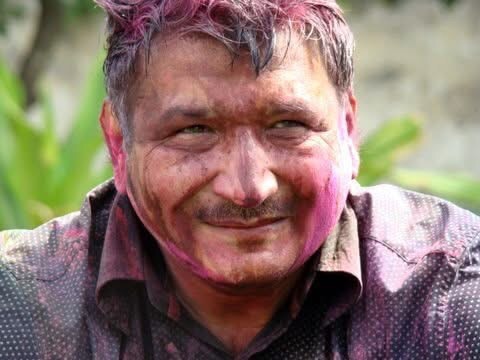
Picture this: a towering figure, built like a heavyweight wrestler who’d wandered into the wrong ring—broad shoulders, a chest like a barrel, and arms so thick they could eclipse the sun. But atop it all sat a head so disarmingly small and boyish, it made you do a double-take. “Hemendra bhaiya,” his classmates would chuckle, “you’re proof that God ran out of proportions halfway through sculpting you!”

Hemendra wasn’t just big; he was a force of nature. A natural sportsman from the word go, he dominated every field he touched. From the cricket pitch, where he and his class mate Dr. P.K. Gupta (that’s me, the one always fumbling catches) formed an unbeatable opening pair, to the cycling tracks and grueling marathons—he was a winner. “Come on, PK, pick up the pace!” he’d bellow during our endless laps around the college grounds, his laughter booming like thunder. We’d collapse at the finish line, gasping, while he’d barely break a sweat, slapping our backs with hands that felt like sandpaper vices. Those hands—oh, the legend of them! Thick as tree trunks, fingers like sausages forged in some ancient blacksmith’s fire. If you dared shake one, your own palm would stretch wide, bones creaking in protest, and you’d wince for hours. “Easy there, doc,” I’d joke, rubbing my throbbing knuckles. “Save that grip for the scalpel, not my dignity!”
Adding to the Biography: The Thick-Fingered Dilemma
Amid the relentless grind of medical school at S.N. Medical College, Agra, young Hemendra Chaturvedi faced a crossroads that blended anatomy with absurdity. His fingers, those legendary behemoths—thick as cigars and sturdy as oak—sparked endless banter among his peers and professors. As graduation loomed and specialization choices beckoned, the advice poured in like monsoon rain, often laced with laughter rather than lectures.
One evening in the hostel mess, over steaming plates of dal and roti, his classmate Rajesh cornered him with a grin. “Hemendra, bhai, listen up. With those monster digits of yours, surgery as a specialization after MBBS? Bad idea!” Rajesh Bhaduria wagged a finger, mimicking a dramatic warning. “Imagine a per rectal examination— the patient would yelp, ‘Doctor sahab, is that a finger or a rolling pin? My discomfort level just hit the Taj Mahal!'”
Hemendra chuckled, his small head bobbing on his massive frame, but the group piled on. “And gynecology? Strict no-no!” piped up Kanchan, the sharp-witted topper of their batch, slapping the table for emphasis. “Delivering babies with those paws? The kid might come out thinking it’s arm-wrestling time! Stick to something safe, like radiology—where you can just stare at X-rays from a distance.”
Undeterred, Hemendra leaned back, his chair creaking under his wrestler-like build, and fired back with his trademark wit. “Arre yaar, you all underestimate me. These fingers aren’t just thick; they’re talented! Who needs delicate tools when you’ve got built-in forceps? Besides, in surgery, it’s not about the size—it’s about the surprise. Patients will leave saying, ‘That was quick… and unforgettable!'” The room erupted in laughter, the tension dissolving into the kind of camaraderie that only med students know.
In the end, Hemendra’s passion won out. He pursued his M.S. in General Surgery anyway, proving that heart and skill trump hand size every time. This lighthearted ribbing didn’t deter him; if anything, it humanized the giant among them, turning potential insecurities into stories that still bring smiles decades later. It’s a reminder that even the mightiest healers start with a dose of humility—and a good joke.

But beneath the brute strength and easy grins lay a man with a heart as vast as his build. Hemendra hailed from a family of healers—his cousin, the esteemed Dr. Piyush Chaturvedi, a psychiatrist in Lucknow, was the thoughtful yin to Hemendra’s yang. While Piyush delved into the labyrinths of the mind, Hemendra tackled the body’s battlefields. They’d swap stories over family chai sessions, Piyush teasing, “Bhai, with your paws, how do you even hold a stethoscope without crushing it?” Hemendra would roar back, “Better than you, Piyush— at least my patients don’t run screaming from a consultation!”
Medical school wasn’t all triumphs, though. Fast-forward to Hemendra’s first brush with the OR in the early ’80s. The room buzzed with fluorescent lights and the sharp tang of iodine. As the surgeon sliced into the patient, a routine appendectomy, our gentle giant—standing there in his crisp white coat, all six-foot-something of him—locked eyes on the glistening cavity. His face drained of color faster than you’d pour chai. “Steady, Hemendra,” the professor murmured, but it was too late. Legs buckled like a felled oak, and down he went in a classic vasovagal faint, crashing to the tiles with a thud that echoed through the ward. We rushed over, half-laughing, half-panicked. “First surgery, eh?” I said, helping him up as he blinked sheepishly. “Doc, if you faint at this, imagine delivering babies!” He dusted himself off, that small head shaking with mirth. “PK, one day I’ll be the one wielding the knife—and you lot will be the ones fainting.”
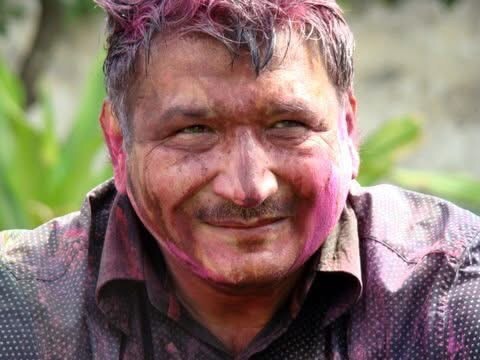
He powered through, of course. Ten years of grit later, in 1989, Hemendra emerged triumphant with his MS in General Surgery, his name etched in the college annals. But those legendary fingers? They became the stuff of locker-room lore. In anatomy labs and clinical rotations, we’d rib him mercilessly. “Hemendra, with mitts like those, a per rectal exam would be a catastrophe!” I’d quip, dodging his playful swat. “Patients would sue for emotional trauma—’Doctor, I saw stars… and my dignity flew out the window!'” He’d feign outrage, then dissolve into belly laughs. “Better a catastrophe than a bore, my friend. Precision comes from the heart, not the hand.”
Post-graduation called him to higher skies—literally. Drawn by the discipline and adventure, Hemendra donned the uniform of the Indian Air Force as a surgeon, serving with the precision of a pilot and the compassion of a healer. Stationed across bases from the Thar deserts to Himalayan outposts, he mended airmen battered by G-forces and emergencies alike. “Flying’s not so different from surgery,” he’d tell us during rare leaves, eyes twinkling over a plate of aloo parathas. “One wrong move, and it’s all turbulence. But get it right? You soar.” Decades blurred into a blur of tours, trainings, and triumphs—saving lives under the roar of MiGs, his massive frame a reassuring anchor in the chaos.
Retirement came quietly, as it does for warriors who’ve given their all. Now settled back in the heartlands near Agra and Lucknow, Hemendra savors the simpler rhythms: morning walks that still outpace marathoners half his age, family dinners where Piyush analyzes everyone’s “inner demons” over dessert, and mentoring young docs with tales from the cockpit-OT. But life’s script took a somber turn a few years back—prostate cancer, that stealthy foe, announced itself. The diagnosis hit like a rogue headwind, but true to form, Hemendra met it head-on. “It’s just another mission, PK,” he texted me from his hospital bed, voice steady as ever during our call. “The docs say it’s contained—treatments are working, and I’m not done winning races yet.” Struggling, yes, with the aches and appointments, but all right—defiant, humorous, unbreakable. His wife’s quiet strength, Piyush’s late-night pep talks (“Bhai, even Freud couldn’t psyche this out—fight it your way!”), and a legion of grateful patients keep his spirits sky-high.

Dr. Hemendra Chaturvedi isn’t just a surgeon or a sportsman; he’s the guy who’d faint at blood, then rise to stitch nations’ heroes. A man whose handshake could humble Hercules, but whose touch healed thousands. In a world of fragile egos and fleeting victories, he’s the gentle giant reminding us: life’s battles are won not with size, but with soul. And damn, what a soul he has.
The Legend of “Chu Chu”: Dr. Hemendra Chaturvedi’s Larger-Than-Life Tale
In the sunbaked sprawl of S.N. Medical College, Agra, where the scent of iodine mingled with the sweat of ambition, Dr. Hemendra Chaturvedi—known to all as “Chu Chu” for reasons lost to hostel folklore—strode like a colossus. Selected in 1979, he was a mountain of a man, a wrestler’s body crowned with a comically small head, as if God had decided to play a prank mid-creation. His hands? Thick as iron mallets, fingers like gnarled oak branches. Shaking hands with Chu Chu was a rite of passage; your palm would stretch to its limits, aching for mercy. “PK, you call that a grip?” he’d tease me, Dr. P.K. Gupta, his cricket teammate and partner-in-crime, as I massaged my bruised knuckles. “Next time, bring a cricket bat to protect yourself!”

Chu Chu wasn’t just a physical marvel; he was a born sportsman, a whirlwind on every field. Cricket was his kingdom, where he captained our college team with the authority of a general and the heart of a prankster. I’ll never forget the match against a rival team in ’81. I was bowling, feeling cocky, and sent a vicious bouncer that smashed the batsman’s nose—crack! Blood everywhere, the poor guy, the captain of 1981 batch called Anang Upadhyaya, now surgeon, crumpled. Chu Chu, all six-foot-something of him, sprinted over, not to scold but to act. “Enough carnage, PK!” he roared, snatching the ball from my hand with a grin. “No more breaking faces today. Let’s win this properly.” No injuries on his watch, not if he could help it. That was Chu Chu—fierce but fair, a leader who’d rather mend than maim.
His athletic prowess was unmatched. From cycling sprints to marathons, he left us panting in his dust. “Keep up, PK!” he’d holler during our grueling runs, his massive frame somehow gliding while I wheezed behind. Off the field, he was no less a force, bonded by blood to Dr. Piyush Chaturvedi, the cerebral psychiatrist from Lucknow. Over family dinners, Piyush would rib him: “Hemendra, with those paws, how do you not crush your patients?” Chu Chu’s laugh would shake the walls. “Precision, bhai! It’s all in the soul, not the size.”
Med school wasn’t all smooth sailing, though. His first surgery was a spectacle—Chu Chu, the unshakeable giant, took one look at the open abdomen, blood glistening under OR lights, and his knees buckled. Down he went, a vasovagal faint that rattled the tiles. “First cut’s always a shock, eh, Chu Chu?” I teased as we propped him up. He flashed that sheepish grin, small head bobbing. “PK, next time I’ll be the one slicing, and you’ll be the one on the floor!” By 1989, he’d conquered his nerves, earning his MS in General Surgery with the same grit that made him a sports legend.
His compassion shone brightest in chaos. In ’87, when Dr. Veer Bahadur Singh “Dhaka” infamously punched Professor Malviya on the lecture dais, shattering his spectacles and campus peace, Chu Chu was the first to act. While the rest of us gawked, he charged to the dais, his massive arms gently lifting the shaken professor. “Sir, you’re all right,” he said, voice steady as he adjusted Malviya’s broken glasses. No hesitation, no judgment—just Chu Chu being Chu Chu, a hulk with a heart. That moment stuck with me, a testament to a man who, despite his size, was never a bully, always a protector.
His hands, oh, those hands! We’d joke endlessly about them. “Chu Chu, a per rectal exam by you would send patients to the moon!” I’d quip, dodging his mock swat. “PK, my fingers save lives, not ruin them!” he’d retort, laughing so hard the hostel walls seemed to shake. Those same hands served with honor in the Indian Air Force, where he joined as a surgeon post-graduation. From desert bases to Himalayan outposts, Chu Chu stitched up airmen with the precision of a tailor and the calm of a monk, his presence a balm in crisis. “Surgery’s like a dogfight,” he’d say over chai during rare leaves. “One wrong move, you crash. Get it right, you fly.”

Now retired, Chu Chu’s settled near Agra, his days filled with morning walks that outpace men half his age and storytelling sessions with Piyush, who still tries to psychoanalyze his cousin’s endless optimism. Prostate cancer threw a curveball a few years back, a battle that slowed even this titan. “It’s just another bouncer, PK,” he told me over a crackly phone call, his voice defiant despite the chemo. “I’ve faced worse on the pitch.” He’s fighting, all right, with treatments working and his spirit soaring, cheered on by his wife, Piyush, and a legion of patients who owe their lives to those massive, gentle hands.
Chu Chu—Dr. Hemendra Chaturvedi—wasn’t just a surgeon or a sportsman. He was the guy who’d faint at blood, then rise to save lives; who’d stop a cricket ball to save a nose, and lift a fallen professor with the same care he’d give a wounded soldier. In a world of fleeting heroes, Chu Chu’s the real deal—a cheerful giant whose laughter still echoes in our hearts, proving size is nothing without soul.
Dr. Hemendra Chaturvedi is a distinguished general surgeon based in Agra, Uttar Pradesh, India. He holds a Master of Surgery (M.S.) degree in General Surgery and serves as a consultant surgeon, specializing in a wide range of surgical procedures, including routine and complex general surgeries. His practice emphasizes patient-centered care within the framework of a family-run medical complex that has become a cornerstone of healthcare in the region.
Early Life and Education
While specific details on Dr. Chaturvedi’s early life and birthplace are not widely documented in public sources, he completed his M.S. in General Surgery from a recognized institution in India, likely affiliated with a medical college in Uttar Pradesh given his longstanding ties to Agra. His medical training reflects the rigorous standards of Indian surgical education, preparing him for a career focused on practical, hands-on surgical expertise.

Professional Career
Dr. Chaturvedi has built his professional life around the Prof. Champaram Chaturvedi Medical Complex, located at Delhi Gate, Agra (address: 1/187 or 1/188, Delhi Gate, Civil Lines, Agra, Uttar Pradesh 282002). This facility appears to be a family legacy, named after his father or a prominent relative, Prof. Champaram Chaturvedi, and houses multiple specialists from the Chaturvedi family. As a consultant, Dr. Chaturvedi handles general surgical cases, including abdominal surgeries, hernia repairs, appendectomies, and other common procedures. His role extends beyond clinical practice to contributing to the complex’s reputation as a multi-specialty center offering accessible healthcare to the local community in Agra.

He has been in active practice for several decades, though exact years of experience are not specified in available records. The medical complex is part of a broader network of Chaturvedi family practitioners in Agra, including relatives like Dr. Nikhil Chaturvedi (a pediatrician and general physician with over 39 years of experience, MBBS from Agra University, 1986) and others in fields such as gynecology and orthopedics. This familial collaboration underscores a commitment to comprehensive care in one location.
Contributions and Legacy
Dr. Chaturvedi’s work at the Prof. Champaram Chaturvedi Medical Complex has made it a go-to facility for surgical consultations in Agra’s Delhi Gate area, serving patients from surrounding districts. The center is noted for its role in general and specialized medicine, reflecting the Chaturvedi family’s deep roots in Agra’s healthcare ecosystem. Listings in professional directories highlight his specialization without noting any academic or administrative roles outside his consultancy, suggesting a focus on direct patient impact rather than institutional leadership.
No major publications, awards, or international affiliations are prominently recorded, but his sustained presence in local medical directories indicates a respected, community-oriented career. The complex’s location near key landmarks like B.M. Khan Hospital positions it as an integral part of Agra’s medical infrastructure.
Personal Life
Limited public information is available on Dr. Chaturvedi’s personal life. As part of a prominent medical family in Agra, he likely maintains a low-profile existence centered on his practice. He continues to serve patients at the Delhi Gate address, where appointments can be sought through local directories or direct contact.
For the most current details, such as consultation availability, it is recommended to reach out to the Prof. Champaram Chaturvedi Medical Complex via local listings or visit in person. Dr. Chaturvedi’s dedication to general surgery exemplifies the vital role of local specialists in underserved urban areas like Agra.


 deemagclinic
 deemag and chest clinic