
It was a crisp September morning in 1979, the kind where the air in Uttar Pradesh buzzed with anticipation and the faint scent of monsoon rain still lingered. The results for the Combined Pre-Medical Test (CPMT) had just been announced, and a group of us aspiring doctors huddled around the notice board at the exam center, hearts pounding like drums. I remember it vividly—me, Dr. PK Gupta, standing there with my batchmates, scanning the list with bated breath.
“Look, there it is!” I exclaimed, pointing excitedly. “Geeta Dabar for Lucknow! And Harish Kohli too. Agra for us—me, Prabhakar Bahukhandi, Alka Rana, Tulsi, Jyotsna. SK Gupta for Jhansi, Rajesh Tiwari for Meerut.”
Geeta, with her poised demeanor even back then, turned to me with a clipped smile— that refined accent of hers, honed from years at the Convent and Jesus and Mary School, making her sound like she stepped out of a British novel. “PK, we’ve made it,” she said calmly, though her eyes sparkled with quiet triumph. “Lucknow’s King George’s Medical College awaits. Imagine the possibilities.”
Those were simpler times; each city boasted just one medical college, a gateway to a world of healing that felt both daunting and exhilarating. Geeta came from a prominent political family in Dehradun—her brother, Vishwas Dabar, was already making waves as a politician, carrying the weight of influence and expectation. Born to industrialist parents in the picturesque valleys of Uttarakhand, she grew up amidst the Doon Valley’s elite circles, where education was non-negotiable. “Discipline and grace,” she’d often say in our later conversations, “that’s what the convent drilled into me. No wonder I speak like this—short, sharp, to the point!”

Geeta dove headfirst into her MBBS at KGMC Lucknow, excelling with the same quiet determination that marked her entrance exam success. She followed it up with an MD in Pediatrics, drawn to the vulnerability of children and the profound impact a doctor could have on their futures. “Children aren’t just patients,” she once confided over a cup of chai during a reunion, “they’re the heartbeat of tomorrow. We owe them everything.”
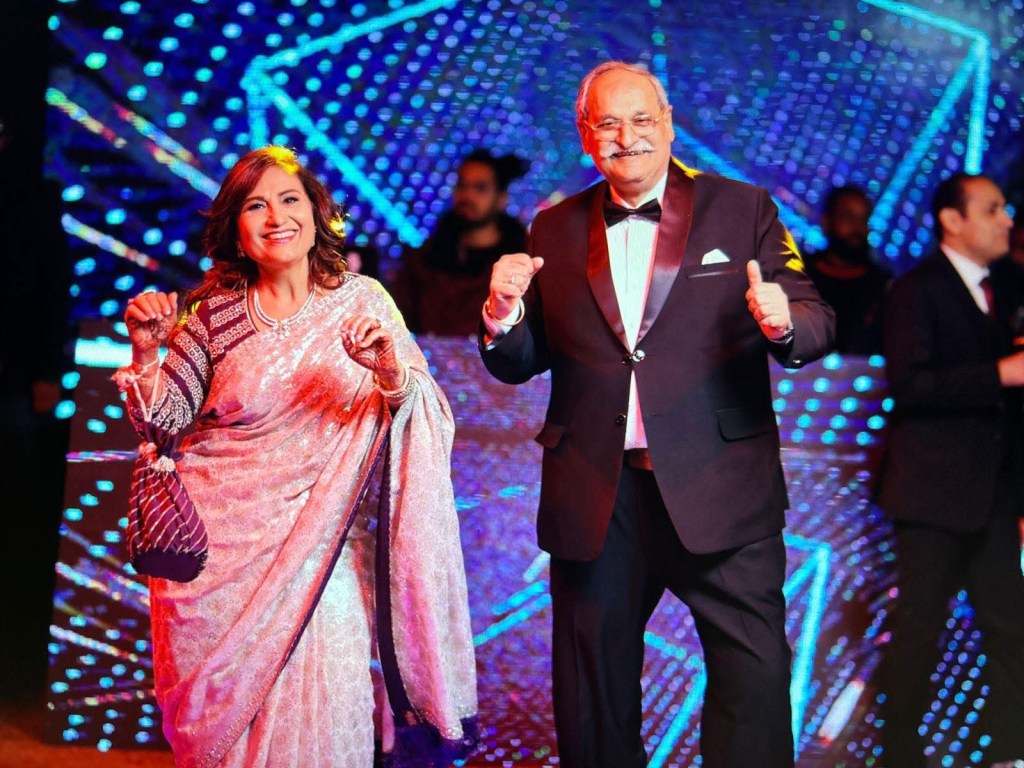
Life took a romantic turn when she married Vijay Khanna, a sharp-witted advocate and the younger brother of Dr. Ajay Khanna. Settling back in Dehradun, Geeta joined SK Memorial Hospital, where her expertise in child health quickly shone. But ambition called louder. “Why settle for someone else’s vision?” she told me years later, with that signature clipped tone. She left to establish her own Krishna Nursing Home—now Krishna Medical Centre—a haven for pediatric care that she built from the ground up. Today, it’s thriving under the stewardship of her son, a testament to her legacy of nurturing not just patients, but families too.

Geeta’s journey didn’t stop at clinical practice. Her passion for child welfare propelled her into public service. In 2018, she was appointed Chairperson of the Uttarakhand State Commission for Protection of Child Rights, a role she embraced with unwavering justice. 9 “It’s not about power,” she remarked during a panel discussion I attended, “it’s about protection. Every child deserves a voice, and I’ll ensure they have one.” Under her leadership, the commission tackled issues from adolescent health to rights activism, earning her accolades as a tireless advocate. She’s also the founder of Samarpan Society, channeling her energies into community health initiatives.

As her compatriot and old friend, I’ve watched Geeta evolve from that wide-eyed medical student into a beacon of resilience and compassion. At 60-something now, with her Instagram (@drgeetakhannauk) buzzing with motivational posts on child rights and her X handle (@DrGeetaKhanna) sharing insights on pediatrics, she remains as vibrant as ever. 12 “Life’s a marathon, PK,” she laughed during our last catch-up. “And I’m still running strong.” Dr. Geeta Dabar Khanna isn’t just a doctor or activist—she’s a force, humanizing medicine one child at a time.
Dr. Geeta Khanna: Overview
Dr. Geeta Khanna is a prominent pediatrician, women’s and child rights activist, and social worker based in Dehradun, Uttarakhand, India. She holds an MBBS from King George’s Medical College (KGMC), Lucknow, and has over two decades of experience in healthcare and advocacy. Appointed as the Chairperson of the Uttarakhand State Commission for Protection of Child Rights (SCPCR) in January 2022, she has focused her efforts on holistic child welfare, emphasizing prevention of abuse, education, health, and creating enabling environments for children’s development. Her work extends beyond her official role through her involvement with the Samarpan Shelter, a home she founded for rescued and vulnerable children.
Key Child Rights Initiatives Led by Dr. Khanna
1. Leadership at Uttarakhand State Commission for Protection of Child Rights (SCPCR)
- As Chairperson, Dr. Khanna prioritizes proactive welfare over mere regulatory enforcement, aiming to foster environments that protect children’s self-esteem and prevent abuse. She advocates for holistic measures addressing parental exploitation, counseling limitations, and systemic changes for underprivileged families (e.g., supporting working parents in low-income households).
- Collaborative Efforts: In October 2023, she met with the Chairperson of the Uttarakhand Scheduled Caste Commission to enhance education, health services (including vaccinations), and career opportunities for scheduled caste children, agreeing on joint implementation of welfare schemes.
- Awareness and Sensitization Workshops: Organized district- and block-level workshops, such as a three-day program in Uttarkashi in May 2023, sensitizing officials, teachers, parents, and Panchayat representatives on child rights issues. These sessions highlight the need for greater sensitivity across stakeholders to improve welfare efforts.
- Anti-Trafficking Campaign: In August 2023, she launched “Freedom from Child Trafficking 3.0,” a month-long awareness drive in partnership with the National Commission for Protection of Child Rights (NCPCR), aimed at eradicating child trafficking nationwide.
2. Inspections and Interventions for Child Safety
- Conducted on-site inspections, such as at a Dehradun school in February 2023, investigating complaints of child safety violations, anti-national activities, and inadequate facilities. She coordinated with departments like Education, MDDA, PWD, and the District Magistrate to enforce compliance and protect student rights.
- In another instance, the SCPCR under her leadership recommended actions against a private school in Dehradun for falsifying student registrations for CBSE exams, ensuring accountability in educational institutions.
3. Foundational Work with Samarpan Shelter
- Founded Samarpan Shelter, a Dehradun-based facility that rescues children from labor exploitation and runaway situations. During the COVID-19 pandemic, it provided essential healthcare, counseling, and rehabilitation, focusing on long-term reintegration rather than temporary fixes. This initiative aligns with her broader vision of addressing root causes like family poverty and lack of support systems.
4. Broader Advocacy and Engagements
- Policy Contributions: Scripted the national Rashtriya Kishor Swasthya Karyakram (RKSK) program for adolescent health under the Government of India, integrating child rights into public health frameworks. She also supports one-stop centers, disaster management training, the 181 National Women Helpline, Panchayati Raj institutions, and urban PHCs.
- High-Level Interactions: Paid courtesy calls to Uttarakhand’s Governor in February 2022 and January 2024, discussing multi-stakeholder roles (government, NGOs, volunteers) in child protection. She emphasizes societal involvement to build a “good environment” for children as the “capital of the future.”
- Ongoing Guidance: Continues to mentor the Samarpan team while chairing SCPCR, promoting a “nation-first” ethos in child welfare, as seen in her 2024 engagements with national teams for health yatras.
Dr. Khanna’s initiatives underscore a child-centric approach, blending medical expertise with activism to address vulnerabilities holistically. For the latest updates, her LinkedIn profile or the official SCPCR Uttarakhand website are valuable resources.
Dr. Geeta Khanna and Samarpan Society
Dr. Geeta Khanna is a prominent pediatrician, women’s and child rights activist, and social entrepreneur based in Dehradun, Uttarakhand, India. She is best known as the founder and leader of Samarpan Society, a leading non-profit organization (NGO) dedicated to empowering women, children, and underprivileged communities through health, education, and skill-building initiatives.
Background and Professional Journey
- Education and Early Career: Born to industrialist parents in Dehradun, Dr. Khanna completed her schooling there and pursued her medical degree (MBBS and MD in Pediatrics) from King George’s Medical College (KGMC) in Lucknow. She began her career as a practicing pediatrician with a focus on child health, public health, and adolescent issues.
- Inspiration: Her commitment to social causes was influenced by her late father, Mr. T.C. Dawar, who founded Samarpan after retiring from business. Her mother, Mrs. Krishna Dawar, instilled in her a deep sense of compassion.
Role in Samarpan Society
- Founding and Leadership: Dr. Khanna founded Samarpan Society over two decades ago, initially as a healthcare initiative to address gaps in child and maternal health. Today, she serves as its President, guiding its expansion into a multifaceted NGO.
- Mission and Focus Areas: Samarpan’s vision is to foster equity in resource distribution, ensuring health, education, and opportunities for all—especially the marginalized. Key programs include:
- Health Services: Free health check-ups, child care, adolescent health programs (including scripting India’s national Rashtriya Kishor Swasthya Karyakram or RKSK), and COVID-19 response efforts like shelter homes for children of affected parents or those rescued from child labor.
- Women Empowerment: Training for disaster management, operation of the 181 National Women Helpline, One-Stop Centres for survivors of violence, and skill development workshops.
- Education and Community Building: Free education for underprivileged children, capacity building in Panchayati Raj institutions, and urban Primary Health Centres (PHCs).
- Impact: Samarpan has touched thousands of lives, providing shelter, vocational training, and awareness campaigns. During the pandemic, it ran Samarpan Shelter for vulnerable children and supported vaccination drives.
Current Positions and Recognition
- Chairperson, Uttarakhand State Commission for Protection of Child Rights (SCPCR): Appointed in recent years, she oversees child welfare policies while continuing to lead Samarpan.
- Awards and Affiliations: Recognized for her contributions to public health and rights activism. She remains active in motivating her team and expanding outreach.
(Note: There are other medical professionals named Dr. Geeta Khanna or Dr. Gita Khanna in fields like gynecology and IVF in locations such as Lucknow and Saharanpur, but they are distinct from the Dehradun-based activist associated with Samarpan.)
For more details, visit Samarpan’s official site at samarpankmc.com or Dr. Khanna’s LinkedIn profile. If this isn’t the specific Dr. Geeta Khanna you meant, provide more context for further assistance!
Samarpan Society, led by Dr. Geeta Khanna in Dehradun, India, runs several targeted programs focusing on health, education, women’s empowerment, and community development, particularly for underprivileged communities. Below is a concise overview of specific programs based on available information:
Key Samarpan Society Programs
- Healthcare Initiatives:
- Child and Adolescent Health: Provides free health check-ups, vaccinations, and medical camps for children. Samarpan contributed to scripting India’s Rashtriya Kishor Swasthya Karyakram (RKSK), a national adolescent health program.
- Maternal and Women’s Health: Operates urban Primary Health Centres (PHCs) and conducts health awareness campaigns for women, focusing on maternal care and reproductive health.
- COVID-19 Response: Established Samarpan Shelter for children of COVID-affected parents or those rescued from child labor, providing medical care, shelter, and rehabilitation. Supported vaccination drives during the pandemic.
- Women Empowerment Programs:
- 181 National Women Helpline: Manages this helpline in Uttarakhand to provide immediate assistance to women facing violence or distress.
- One-Stop Centres (Sakhi Centres): Offers integrated support for survivors of gender-based violence, including legal aid, counseling, and medical help.
- Skill Development and Livelihood: Conducts workshops for women on vocational skills like tailoring, handicrafts, and entrepreneurship to promote financial independence.
- Disaster Management Training: Trains women to lead and respond to natural disasters, enhancing community resilience.
- Education and Child Welfare:
- Free Education for Underprivileged Children: Provides access to quality education for children from marginalized communities, including school supplies and tutoring.
- Child Rights Advocacy: Through Dr. Khanna’s role in the Uttarakhand State Commission for Protection of Child Rights (SCPCR), Samarpan supports policies and programs to protect children from abuse, trafficking, and labor.
- Community Development:
- Panchayati Raj Capacity Building: Strengthens local governance by training Panchayati Raj institutions to improve rural development and resource allocation.
- Awareness Campaigns: Runs community outreach on health, hygiene, and social issues like child marriage and gender equality.
Impact and Reach
- Samarpan has impacted thousands through its shelters, health camps, and training programs.
- Its programs emphasize equity, ensuring resources reach the most vulnerable, including women, children, and rural communities.
- Collaborates with government bodies and local stakeholders to scale initiatives.
- Samarpan Shelter: Detailed Overview
Samarpan Shelter is a dedicated shelter home initiative under the Samarpan Society, a Dehradun-based NGO led by Dr. Geeta Khanna. Established as a safe haven for vulnerable children, it aligns with the organization’s mission to protect and rehabilitate underprivileged youth, particularly those affected by crisis, exploitation, or family disruptions. While rooted in broader child welfare efforts, the shelter gained prominence during the COVID-19 pandemic for its rapid response to emerging needs. Below is a breakdown of key details based on available information.
Establishment and Background
Founder and Launch: Initiated by Dr. Geeta Khanna, a pediatrician and Chairperson of the Uttarakhand State Commission for Protection of Child Rights (SCPCR). It operates as part of Samarpan Society’s “Open Shelter Home” under the Integrated Child Protection Scheme (ICPS) guidelines of the Government of India.
Location: Based in Dehradun, Uttarakhand, serving the local and surrounding communities.
Timeline: While exact founding dates are not specified, it was actively operational by 2021, with expansions tied to pandemic response. As of 2025, it continues as an ongoing program, integrated into Samarpan’s child rights advocacy.
Purpose and Target Beneficiaries
Core Objective: To provide immediate rescue, shelter, rehabilitation, and long-term support to children in distress, ensuring their safety, health, and reintegration into society. It emphasizes holistic care to prevent exploitation and promote equity for marginalized groups.
Primary Beneficiaries:
Children rescued from child labor.
Runaway children or those abandoned by families.
Orphans or children of parents affected by illness (e.g., COVID-19 positive cases requiring isolation).
Disadvantaged and rescued minors from abuse, trafficking, or street situations.
Reach: Over 14,020 children have benefited from the Open Shelter Home initiatives to date, highlighting its scale in child protection.
Services Provided
Samarpan Shelter offers comprehensive, child-centered support, combining immediate relief with developmental programs:
Shelter and Basic Needs: Safe residential care, including food, clothing, and a nurturing environment to replace unstable home situations.
Healthcare Services: Free health check-ups, vaccinations, and medical camps led by pediatric experts. During fortnightly doctor visits and ongoing monitoring, with special focus on adolescent health (drawing from Dr. Khanna’s expertise in scripting India’s Rashtriya Kishor Swasthya Karyakram or RKSK).
Education and Skill-Building: Access to free schooling, tutoring, and vocational training to foster independence and future opportunities.
Counseling and Rehabilitation: Psychological support, family reunification efforts, and legal aid to address trauma from abuse or labor exploitation.
Outreach and Rescue: Volunteer-led monitoring and rapid response to distress calls, collaborating with local authorities for rescues.
Pandemic-Specific Enhancements: Plans for a dedicated COVID care center for mild cases, providing isolation support for children and non-medical staff training.
Impact and Key Achievements
During COVID-19 (2020–2022): Played a critical role in shielding children from parental isolation or economic fallout, rescuing street children, and conducting vaccination drives. It served as a lifeline for families hit by the crisis, with outreach volunteers ensuring no child was left without care.
Broader Outcomes: Contributes to reduced child labor and abuse rates in Dehradun through prevention and awareness. As part of SCPCR oversight, it influences state-level policies on child rights.
Statistics: Cumulative impact includes thousands of direct interventions, with the shelter model praised for its efficiency in a 2021 Times of India report on Dehradun NGOs’ pandemic efforts.
Recognition: Highlighted in media for its committed team and Dr. Khanna’s leadership, positioning Samarpan as a top NGO for child welfare in Uttarakhand.
Partnerships and Current Status (as of October 2025)
Collaborations: Works closely with the Government of India (under ICPS), Uttarakhand government bodies (e.g., SCPCR), local police for rescues, and other NGOs for resource sharing. Dr. Khanna’s role enhances ties with health and rights commissions.
Ongoing Operations: Fully active, with expansions in capacity building for disaster-resilient shelters. No major disruptions reported post-pandemic; focus has shifted to sustainable reintegration amid rising awareness of child trafficking.
Challenges and Future Plans: Addresses funding for scaling, with calls for community involvement in mild-care facilities.
For the latest updates, including volunteer opportunities or donations, visit samarpankmc.com or contact Samarpan Society directly.


 deemagclinic
 deemag and chest clinic