
In the shadow of Agra’s eternal Taj Mahal—a monument to love’s unyielding grip—Dr. Vinod Saxena has spent over three decades piecing together the splintered lives of the Yamuna’s forgotten kin. Born on August 19, 1960, into a modest Brahmin family in the labyrinthine alleys of Agra, Vinod entered the world amid the monsoon rains that same year, his cries echoing like the first cracks in parched earth. His father, a schoolteacher with ink-stained fingers and dreams deferred, often quipped over dinner, “Beta, life breaks you early—learn to set your own bones.” Little did he know how prophetic those words would prove.
Forged in the Fires of SNMC
Agra’s relentless summer heat mirrored the forge of Vinod’s youth. School was a grind of rote Sanskrit verses and stolen games of kabaddi, but medicine called like a siren’s song. By 1978, at 18, he crossed the threshold of Sarojini Naidu Medical College (SNMC), Agra’s venerable sentinel of healing, established in the British Raj’s twilight. The college’s peeling colonnades and overcrowded wards were a brutal baptism: power outages mid-surgery, cadavers shared among hordes of students, and the acrid tang of formalin clinging to his clothes like regret.
Vinod thrived in the chaos, his nimble hands dissecting not just flesh but futures. “Orthopaedics isn’t about bones, it’s about balance,” his professor, the stern Dr. Gupta, barked during a grueling viva in 1985, as Vinod defended a model of intramedullary nailing. “Show me you can make a man walk tall again, Saxena, or pack your bags.” He earned his MBBS in 1986 and MS in Orthopaedics from the University of Agra in 1989, graduating with a thesis on complex tibial fractures that drew whispers of “prodigy” from the faculty lounge. But accolades were cold comfort; Vinod craved the clinic’s raw pulse.

A Union That Shook the Foundations
Fate’s boldest stroke came in the fluorescent haze of SNMC’s orthopaedic ward in 1987. Vinod, then a harried resident, was elbow-deep in a compound fracture when she entered—Kesar Khan, a 24-year-old nursing staffer with steady hands and eyes like polished onyx. Born to a Muslim weaver’s family in Firozabad, Kesar had defied her orthodox upbringing to chase nursing at SNMC, her hijab a quiet flag of rebellion amid the ward’s white coats. She passed him the drill bit with a nod, but it was her whisper—”Doctor saab, steady now; bones remember rough hands”—that lingered.
What bloomed was no fairy tale, but a tempest. Stolen glances over autoclave steam turned to midnight walks along the Yamuna’s fog-shrouded banks, where Vinod confessed his fears of family backlash, and Kesar shared tales of her brothers’ iron-fisted “izzat” (honor). “Vinod ji, our worlds are like femur and fibula—meant to stride together, but society insists on separation,” she said one dusk, her voice a melody laced with defiance. He pulled her close, the river’s murmur their only witness. “Then we’ll be the fracture they can’t set.”
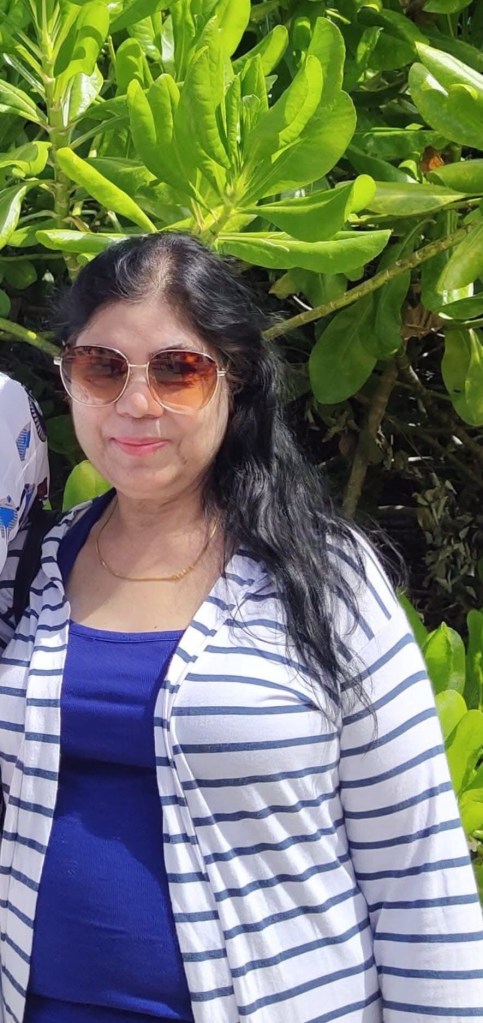
The wedding in 1990 was a battlefield disguised as bliss. Vinod’s parents, steeped in Vedic traditions, wailed of “dharma’s betrayal,” while Kesar’s family thundered fatwas and threats of disownment. Agra’s rumor mill churned: Hindu doctor weds Muslim nurse—scandal or sin? Village elders mediated in sweat-soaked havelis, quoting Ghalib’s verses on love’s folly. It was Kesar’s quiet steel that tipped the scales. At a tense family summit, she knelt before Vinod’s mother, pressing a Quran into her hands. “Ma ji, this book teaches mercy; let it mend what words have broken.” Tears fell, barriers cracked, and vows were exchanged in a hybrid ceremony—sindoor alongside surahs, garlands twined with attar-scented roses.
Society’s shadow loomed long. Neighbors crossed streets, colleagues smirked in corridors. “Arre, Saxena, your scalpel’s sharp, but your choices? Dull as a rusty pin,” a senior surgeon jibed over chai. Vinod fired back, “Sir, I’ve set bones across castes and creeds—why not hearts?” Kesar, ever the pillar, shielded their home with fierce grace, her nursing shifts funding their first clinic while whispers faded to wary respect. “Difficult? Hai, it was a storm,” Vinod reflects today, his voice gravelly from years of commands in ORs. “But Kesar ji? She’s the graft that made us whole.”
Healer of Hathras and Beyond
By 1990, the couple planted roots in Hathras, 50 kilometers from Agra’s marble dreams, at Agra Hospital on the dusty Agra Road. Vinod’s practice exploded: farmers with tractor-crushed limbs, weavers bowed by looms, children mangled in Diwali firecrackers. His mantra? “No fracture too humble.” He introduced arthroscopic wonders to rural Uttar Pradesh when Delhi’s elite still hoarded them, charging pittance or nothing for the indigent. Free camps in drought-hit villages mended more than marrow—they wove interfaith threads, with Kesar triaging queues under a shared shamiana.
The 1992 Babri Masjid demolition tested their union’s forge. As Agra-Hathras seethed with retaliatory fires, Vinod’s clinic became a neutral ground zero: Hindus with stab wounds, Muslims with baton bruises. “Papa, why treat that man? He burned our masjid,” a patient’s son spat one riot-torn night. Vinod, suturing the very rioter’s gash, met his gaze. “Beta, hate fractures the soul first. This needle? It’s my Quran and your Gita—both say heal.” Kesar, bandaging the boy’s fevered brow nearby, added softly, “And love? That’s the cast we all wear.”
Sons of the Scalpel: A Legacy Doubled
Miracles arrived in 1993 and 1996: Aryan and Vihaan, two boys who bridged worlds with their cries. Aryan, the elder, shadowed his father from toddling age, filching X-rays as toys. “Papa, when I grow up, I’ll fix what you can’t—joints that dance,” he’d declare, aping Vinod’s gait. Vihaan, the imp, once “operated” on the family dog with a butter knife, earning Kesar’s fond scold: “Arre, mera surgeon banega, lekin pehle MBBS padh lo!”
Prophecy fulfilled: Both pursued orthopaedics like holy grail. Aryan clinched his MS from AIIMS Delhi in 2018, specializing in spine surgeries; Vihaan followed from PGIMER Chandigarh in 2021, mastering trauma reconstructions. Now, they flank their father in Hathras, their clinics a triad of titanium plates and tendon repairs. Family dinners brim with shop talk: “Papa, your old-school pinning saved that leg, but my robotics? Revolution!” Aryan teases over Kesar’s sheer khurma. Vinod chuckles, “Revolution starts with one steady hand—yours, beta. Just like your mother’s, holding the fort.”
Echoes from the OR at 65
On September 19, 2025—Vinod’s 65th year—the doctor rises at dawn, his clinic a shrine of surrendered crutches and scrawled thanks in Hindi, Urdu, and English. With 38 years etched in calluses, he’s semi-retired but unyielding, mentoring via Zoom from Hathras to Hyderabad. Kesar, 62 and silver-streaked, still nurses part-time, her laugh the ward’s balm. “Ji, society tested us, but look—two surgeons, four grandchildren, and a love that didn’t splinter,” she says, stirring evening chai as the call to prayer mingles with temple bells.
Vinod pauses at his desk, a faded wedding photo in hand. “Life’s the ultimate ortho case—twists, breaks, fusions. Kesar ji taught me: Set it with kindness, and it bears the weight of worlds.” In Hathras’ humble hum, their story endures: not marble eternal, but bone-deep, unbreakable.


 deemagclinic
 deemag and chest clinic