
In the misty foothills of Dehradun, where the Doon Valley cradles dreams and legacies, Dr. Kiran Kalra was born into a world already steeped in medicine. As the elder son of the pioneering Dr. G.R. Kalra, young Kiran grew up in the shadow of his father’s bustling clinic on Chakrata Road. “Papa, why do you talk to the machines like they’re old friends?” little Kiran would ask, peeking into the room where his father tinkered with Dehradun’s first X-ray machine at Shanti X-Ray in the 1960s. Dr. G.R. Kalra, with his angular face and brown slate spectacles, would chuckle and reply, “Because, beta, this machine is our window into the body’s secrets. It helps us heal without hurting.”
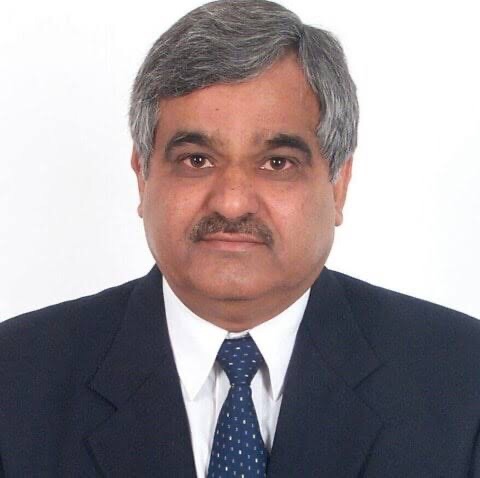
Kiran’s early years were a blend of curiosity and community. Born on 25 Th of February 1947, he attended UCNI Boy’s Inter College in Dehradun, graduating intermediate in 1965, where he balanced studies with tales from his father’s patients—stories of farmers from nearby villages and families seeking solace in a town still finding its footing post-independence. Inspired by his dad’s unwavering dedication, Kiran set his sights on medicine. “I want to make children smile, Papa, just like you make everyone feel safe,” he confided one evening over dinner. His father nodded approvingly: “If you can make a child smile, you’ve already started healing them.” 10
Venturing beyond the valley, Kiran pursued his MBBS and MD in Pediatrics at King George’s Medical College in Lucknow, from 1965 to 1977. Those years were a whirlwind of late-night studies, dissections, and the thrill of diagnosing his first case of newborn jaundice. “This isn’t just science,” he’d tell his classmates during heated discussions in the dorms, “it’s about holding a tiny life in your hands and giving it a fighting chance.” Armed with his degrees, including a DCH and FIAMS in Pediatrics, Kiran briefly chased opportunities abroad, moving to the UK in the late 1970s. But Dehradun called him home. His father, sensing the pull, phoned him one rainy afternoon: “You’re needed here, Kiran. This city is your home, and these people are your family.” Kiran teased back, “You went abroad yourself, Papa, and yet you gave me such a hard time!” But he returned, ready to build on the family legacy. 0
Back in Dehradun, Kiran joined his father’s practice at Kalra’s Medical Centre on 43 Chakrata Road, opposite Chukuwala near Hanuman Mandir. What started as a general diagnostic hub transformed under his gentle touch into a sanctuary for children. Specializing in neonatal and pediatric care, he treated everything from viral fevers to respiratory infections, always with a warm smile and a reassuring word. “Beti, don’t worry, we’ll figure this out together,” he’d say to a nervous mother cradling her jaundiced newborn, echoing his father’s empathy. In the 1970s, he collaborated with fellow veterans like Dr. Hari Singh Maini and Dr. U.C. Chandna at the ONGC Clinic on Lyton Road, sharing late-night case discussions. “Remember that tricky cough in ’74?” Dr. Maini once reminisced to Kiran. “You spotted it was whooping cough before anyone else. You’re a natural, my friend.”
Dr. Kiran’s days were filled with the chaos and joy of pediatrics—calming crying toddlers, vaccinating wide-eyed infants, and mentoring younger doctors in Dehradun’s tight-knit medical community. He became a pillar, much like his father, emphasizing that “medicine isn’t just about curing; it’s about giving people a reason to keep going.” His own sons, now practicing in Race Course, Dehradun, often joke, “It’s in our blood, Dad. Grandfather set the standard, and we’re just trying to live up to it.”
In the misty foothills of Dehradun, where the Doon Valley cradles stories of quiet resilience, Dr. Kiran Kalra was born into a world already steeped in medicine. As the elder son of the pioneering Dr. G.R. Kalra, young Kiran grew up in the shadow of his father’s bustling clinic on Chakrata Road. From an early age, he watched his father tinker with Dehradun’s first X-ray machine at Shanti X-Ray back in the 1960s. “Papa, why do you talk to the machines like they’re old friends?” little Kiran would ask, wide-eyed. His father, with his angular face framed by brown slate spectacles, would chuckle and reply, “Because, beta, this machine is our window into the body’s secrets. It helps us heal without hurting.” 10
Kiran’s childhood was a blend of curiosity and community. He attended UCNI Boy’s Inter College in Dehradun, graduating intermediate in 1956, where he juggled textbooks with tales from his father’s patients—farmers from nearby villages and families navigating life in a post-independence India. One evening over a simple family dinner, Kiran declared, “I want to make children smile, Papa, just like you make everyone feel safe.” His father nodded, eyes twinkling: “If you can make a child smile, you’ve already started healing them.” 10
Inspired, Kiran left the valley for King George’s Medical College in Lucknow, earning his MBBS and MD in Pediatrics from 1965 to 1977, along with a DCH and FIAMS. Late-night dorm chats with classmates fueled his passion: “This isn’t just science,” he’d say, “it’s about holding a tiny life in your hands and giving it a fighting chance.” After a brief stint in the UK in the late 1970s, Dehradun called him home. His father phoned one rainy afternoon: “You’re needed here, Kiran. This city is your home, and these people are your family.” Kiran laughed, “You went abroad yourself, Papa, and yet you gave me such a hard time!” He returned to join the family practice at Kalra’s Medical Centre on 43 Chakrata Road, opposite Chukuwala near Hanuman Mandir, transforming it into a haven for children with specialties in neonatal care, viral fevers, and respiratory infections.
Dr. Kiran’s days were filled with the joyful chaos of pediatrics: soothing crying toddlers, vaccinating wide-eyed infants, and reassuring anxious mothers with a gentle, “Beti, don’t worry—we’ll figure this out together.” In the 1970s, he collaborated with peers like Dr. Hari Singh Maini and Dr. U.C. Chandna at the ONGC Clinic on Lyton Road. Over late-night case reviews, Dr. Maini once grinned, “Remember that tricky cough in ’74? You spotted it was whooping cough before anyone else. You’re a natural, my friend.” 10
But Dr. Kalra’s vision extended beyond stethoscopes and syringes—he was a trailblazer in embracing technology when most doctors still relied on handwritten notes and dusty textbooks. Among his peers in Dehradun, he was the first to become truly computer literate, seeing the digital world as a gateway to global knowledge that could elevate patient care. With characteristic enthusiasm, he spearheaded the installation of the city’s first computer with internet access at the IMA Bhawan on Chakrata Road, turning the Indian Medical Association’s local hub into a budding tech outpost for physicians.
Dr. PK Gupta, a fellow psychiatrist and co-practitioner in Dehradun, recalls those pioneering days with a fond shake of his head. “Kiran, you’re dragging us kicking and screaming into the future!” he’d tease as they huddled around the bulky machine during setup. Dr. Kalra would beam, adjusting his glasses: “PK, imagine this—diagnosing a rare syndrome with insights from experts in America or Europe, all without leaving our valley. This little box is going to change everything!” Back then, in an age before smartphones and Wi-Fi hotspots dotted every corner, accessing the internet felt like a grand expedition. Dr. Gupta chuckles now, remembering his treks to IMA Bhawan: “I’d pedal my bicycle all the way to Chakrata Road, muttering to myself, ‘Let’s see if the magic works today.’ More often than not, it didn’t—the connection would sputter out, or the screen would freeze. ‘Patience, my friend,’ Kiran would say, clapping me on the back. ‘Rome wasn’t built in a day, and neither is the information superhighway!’ Unfortunately, it never quite clicked for me back then, but Kiran’s foresight planted seeds that bloomed into the digital tools we all rely on now. It’s hard to fathom driving across town for a glitchy email when today it’s all in our pockets.” He had an elegant house at posh race course locality and would often invite IMA members for elaborate dinners. Most would come on self driven cars or scooters, but the focal point was Dr DD Chaudary turning up for dinner in chauffeured three wheeler in his own style.
A pillar of Dehradun’s medical community, Dr. Kiran mentored younger doctors and emphasized that “medicine isn’t just about curing; it’s about giving people a reason to keep going.” He has two sons who now practice in Race Course, Dehradun, often joking, “It’s in our blood, Dad. Grandfather set the standard, and we’re just trying to live up to it.” Today, at Kalra’s Medical Centre—also home to the Children Hospital—Dr. Kiran Kalra remains the heartbeat of countless families, blending empathy with innovation. At a local conference, he shared, “Papa always said, ‘If you can make a child smile, you’ve already started healing them.’ And that’s what I’ve tried to do every day.” In a fast-changing world, he reminds us that true healing starts with a kind word, a listening ear—and sometimes, a bold leap into the unknown. 10
Today, at Kalra’s Medical Centre—now also home to the Children Hospital—Dr. Kiran Kalra’s legacy endures. He’s not just a doctor; he’s the heartbeat of Dehradun’s families, a man who turned healing into an art form. As he once shared at a local medical conference, “Papa always said, ‘If you can make a child smile, you’ve already started healing them.’ And that’s what I’ve tried to do every day.” 6 10 In a world of rushing technology, Dr. Kiran reminds us that the best medicine often starts with a kind word and a listening ear.


 deemagclinic
 deemag and chest clinic