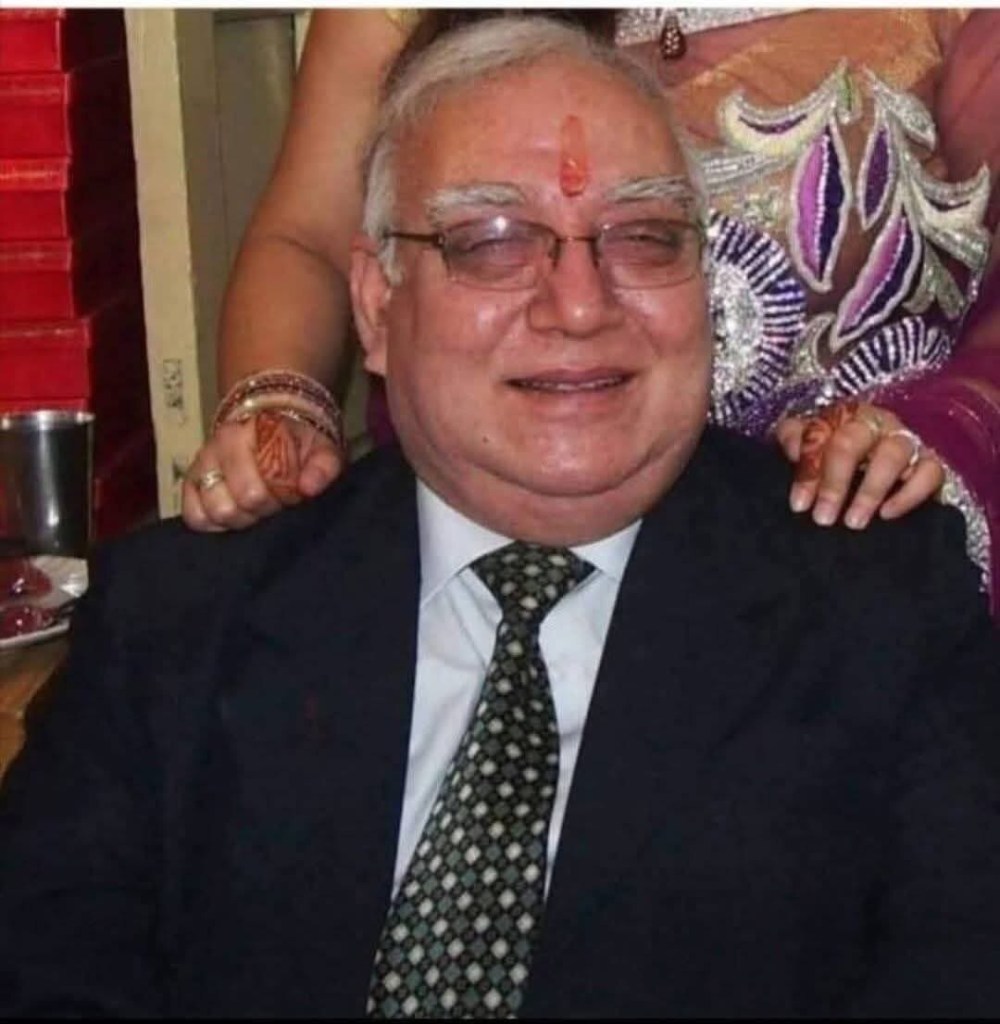
In the dusty lanes of Etah, a district tucked away in Uttar Pradesh’s vast plains, Dr. Mukesh Jain wasn’t just a doctor—he was a lifeline. Born in the mid-20th century into a modest family with deep roots in the region, Mukesh grew up witnessing the harsh realities of rural India: farmers toiling under the sun, families struggling with ailments that modern medicine could cure but poverty often couldn’t afford. ” beta, insaan ki sewa se bada koi dharm nahi,” his father, a local schoolteacher, would often say, planting the seeds of service in young Mukesh’s heart. Those words echoed through his life like a mantra.
Mukesh’s journey into medicine began in 1971 when he joined the prestigious Sarojini Naidu Medical College in Agra. The batch of ’71 was a spirited group—young dreamers navigating the rigors of MBBS amid India’s turbulent times. “We’ll change the world, one patient at a time,” Mukesh would joke with his classmates during late-night study sessions in the dimly lit hostels, his eyes sparkling with optimism. He graduated with honors, but instead of chasing lucrative opportunities in big cities like Delhi or Mumbai, he chose to return to Etah. “Yeh mera ghar hai, yahan ke log mere apne hain,” he told a skeptical friend over chai one evening. “Big hospitals have plenty of doctors; my town needs me.”
Settling in Etah in the late 1970s, Dr. Jain opened a modest clinic that soon became a sanctuary for the afflicted. He wasn’t the kind of physician who hid behind jargon or hefty fees; he was the one who sat with patients, listening to their stories as much as their symptoms. One rainy afternoon, a poor farmer named Ram Singh stumbled in, clutching his chest in agony. “Doctor sahab, paise nahi hain, par dard seh nahi paa raha,” Ram pleaded. Mukesh examined him, diagnosed a heart condition, and waved away the fee. “Pehle sehat, baad mein paise. Jaao, dawai le lo—mera hisaab upar wala rakhega,” he replied with a warm smile, handing over the prescription and even arranging free samples from his contacts. Stories like this spread like wildfire, earning him the title of Etah’s “strong pillar” in the medical world. His nursing home grew, but his principles remained unshaken: moral values, human sensitivity, and unwavering dedication.
Life, however, tested Mukesh’s resilience in ways no medical textbook could prepare him for. A few years before his own passing, tragedy struck when his beloved son died unexpectedly. The loss shattered him. “Beta chala gaya, par uski yaadein toh reh gayi,” he confided to a close friend during a quiet evening walk. To protect his remaining children from the vulnerabilities of small-town life—especially after his rising fame drew unwanted attention from local miscreants—he sent them to study in Bhopal, at their maternal grandparents’ home. “Wahan safe hain, padhai kar rahe hain,” he’d say, his voice tinged with sentiment, sharing heartfelt anecdotes about their video calls and the little gifts they’d send. “Ek baar beta ne kaha, ‘Papa, aap hero ho’—bas, woh sunke dil bhar aata hai.” Yet, he never left Etah; his attachment to his roots was unbreakable, even as whispers of threats from “badmash” elements—jealous of his influence and success—began to circulate.
Dr. Jain’s compassion extended beyond the clinic walls. He organized free health camps in remote villages, educating locals on preventive care. “Dekho, bimari aane se pehle rok lo,” he’d lecture crowds with a mix of humor and earnestness. During one such camp, a young mother approached him with her feverish child. “Doctor uncle, bachcha nahi kha raha,” she worried. Mukesh knelt down, examined the boy, and prescribed simple remedies. Turning to the child, he grinned: “Beta, dawai khao aur strong ban jao—phir hum cricket khelenge!” The boy giggled, and the mother left with hope. These moments defined him: a healer who mended not just bodies, but spirits.
But fate dealt a cruel blow. On a fateful day in 2025, news of Dr. Mukesh Jain’s sudden accidental demise rippled through Etah like a shockwave. The medical community and the district were plunged into grief. Whispers suggested foul play, tied to the shadows that had long eyed his prominence, but the official word was “accidental.” Social media buzzed with tributes, one post reading: “Bahut acche insaan the Doctor Mukesh Jain… bhavpurna shraddhanjali.” His departure left an irreparable void—a loss not just for Etah’s health sector, but for the humanity he embodied.
Dr. Jain’s legacy lives on in the lives he touched: patients who walk freely because of his care, a community inspired by his selflessness, and a family cherishing his stories. As he once said to a young intern, “Medicine isn’t about curing everything; it’s about being there when it matters.” In Etah’s medical world, he was more than a pillar—he was the foundation. May his soul find eternal peace at the feet of the divine, and may his bereaved loved ones find strength in his enduring light. ॐ शांति ॐ.


 deemagclinic
 deemag and chest clinic