
Dr. Kanchan Nigam: The Pint-Sized Powerhouse of S.N. Medical College
Dr. Kanchan Nigam, a name that still sparks chuckles and fond memories among her classmates from S.N. Medical College, Agra, was no ordinary medical student. Hailing from Ghaziabad, she stormed into the MBBS program alongside her batchmates Satish Sharma and Parveen Bansal, forming an unforgettable trio that turned heads—mostly for their quirky rickshaw rides. Picture this: two lanky lads, Satish and Parveen, perched like bookends on a cycle rickshaw, with the petite Kanchan squeezed in the middle, her fiery spirit outshining her small frame. “It was like watching two battered overloaded trucks escorting a gleaming blue scooter,” her classmate recalls with a grin. “Kanchan was the scooter—small, zippy, and impossible to ignore!”.
Kanchan was a tomboy through and through, defying the norms of the time. While most girls in the early days of medical college might have shied away from sharing a rickshaw with boys, Kanchan didn’t care for such conventions. “Move over, Satish, you’re hogging the seat!” she’d quip, elbowing her way to the center of the rickshaw, her infectious laughter bouncing through the streets of Agra. Her energy was boundless, her wit razor-sharp, and her heart generous to a fault. Once, when a classmate fumbled for change after a rickshaw ride, Kanchan was already thrusting coins at the driver. “Keep up, slowpoke!” she teased, her eyes twinkling with mischief. “I’m not waiting for you to count pennies!”
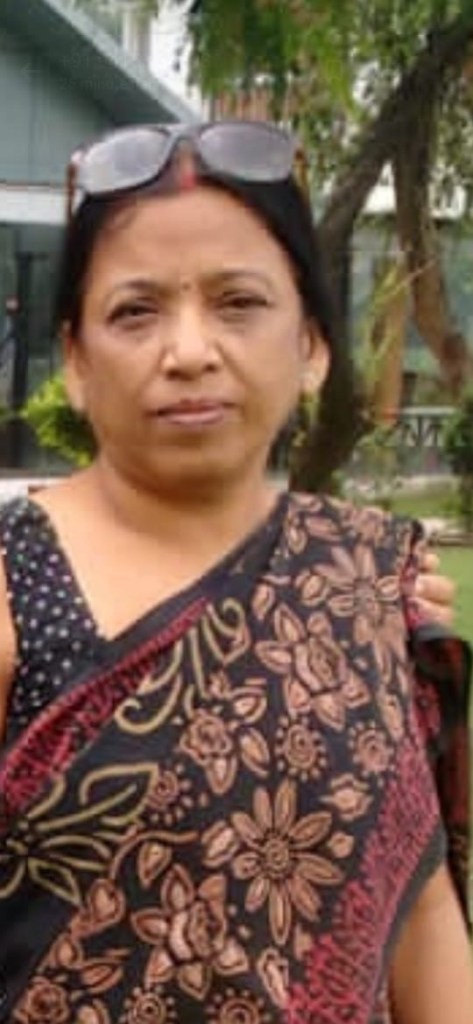
At S.N. Medical College, Kanchan wasn’t just a whirlwind of personality; she was a dedicated student who tackled her MBBS and postgraduate studies with the same gusto she brought to everything else. Selected from Ghaziabad, she carried the weight of expectations lightly, her confidence and quick thinking earning her respect among peers and professors alike. “Kanchan could dissect a textbook as fast as she could roast you in a debate,” Satish once said, shaking his head in mock defeat. Her tomboyish charm didn’t overshadow her brilliance—she was a force in the lecture halls, her hand shooting up with answers before others could blink.
Beyond the classrooms and rickshaw adventures, Kanchan’s story is one of breaking molds. She wasn’t just the “frail-looking smallish” girl; she was a packet of dynamite, proving that size doesn’t dictate strength or spirit. Her days at S.N. Medical College, filled with laughter, late-night study sessions, and those iconic rickshaw rides, left an indelible mark on her classmates. “Kanchan didn’t just live those years—she owned them,” Parveen recalls, a nostalgic smile creeping in. “She’d probably still outrun us to pay the rickshaw fare today!”
Dr. Kanchan Nigam’s journey from the bustling streets of Agra to her career as a doctor is a testament to her vibrant personality and unyielding drive. Her legacy? A reminder that the smallest packages can carry the biggest sparks.
Dr. Kanchan Nigam: The Vibrant Heart of Medicine and Reunions
Dr. Kanchan Nigam’s journey is a whirlwind of energy and flair, from her early days in medicine to her vibrant presence in Dehradun. After earning her Diploma in Child Health, she carved a niche in the Provincial Medical Services in Lucknow, her small frame buzzing with determination. Her path then led her to AIIMS Rishikesh, where she served in Pediatrics from 2018 to 2019, before settling into a fulfilling role at Graphic Era Institute of Medical Sciences alongside her husband, Brigadier Sudhir Saxena. The distinguished radiologist, with his balding head and commanding presence, often quipped, “Kanchan, you’re the spark—I’m just the steady hand!” Together, they’ve built a life in Gajendra Vihar, Dehradun, blending professional grit with a love for the lavish.
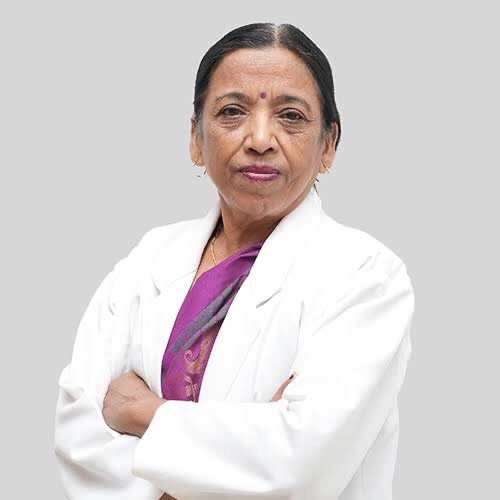
Kanchan’s quirks shine through in her taste for luxury—a gleaming blue Mercedes sits proudly in her driveway, a testament to her flair. “Why settle for simple when you can glide in style?” she’d laugh, tossing her keys with a wink.

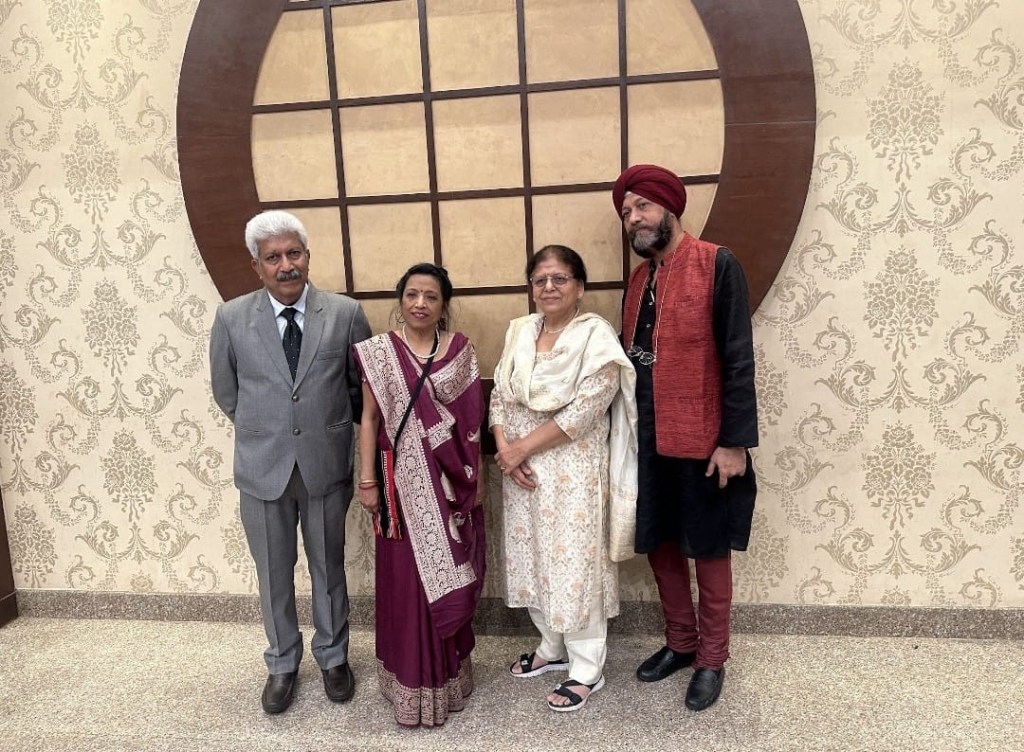
Her true brilliance shone during the reunion she orchestrated with Sudhir, a spectacle of fervor and fun. “Let’s make it unforgettable!” she declared, setting a dress code that turned heads. The organizers—girls draped in vibrant silk sarees and boys squeezed into Pahari kurtas, pyjamas, and topis—looked like a quirky parade. “You all look like waiters at a hill station banquet!” Sudhir teased, while Kanchan clapped, delighted. She loved being the center of attention, masterminding programs where she’d inevitably shine—leading dances or delivering toasts with a flourish. “Eyes on me, everyone!” she’d call out, her laughter ringing through the crowd, ensuring no one could look away.

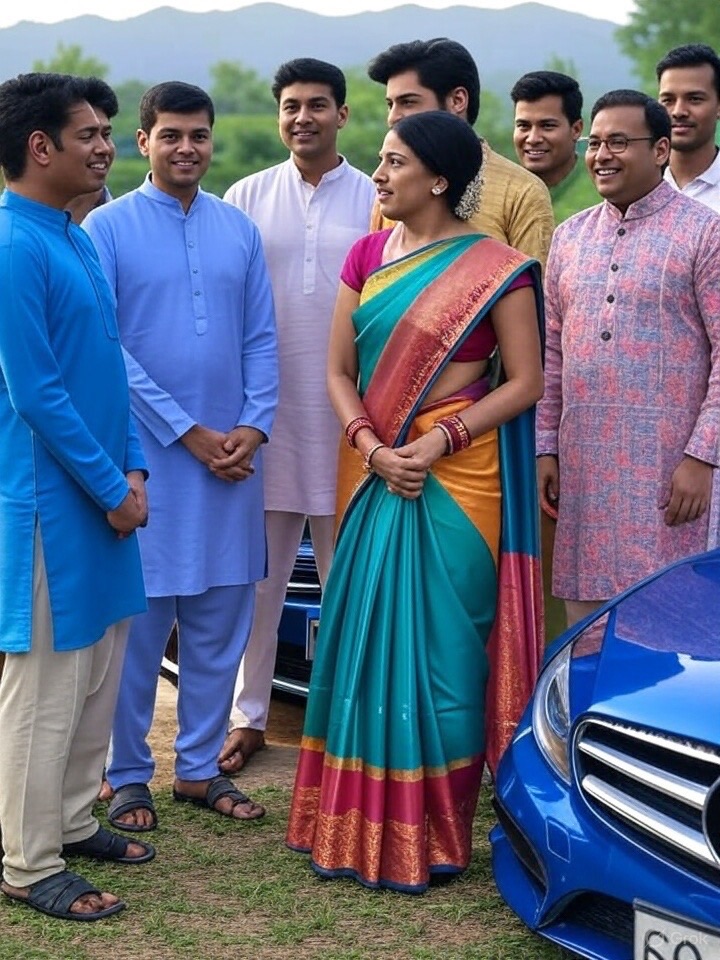
Dr. Kanchan Nigam’s life is a blend of medical dedication and unapologetic zest, from rickshaw rides in Agra to Mercedes drives in Dehradun, always leaving a trail of stories and smiles.
Dr. Kanchan Nigam’s life reads like a novel Jo March might have penned, a tale of a spirited woman whose fire and heart light up every room she enters. Born in the bustling lanes of Ghaziabad, Kanchan was never one to blend into the background. As a girl, she’d race through the streets, her tomboyish energy turning heads—climbing trees, outrunning the boys, and always ready with a quick quip that left everyone laughing. That same spark carried her to S.N. Medical College in Agra, where she became the heartbeat of her Ghaziabad crew, a group of classmates who’d pile into rickshaws for late-night adventures. Kanchan, with her infectious grin, would insist on paying the fare before anyone could protest, her generosity as bold as her laughter. “My treat!” she’d declare, waving off Satish Sharma and Parveen Bansal’s objections, her voice cutting through the Agra evening like a melody.
She was a whirlwind, but not without her storms. Beneath the bravado, Kanchan wrestled with the weight of expectations—medical school was no easy feat, and there were nights she’d stay up, rewriting notes, doubting if she was good enough. “I’m just the girl who argues with professors,” she’d confess years later, sitting in a Dehradun café, her cappuccino half-drunk, her blue Mercedes parked outside. “But I couldn’t let that stop me. I wanted to make a difference, you know? For kids, for families, for me.” Her eyes, bright with that old Ghaziabad mischief, would soften as she spoke, revealing the vulnerability that made her so human. Like Jo March, who poured her soul into stories and cut her hair for her family, Kanchan’s heart was her compass, guiding her through every choice.
Her path led her to a Diploma in Child Health and a career in pediatrics, first with the Provincial Medical Services in Lucknow, then at the prestigious AIIMS Rishikesh, and later at Graphic Era Institute in Dehradun, where she worked alongside her husband, Brigadier Saxena, a distinguished radiologist. In the clinic, Kanchan was magic—a doctor who could coax a smile from a scared child with a silly joke or calm a frantic parent with her warmth. Her charisma, honed in those rickshaw-racing days, made her a standout, but it was her generosity that left a mark. She’d spend hours ensuring her patients felt seen, often slipping in an extra moment to share a story or a laugh.
Yet Kanchan’s life wasn’t all stethoscopes and serious moments. She lived with a flair that echoed Jo’s theatrical spirit, embracing a lavish lifestyle that turned heads as much as her wit. Her blue Mercedes, sleek and unmissable, was her chariot, a symbol of her love for life’s finer things. She’d pull up to college reunions in it, organizing events with a strict dress code and a flair for drama that made every gathering feel like a celebration. “Life’s too short to be boring!” she’d laugh, tossing her scarf over her shoulder, her energy pulling everyone into her orbit. But those close to her—Satish, Parveen, her husband—knew the quieter side of Kanchan, the one who’d pause in the chaos to make sure everyone was okay, who’d drive across Dehradun just to check on a friend.
Her marriage to Brigadier Saxena was a partnership of equals, two souls who balanced each other—his steady calm to her vibrant storm. Together, they built a life in Dehradun, where Kanchan’s love for luxury met her deep commitment to her work. But she wasn’t flawless. Her impulsiveness could lead to snap decisions—buying that Mercedes on a whim, or diving into a reunion plan without a second thought—and her need to shine sometimes stole the spotlight. “Am I too much?” she’d ask, half-laughing, half-serious, over coffee with a friend. “Maybe. But I’d rather be too much than not enough.”
Kanchan’s story is one of contradictions that somehow fit together: a tomboy turned doctor, a generous soul with a taste for extravagance, a woman who could command a room yet doubt herself in the quiet moments. Like Jo March, who fought to write her own story in a world that tried to script it for her, Kanchan carved her path with grit and heart. From Agra’s rickshaw races to Dehradun’s hospital halls, she lived unapologetically, her laughter and kindness leaving a trail of light. To know Kanchan Nigam was to know a woman who dared to be herself—flawed, fierce, and unforgettable.
Dr. Kanchan Nigam’s life reads like a novel Jo March might have penned, a tale of a spirited woman whose fire and heart light up every room she enters. Born in the bustling lanes of Ghaziabad, Kanchan was never one to blend into the background. As a girl, she’d race through the streets, her tomboyish energy turning heads—climbing trees, outrunning the boys, and always ready with a quick quip that left everyone laughing. That same spark carried her to S.N. Medical College in Agra, where she became the heartbeat of her Ghaziabad crew, a group of classmates who’d pile into rickshaws for late-night adventures. Kanchan, with her infectious grin, would insist on paying the fare before anyone could protest, her generosity as bold as her laughter. “My treat!” she’d declare, waving off Satish Sharma and Parveen Bansal’s objections, her voice cutting through the Agra evening like a melody.
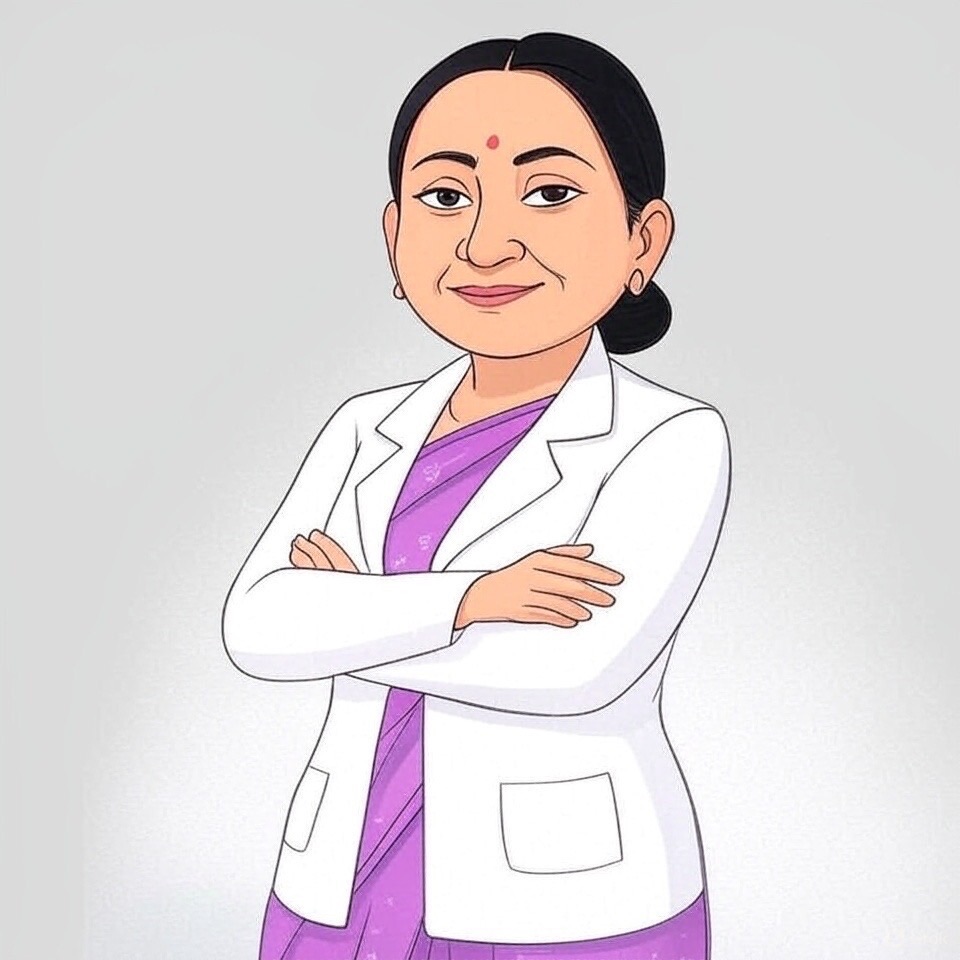
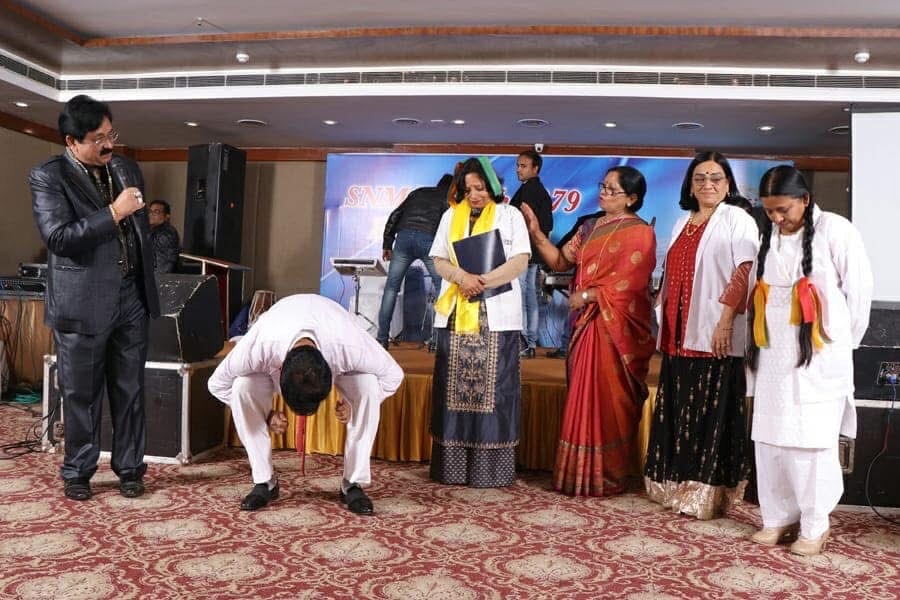
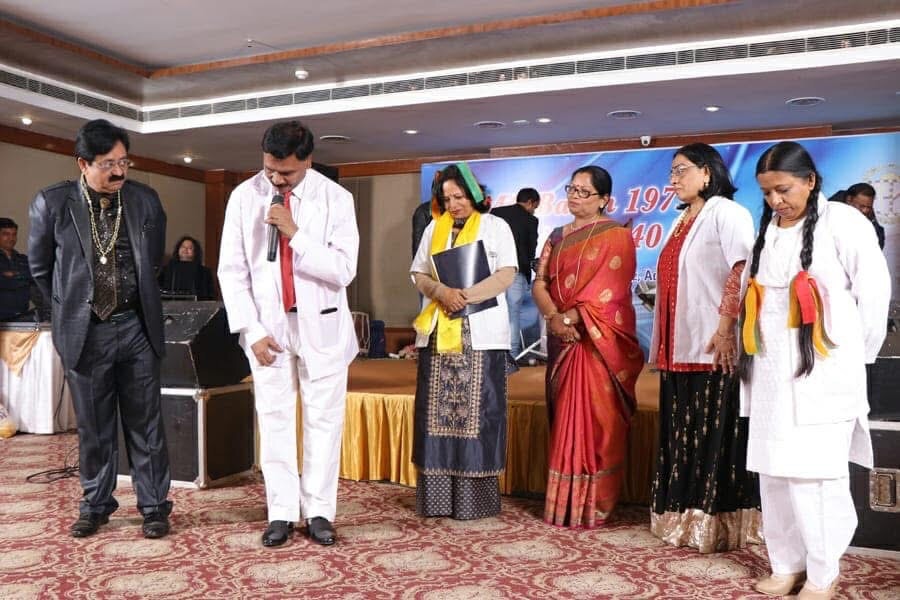
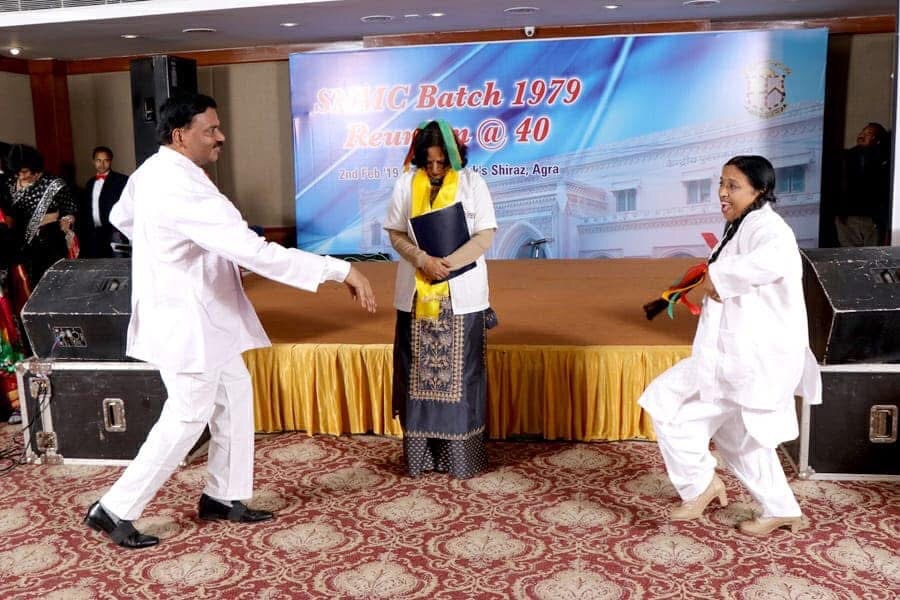
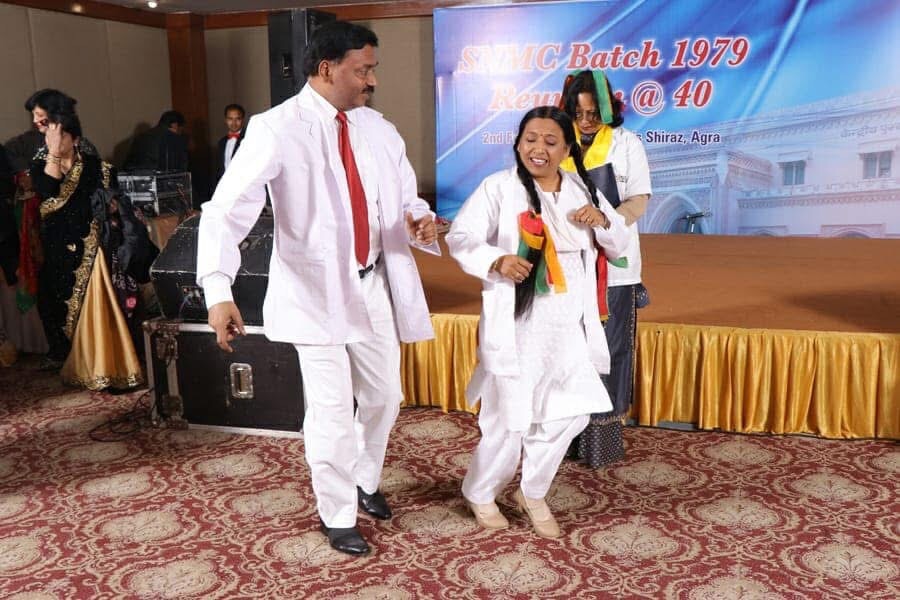
But medical school wasn’t all textbooks and tension; it was a stage for Kanchan’s dramatic flair, a place where her rebellious spirit truly took flight. In those early days, when the shadow of ragging loomed over the campus like a rite of passage gone wrong, Kanchan and her fellow seniors decided to flip the script. They enacted a play right there in the heart of S.N. Medical College, a satirical skit that mocked the very punishments they’d once endured, turning humiliation into hilarity. Kanchan, ever the showstopper, volunteered to star as the ultimate victim-turned-hero. Dressed head to toe in pristine white, symbolizing the fresh-faced juniors, she transformed herself with colorful hair bands tied into a wild, makeshift crest atop her head, slicked down with generous globs of sticky oil that made her hair gleam under the dim hostel lights. “Watch this, everyone—I’m about to become the cluckiest doctor you’ve ever seen!” she’d announced to the crowd of laughing classmates, her eyes sparkling with mischief as she struck the pose.
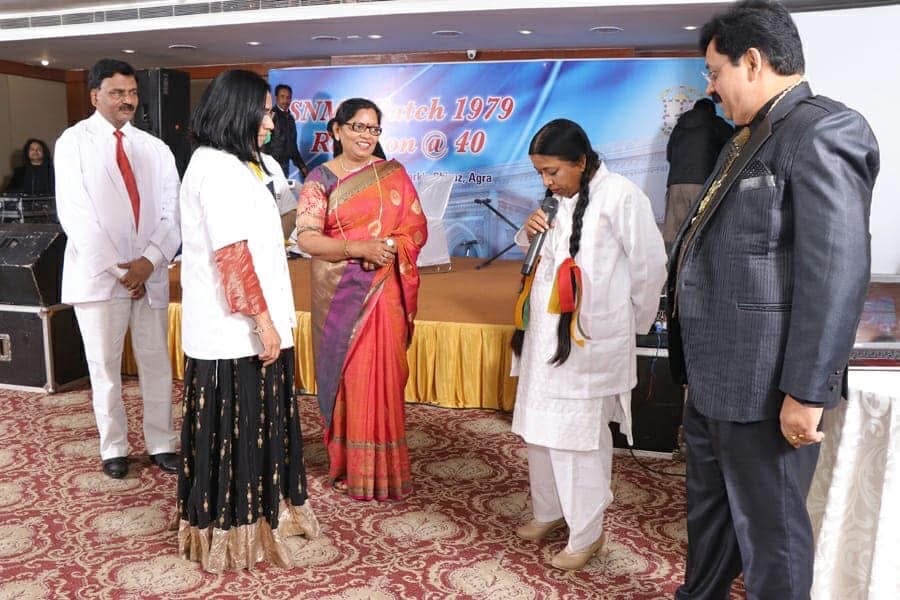
The role? A “murgi,” the infamous ragging punishment that every junior dreaded: arms bent under the knees, fingers locked around both ears like flapping wings, the body forced into a squatting spin, rotating backward counterclockwise while belting out the absurd “kukar koo” of a hen, all under the bellowing shouts of a senior barking orders like a deranged farmhand. Kanchan embodied it all, clucking and twirling with exaggerated gusto, her white outfit swirling as she spun, the oil-slicked hair bands flopping comically. The audience—juniors wide-eyed, seniors howling—couldn’t stop roaring with laughter as she hammed it up, turning the degrading ritual into a badge of defiance. “Faster, murgi! Louder!” she’d mimic the seniors’ taunts in a gravelly voice, then dissolve into giggles mid-spin, nearly toppling over. It was pure Kanchan: bold, unfiltered, using humor to expose the absurdity of it all, reminding everyone that even in the face of power imbalances, a little creativity could disarm the bullies.
She was a whirlwind, but not without her storms. Beneath the bravado, Kanchan wrestled with the weight of expectations—medical school was no easy feat, and there were nights she’d stay up, rewriting notes, doubting if she was good enough. “I’m just the girl who argues with professors,” she’d confess years later, sitting in a Dehradun café, her cappuccino half-drunk, her blue Mercedes parked outside. “But I couldn’t let that stop me. I wanted to make a difference, you know? For kids, for families, for me.” Her eyes, bright with that old Ghaziabad mischief, would soften as she spoke, revealing the vulnerability that made her so human. Like Jo March, who poured her soul into stories and cut her hair for her family, Kanchan’s heart was her compass, guiding her through every choice—even the wild ones on stage.
The Witty World of Dr. Kanchan Nigam: A Pediatric Pacifier Extraordinaire
Ah, Dr. Kanchan Nigam – or as her colleagues fondly called her, “The Human Pacifier” – was the kind of doctor who could soothe a cranky toddler with one hand and defuse a full-blown adult meltdown with the other. Picture this: a no-nonsense pediatrician with a stethoscope slung around her neck like a superhero cape, her white coat hiding a heart of gold and a wit sharper than a vaccine needle. Born and raised in the bustling medical hubs of India, Dr. Kanchan wasn’t just any doc; she was a trailblazer in pediatrics, the one who’d chase away fevers and fusses with equal parts expertise and elbow grease. But let’s not bore you with the dry facts – oh no, this is the humanized tale of a woman who turned hospital rounds into comedy sketches, all while saving the day with her legendary calm.

Dr. Kanchan’s journey into the world of tiny humans started way back when she was knee-deep in medical textbooks, probably muttering to herself, “Why did I choose pediatrics? Oh right, because adults are just big kids who don’t listen!” She honed her skills at top-notch spots like RML Hospital in Delhi and Dr. SPM Hospital in Lucknow, where she became a certified consultant in pediatrics. Imagine her as a young resident, juggling screaming infants and sleep-deprived parents, thinking, “If I can handle this chaos, I can handle anything – even a wardrobe malfunction during grand rounds!” From there, she leveled up to AIIMS Rishikesh, serving as a senior pediatrician, and even moonlighted as a national trainer, jetting across India to teach doctors and nurses about everything from breastfeeding basics to battling severe acute malnutrition. “Listen up, folks,” she’d say in her training sessions, with that trademark twinkle in her eye, “Feeding a baby isn’t rocket science – unless the rocket’s fueled by formula gone wrong!”
But what really set Dr. Kanchan apart? She wasn’t just book-smart; she was people-smart. Or should I say, “pacifier-smart.” In the high-stakes world of hospitals, where tempers flare hotter than a colicky baby’s cries, she had this magical ability to calm the storm with a few well-placed words. No drama, no shouting – just pure, humorous wisdom that left everyone chuckling instead of clashing. And oh boy, did she have stories! Take that one incident during a routine ward round that could’ve turned into a hospital soap opera. It was a typical busy morning in the pediatric ward: nurses buzzing around like caffeinated bees, patients’ families hovering like anxious helicopters, and the medical team making their way from bed to bed.
There they were, Dr. Kanchan leading the pack, clipboard in hand, when – oops! – one of the junior residents, let’s call him Dr. Clumsy (because, well, he was), accidentally brushed his hand against a patient’s family member’s arm while squeezing through the narrow aisle. It was totally inadvertent, like stepping on a Lego in the dark – no harm intended, but oh, the potential for pain! The family member, a fiery auntie-type who’d already been on edge from a long night of worry, felt the touch and whipped around, eyes narrowing like lasers. “What do you think you’re doing?!” she bellowed, her voice echoing off the sterile walls, preparing to raise absolute hell. The whole ward froze; you could hear a pin drop… or maybe just a thermometer clattering to the floor. The junior doc turned beet red, stammering, “I-I’m so sorry, ma’am, it was an accident!”
Enter Dr. Kanchan, the queen of quick saves. She didn’t panic or pull rank – nope, she sidled up to the auntie with a gentle smile, leaned in conspiratorially, and whispered just loud enough for the tension to pop like a balloon: “Arre behen ji, don’t worry about that hand. This poor boy doesn’t even know where his own body ends and his mouth begins half the time – how on earth would he figure out where his hand is wandering?” The auntie blinked, paused mid-rant, and then… burst out laughing! The junior doc looked mortified at first, but even he cracked a sheepish grin. Just like that, the situation diffused faster than a sugar rush after a lollipop. The ward round continued with everyone in stitches (the metaphorical kind, thankfully), and the auntie even ended up chatting with Dr. Kanchan about her grandkid’s recovery plan. “You’re a lifesaver, Doctor ji,” she said later, shaking her head. “And a comedian to boot!”
Nice of her? Understatement of the year! Dr. Kanchan’s knack for humor wasn’t just a party trick; it was her secret weapon in the empathy arsenal. She knew that in the pressure cooker of healthcare, a little levity goes a long way toward healing hearts as much as bodies. Today, as a consultant at Graphic Era Healthcare in Dehradun, she’s still at it – probably diffusing some new mishap with a quip that has the whole team ROFL. If life’s throwing you a curveball (or a wandering hand), channel your inner Dr. Kanchan: laugh it off, pacify with kindness, and remember, sometimes the best medicine is a well-timed joke. What a legend!
Her path led her to a Diploma in Child Health and a career in pediatrics, first with the Provincial Medical Services in Lucknow, then at the prestigious AIIMS Rishikesh, and later at Graphic Era Institute in Dehradun, where she worked alongside her husband, Brigadier Saxena, a distinguished radiologist. In the clinic, Kanchan was magic—a doctor who could coax a smile from a scared child with a silly joke or calm a frantic parent with her warmth. Her charisma, honed in those rickshaw-racing days and theatrical skits, made her a standout, but it was her generosity that left a mark. She’d spend hours ensuring her patients felt seen, often slipping in an extra moment to share a story or a laugh, much like how she’d once turned a ragging nightmare into a memorable farce.
Yet Kanchan’s life wasn’t all stethoscopes and serious moments. She lived with a flair that echoed Jo’s theatrical spirit, embracing a lavish lifestyle that turned heads as much as her wit. Her blue Mercedes, sleek and unmissable, was her chariot, a symbol of her love for life’s finer things. She’d pull up to college reunions in it, organizing events with a strict dress code and a flair for drama that made every gathering feel like a celebration. “Life’s too short to be boring!” she’d laugh, tossing her scarf over her shoulder, her energy pulling everyone into her orbit. But those close to her—Satish, Parveen, her husband—knew the quieter side of Kanchan, the one who’d pause in the chaos to make sure everyone was okay, who’d drive across Dehradun just to check on a friend.
Her marriage to Brigadier Saxena was a partnership of equals, two souls who balanced each other—his steady calm to her vibrant storm. Together, they built a life in Dehradun, where Kanchan’s love for luxury met her deep commitment to her work. But she wasn’t flawless. Her impulsiveness could lead to snap decisions—buying that Mercedes on a whim, or diving into a reunion plan without a second thought—and her need to shine sometimes stole the spotlight. “Am I too much?” she’d ask, half-laughing, half-serious, over coffee with a friend. “Maybe. But I’d rather be too much than not enough.”
Kanchan’s story is one of contradictions that somehow fit together: a tomboy turned doctor, a generous soul with a taste for extravagance, a woman who could command a room yet doubt herself in the quiet moments. Like Jo March, who fought to write her own story in a world that tried to script it for her, Kanchan carved her path with grit and heart—from Agra’s rickshaw races and murgi-spinning plays to Dehradun’s hospital halls. She lived unapologetically, her laughter and kindness leaving a trail of light. To know Kanchan Nigam was to know a woman who dared to be herself—flawed, fierce, and unforgettable.


 deemagclinic
 deemag and chest clinic