

Nestled in the emerald embrace of the Doon Valley, where the Ganges whispers secrets to the Yamuna and the Himalayas stand sentinel against the chaos of the plains, Dr. Aditya Kumar entered the world in 1975—not with a cry, but with the quiet resolve of a mountain stream carving its path. Dehradun, that timeless haven of oak-shaded lanes and spice-scented bazaars, wasn’t just his birthplace; it was the forge that tempered a young boy’s fascination with herbs and healing into the unyielding steel of an Ayurvedic pioneer. His father, a humble herbalist with callused hands that knew the soil better than scrolls, would kneel in their backyard garden at dawn, grinding neem leaves into pastes. “Beta,” he’d murmur, his voice like the rustle of eucalyptus in the wind, “the body is no machine to be fixed with Western gears. It’s a garden—nurture the roots, and the flowers follow. Ayurveda isn’t just medicine; it’s the rhythm of life itself.”
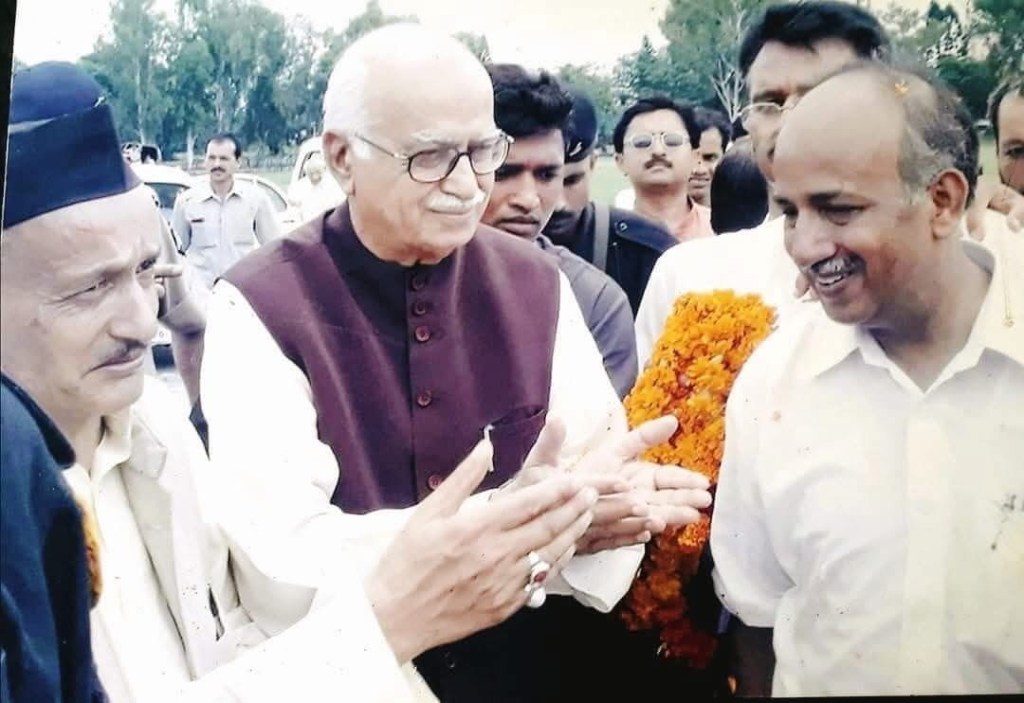
Young Aditya, all gangly limbs and insatiable questions, absorbed those lessons like monsoon rain on parched earth. At eight, during a family pilgrimage to the sacred ghats of Haridwar—mere miles from their home—he watched his aunt wracked by a fever that modern pills couldn’t touch. The village vaidya arrived on a creaky bicycle, his satchel brimming with tulsi and ashwagandha. With chants and compresses, he coaxed her back from the brink. As the sun dipped into the river, Aditya tugged at his father’s kurta. “Baba, why does the city doctor shake his head at these leaves? They saved Chachi!” His father chuckled, ruffling the boy’s hair. “Because, Adi, the world races forward, forgetting the wisdom in its footsteps. One day, you’ll bridge that gap—show them that ancient roots can heal modern wounds.”

That spark kindled a blaze. Aditya devoured texts on the Vedas and Vagbhata by lantern light, his room a sanctuary of yellowed pages and the faint aroma of simmering kadha. He pursued his Bachelor of Ayurvedic Medicine and Surgery (BAMS) at Bharati Vidyapeeth Deemed University in Pune, graduating in 2014 with a fervor that turned heads. “Classmates called me the ‘Himalayan Hurricane,'” he later joked in a council seminar, his laughter booming like thunder over the valley. “I’d drag them on midnight herb hunts, insisting triphala wasn’t just a powder—it was poetry for the gut.” Returning to Dehradun in 2015, he didn’t chase the glamour of urban clinics. Instead, he rooted himself at a modest Ayurvedic dispensary in Rajpur Road, blending pulse diagnosis with patient stories, prescribing not just formulations but faith.

By 2018, Aditya’s vision bloomed into the Doon Ayurveda Outreach, a grassroots network of mobile vaidyas who trekked into the remotest hamlets of Uttarakhand—places where roads dissolve into goat paths and leopards prowl the periphery. “We’ve got drones delivering groceries now,” he’d say at community forums, his eyes alight with mischief, “but nothing beats a vaidya on foot, satchel slung over shoulder, reading the land like a living Marma point.” His initiatives slashed rural reliance on allopathic quacks by 40%, introducing “Panchakarma on Wheels”—detox tents pitched under starlit skies, where villagers traded tales of toil for therapies that eased both joints and souls.

His empathy, that rare elixir, often spilled into the corridors. In the blistering summer of 2024, as a wildfire haze choked Dehradun, a junior Ayurvedic intern—exhausted from endless consultations—collapsed into a chair outside his office. “Sir, the smoke… the patients… how do we humanize this hell?” she gasped, her voice cracking like dry earth. Aditya, sleeves rolled up and a strand of rudraksha beads glinting on his wrist, fetched a brass tumbler of cooling kokum sherbet. “Arre, sit, beta. Breathe with me—inhale the prana of these hills, exhale the frenzy. Remember, Ayurveda teaches us: the doshas rage like wildfires, but with Sattva—clarity—we tame them. Tomorrow, start each consult with a question not of symptoms, but of dreams. ‘What makes your heart sing amid the smoke?’ Watch—the healing doubles.”
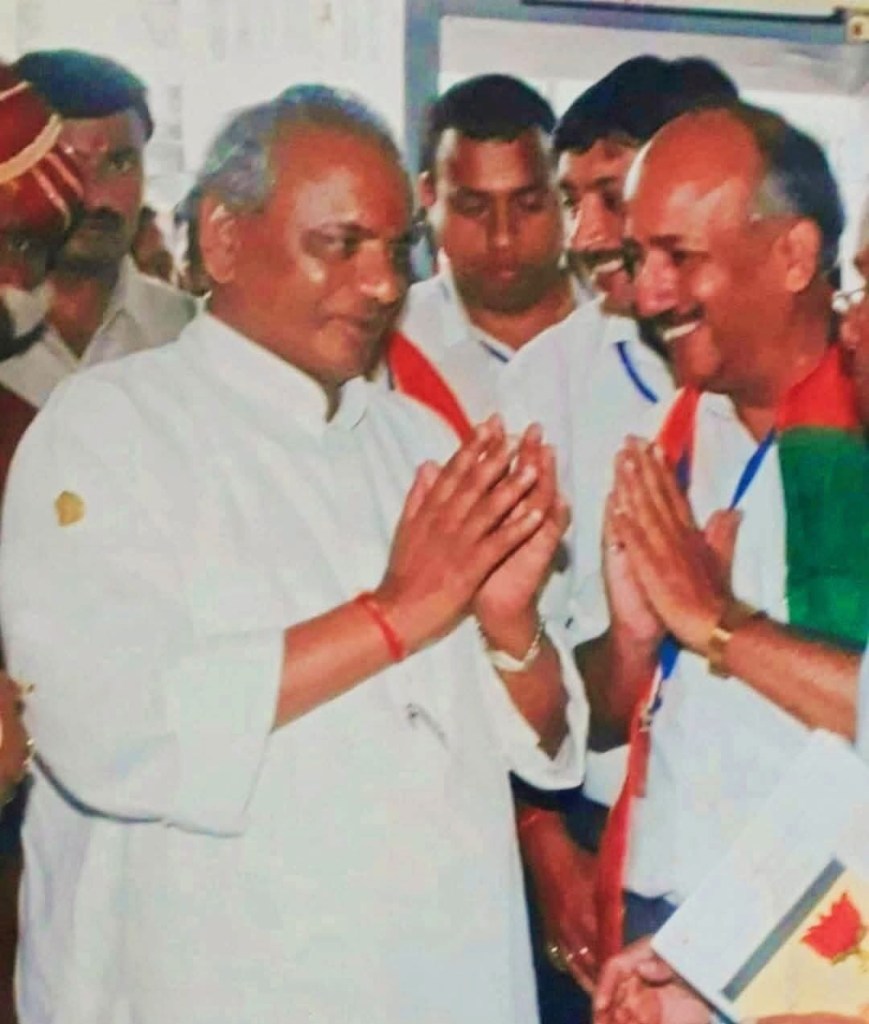
That intern, now a lead consultant in his outreach, calls it her “Sherbet Sermon.” At 50, with the Doon’s perpetual spring etching fine lines of wisdom on his face, Aditya balances council chambers with dawn yoga in his Mussoorie cottage. Wed to a fellow BAMS graduate, Dr. Meera, whose laughter rivals the hill birds, and father to twins who roll their eyes at his “herb dad” puns, he jogs the misty trails of Robber’s Cave, pondering the next reform. “The mountains don’t yield easily,” he confided to a journalist last Diwali, as diyas flickered on the Ganga’s banks, “but neither do I. Humanized medicine? It’s my vow—to honor the vaidya’s satchel and the scientist’s scope, one balanced heartbeat at a time.”
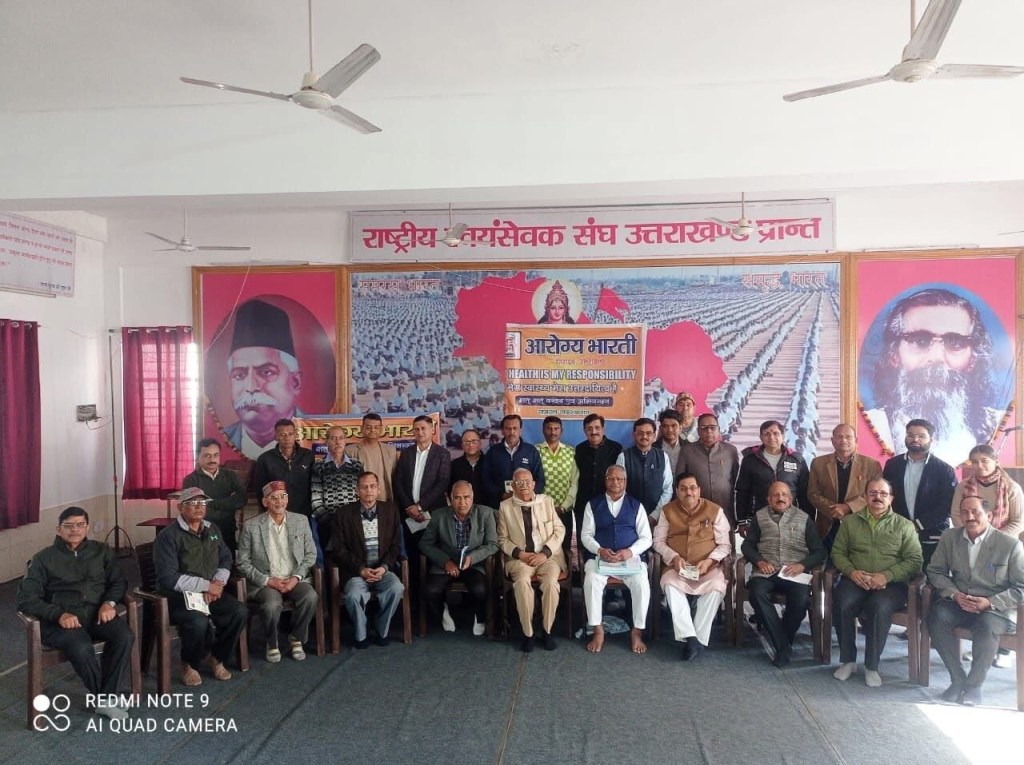
In Dehradun’s timeless dance of tradition and tomorrow, Dr. Aditya Kumar, BAMS, isn’t merely a vice president of medicinal plant board or a healer—he’s the bridge, the balm, the beating heart of Uttarakhand’s medical renaissance. As the evening aarti echoes from distant temples, one can’t help but wonder: in a world adrift in haste, what greater magic than a doctor who prescribes not just cures, but connection?


 deemagclinic
 deemag and chest clinic