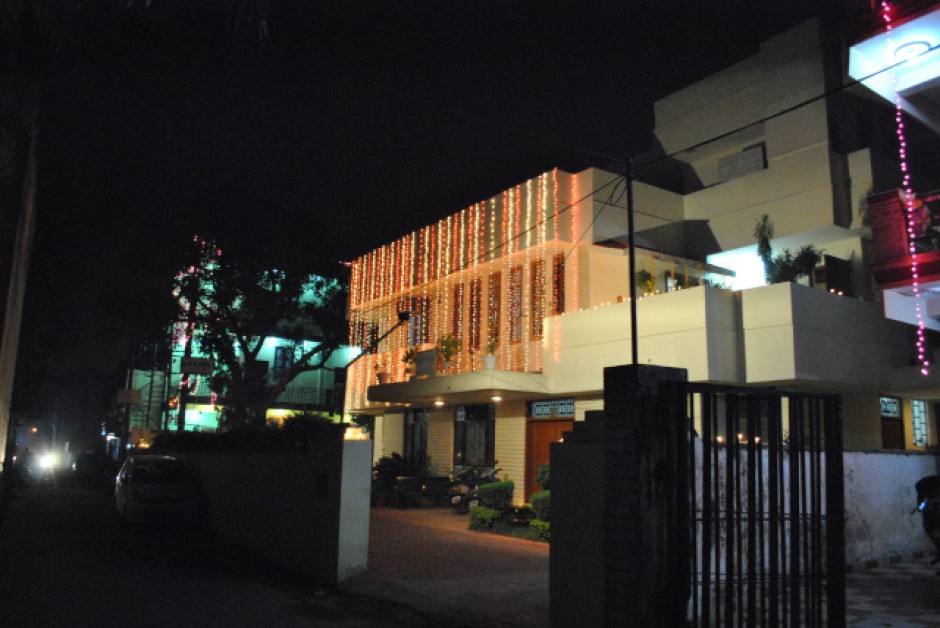
By Dr. P.K. Gupta, Dehradun – reflecting on a colleague whose calm belies a storm of change
In the world of psychiatry, where minds tangle like monsoon-kissed vines, Dr. Mrugesh Vaishnav stands as a steady anchor – a man whose voice soothes like a Sabarmati breeze, yet whose vision has reshaped how India talks about mental health. Born in the vibrant heart of Ahmedabad in the late 1950s, Mrugesh grew up amid the city’s blend of ancient temples and bustling bazaars, where family stories flowed as freely as chai from roadside stalls. His father, a disciplined civil servant, taught him the value of quiet persistence; his mother, with her intuitive wisdom, sparked his early fascination with the unseen currents of the human spirit. As a boy, Mrugesh was the one dissecting why the neighborhood uncle’s temper flared during Diwali preparations – not with judgment, but with gentle curiosity. Little did he know, that curiosity would one day heal thousands.
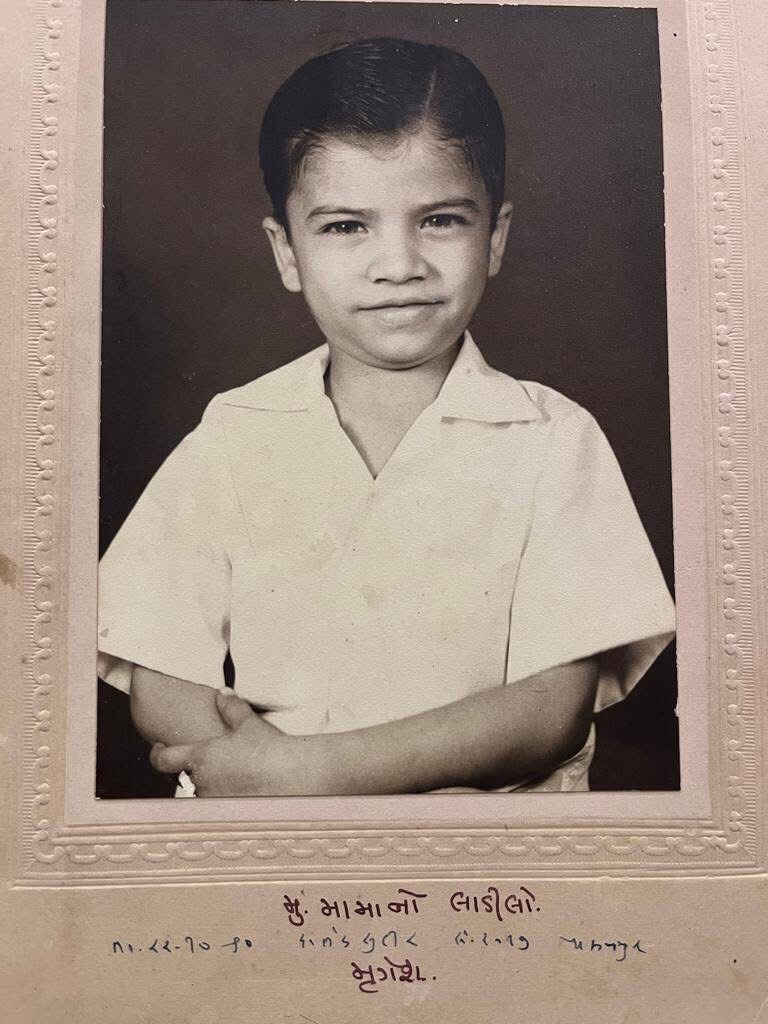
By the 1970s, Mrugesh’s path to medicine was etched in determination. He enrolled at B.J. Medical College, Ahmedabad, earning his MBBS with honors that reflected his methodical mind. But it was during his MD in Psychiatry there, completed in 1981, that the spark ignited into flame. “Psychiatry isn’t just about pills and couches,” he’d later say in a lecture, his eyes twinkling. “It’s about handing someone a mirror and saying, ‘Look – you’re stronger than this shadow.'” Those formative years at B.J. exposed him to the raw underbelly of mental illness in a rapidly urbanizing India: the stigma-shrouded depressions of factory workers, the addictions born of unfulfilled dreams. Graduating at 24, he dove headfirst into practice, vowing to make mental health as routine as a morning jog.
In 1984, at just 27, Mrugesh founded Samvedana Psychiatric Hospital & Research Institute on Ashram Road – a modest setup that blossomed into a 37-year beacon of hope. What started as a single consulting room ballooned into a full-fledged facility under his direction, now co-led with his son, Dr. Parth Vaishnav, a NIMHANS-trained psychiatrist carrying the torch forward. Samvedana isn’t your sterile clinic; it’s a sanctuary blending evidence-based therapy with cultural empathy – yoga sessions laced with bhajans, family counseling that nods to joint-family dynamics, and de-addiction programs tailored for Gujarat’s teetotaler ethos. Over 100,000 patients have walked through its doors, from adolescents battling exam anxiety to elders grappling with loneliness. Mrugesh’s touch? Always holistic. “Treat the mind, but don’t ignore the masala in their lives,” he’d quip, prescribing walks along the Sabarmati River alongside SSRIs.

But Mrugesh bhai – as his juniors affectionately call him – never stayed confined to Ahmedabad’s walls. His career is a tapestry of leadership that elevated Indian psychiatry globally. By the mid-1980s, he was President of the Gujarat State Branch of the Indian Psychiatric Society (IPS), a role he used to rally against the era’s rampant superstition around mental illness. Fast-forward to 2002: He founded and presided over the Indian Association of Private Psychiatry, championing private practitioners in a field often overshadowed by government silos. His ascent in IPS was meteoric yet understated – Vice-President and President-Elect in 2018-19, then National President in 2019-20, steering the society through the dawn of the Mental Healthcare Act 2017. In his presidential address at ANCIPS 2020 in Kolkata, themed “Smart Psychiatry in the Digital Era,” he declared, “We’re not just doctors; we’re digital diplomats, bridging apps and anxieties.” Under his watch, IPS tackled thorny issues like disability certification and ethical dilemmas in family therapy, publishing pivotal papers – including his own on legal drop-outs in marital counseling. 18 He also served as Ex-Direct Council Member and Joint Secretary of the Indian Andropause Society (2013-19), addressing aging’s overlooked mental toll.
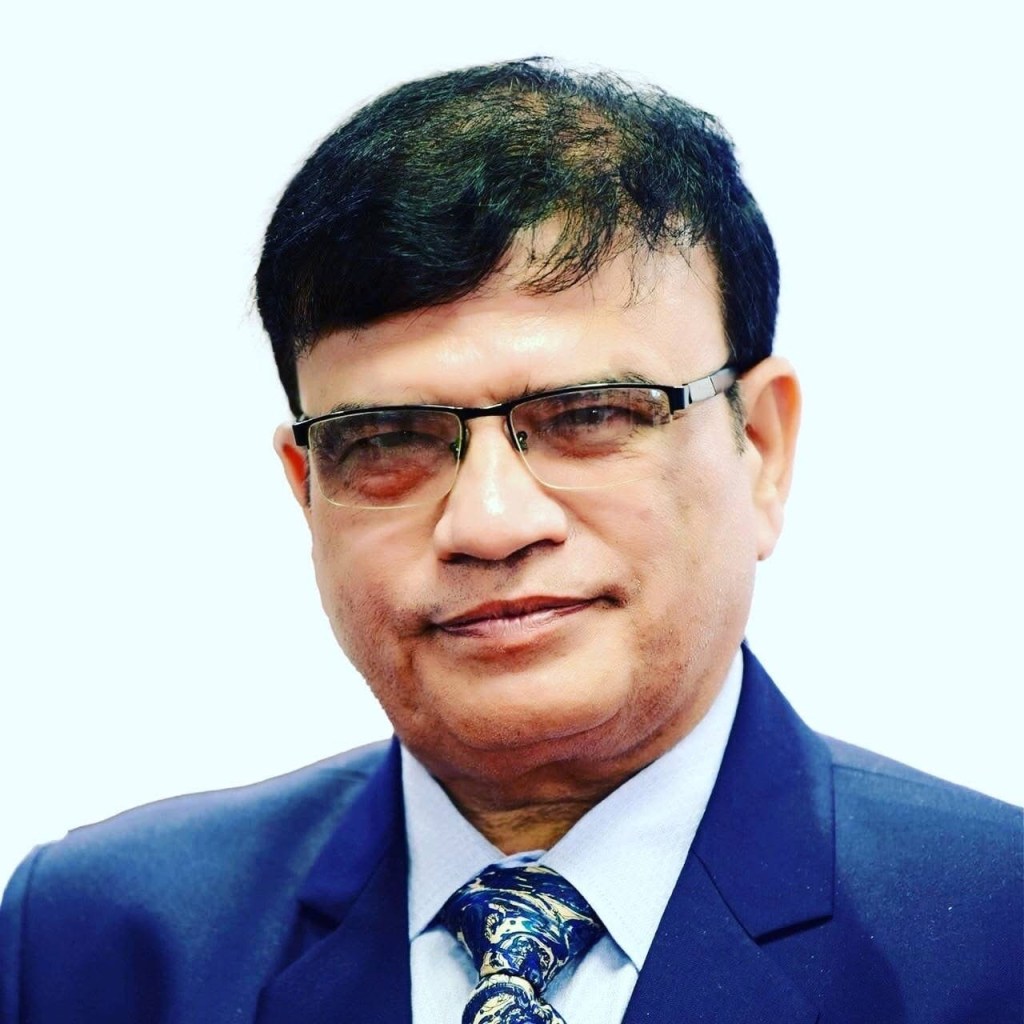
Globally, Mrugesh’s influence ripples wide. An International Distinguished Fellow of the American Psychiatric Association, he’s on the Editorial Board of the World Psychiatric Association’s E-Journal, contributing essays that weave Indian contexts into universal dialogues. 10 A Member of Gujarat’s State Mental Health Authority, he’s advised on policies that destigmatize therapy in schools and workplaces. His research arm, the Institute of Psychological & Sexual Research, pioneers studies on everything from COVID-19’s psychosocial scars to bipolar disorder’s cultural nuances – work that’s landed in journals like the Indian Journal of Psychiatry. 0 As a sex therapist, he’s been a trailblazer, authoring chapters on marital harmony and speaking candidly about taboos that silence generations.
Yet, for all his accolades, Mrugesh is as much storyteller as healer. An author of books blending psychology with motivation, he’s a sought-after speaker whose TEDx-style talks – like “The Mirror of Mental Health” – pack halls with laughter and lightbulb moments. On YouTube, his channel demystifies disorders with Gujarati warmth: “Bipolar nahi, zindagi ka rollercoaster hai – seekh lo brakes lagana!” 17 His X posts (@DrmrugeshV) mix advocacy with levity – from World Bipolar Day pleas (“Break the silence, not the spirit”) to quirky takes on tariffs and mania. 29 Married to a supportive partner who’s his quiet co-pilot, and father to Parth, he lives by a mantra from his twenties: Every morning, he asks the mirror, “If today were my last, would I seize it?” It’s kept him evolving – from clinician to crusader.
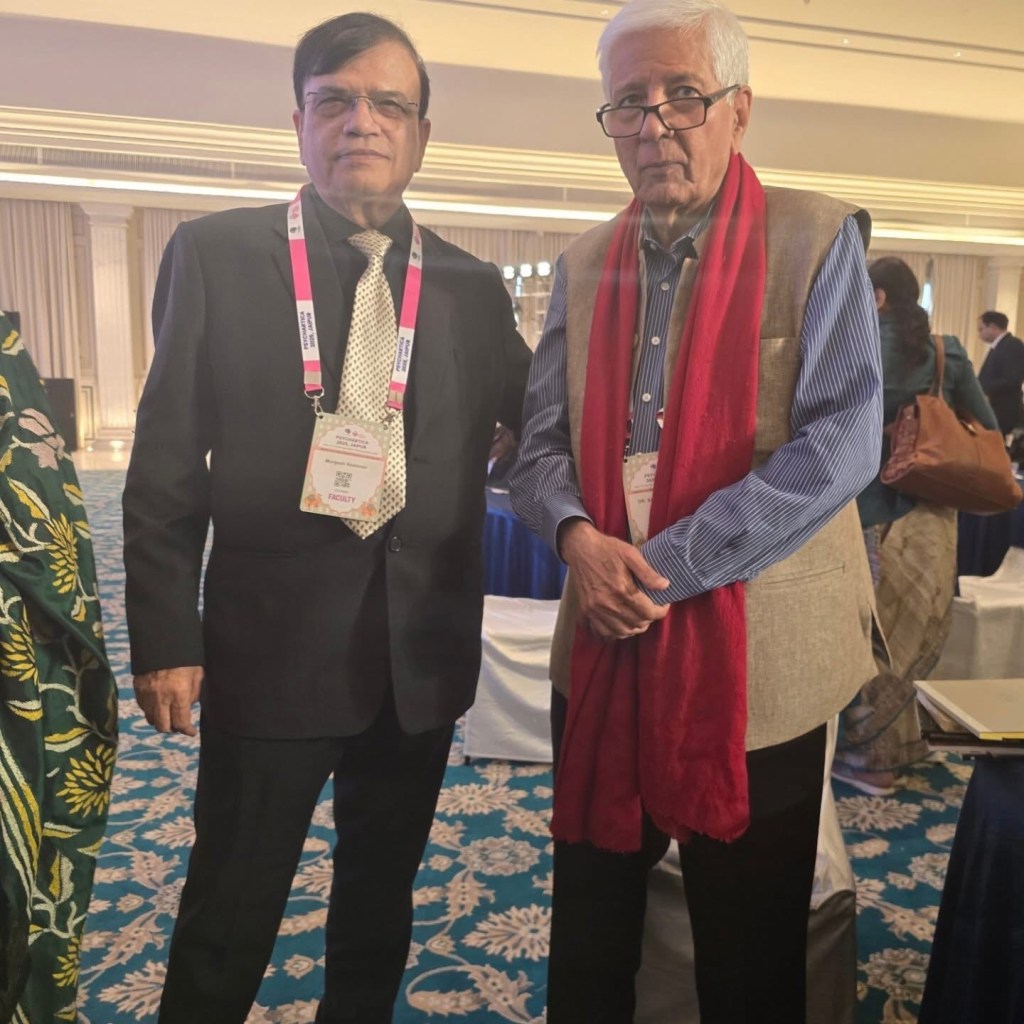
I first crossed paths with Mrugesh bhai in 2012, at the American Psychiatric Association meet in New York. He was the unflappable leader of our ragtag Indian delegation – me, the jittery Dehradun shrink; young Sumit Khatri, bursting with one-liners; and a handful of others. Amid DSM-5 debates at Javits Center, he’d pivot to impromptu tours: “Guptaji, Empire State pe chadhenge – yeh hamara Eiffel Tower!” (A slip that had us roaring on the ferry to Liberty Island.) His calm was our compass – quoting survival stats over falafel, turning jet-lag gripe sessions into philosophy circles.
The real legend unfolded on our Delta flight home. Halfway over the Atlantic, the engine coughed like a chain-smoker quitting cold turkey. No heads-up, just a stealthy U-turn that left us gripping seats. Captain’s voice finally: “Engine hiccup, folks. Back to JFK.” My pulse raced; Sumit joked about posthumous papers. But Mrugesh bhai? He leaned in, voice steady as monsoon earth: “Guptaji, statistically, we’re safer turning back than tempting Poseidon. Plus, I’ve got thepla in my bag – emergency rations.” We landed with a thud, towed to the gate by tractor like a village cart. The pilot, sheepish: “Ground staff’s blunder – wrong fuel.” Mrugesh clasped his hand: “Captain, aapne jaan bachai. Ab Gujarati fuel try karo – zero malfunctions!”

Delta’s apology? Swanky apartments with kitchens screaming “Cook!” At 4 a.m., bone-tired, Sumit and I stared at pots. Mrugesh knocked, tin in hand: “Khakra, fafda, muthiya – Gujarat to the rescue!” The corridor became our feast: ten psychiatrists on the floor, trading mathri for thepla, Kishore crooning from a phone. “Life’s too short for panic,” he said, passing chevdo. “Or uncooked pasta.” Laughter drowned the adrenaline; no one touched the ovens.
Detours followed – Atlanta’s piano jazz (Mrugesh tipping with a “Jai Ho” request), a Paris tarmac tease of the real Eiffel, my missed Delhi-Dehradun flight ending in a 14-hour bus odyssey fueled by leftovers. Through it all, his poise held us: “Guptaji, yeh exposure therapy hai – delays build resilience.” Back in Ahmedabad, he resumed rounds, but we’d forged a bond. At conferences, he’d greet: “Engine kharab? Thepla laaye?”
Today, in December 2025, at 68, Dr. Mrugesh Vaishnav remains Ahmedabad’s mental health maestro – treating, teaching, transforming. With Samvedana thriving, Parth at the helm, and global fellowships stacking, he’s proof that one steady hand can steady a nation. In a field of storms, he’s the eye – calm, clear, calling us to our best selves.
Dr. P.K. Gupta, forever grateful for mirrors, mishaps, and mentors – Dehradun, December 2025


 deemagclinic
 deemag and chest clinic