
In the serene hills of Dehradun, where the air is crisp and the pace of life a little slower, Dr. Puneet Tyagi stands as a pillar of healing and quiet creativity. A renowned pulmonologist and critical care specialist with over 25 years of experience, he is currently the Medical Director and Senior Pulmonologist at Graphic Era Hospital—one of the city’s most prestigious institutions. Before taking the helm there, he served as Director of Pulmonary and Critical Care Medicine at Max Hospital in Dehradun, where he built a reputation for tackling complex respiratory cases with compassion and expertise.
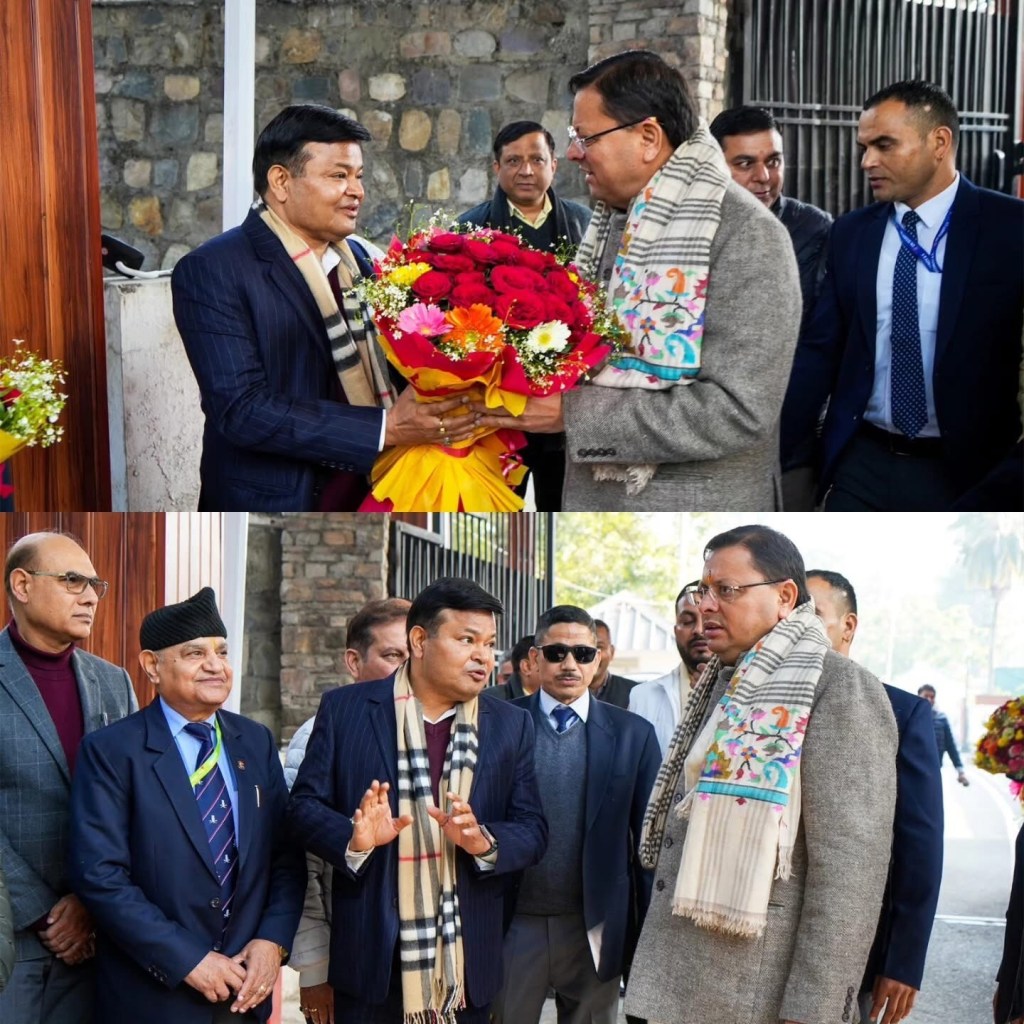
Dr. Tyagi’s journey began in the bustling heart of Delhi. He earned his MBBS from the prestigious Maulana Azad Medical College in 1993, followed by an MD in Tuberculosis and Respiratory Diseases from the Vallabhbhai Patel Chest Institute, University of Delhi, in 1999. His training immersed him in some of India’s top institutions for chest medicine, equipping him to handle everything from stubborn tuberculosis cases to advanced critical care. Over the decades, he’s contributed to research, published papers on topics like pulmonary tuberculosis in children and rare infections, and become a go-to expert for conditions like asthma, COPD, sleep apnea, and smoking cessation.
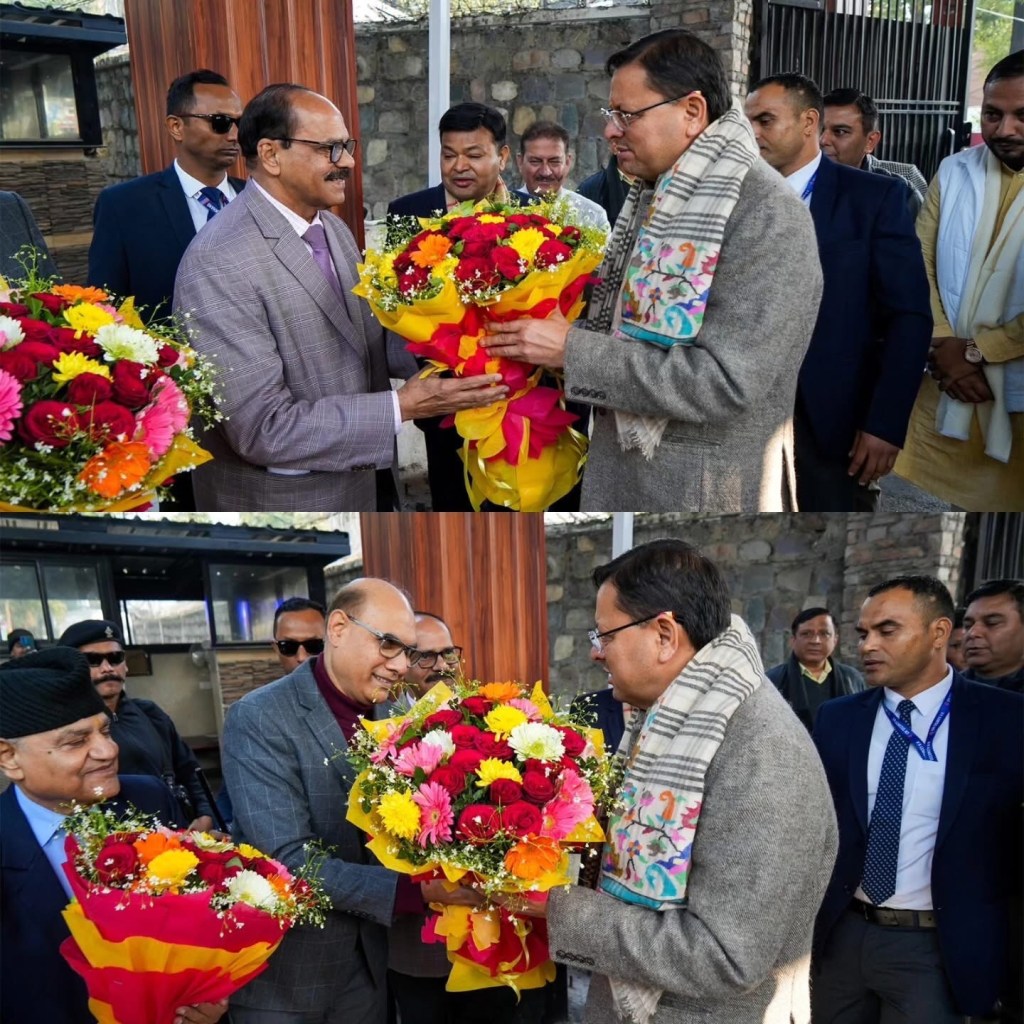
But what truly sets Dr. Tyagi apart is the poet’s heart beating beneath the doctor’s white coat. Amidst the beeps of monitors and the urgency of ICUs, he finds solace in words—crafting poems that reflect on life, loss, and the human condition. His collection Khat Aur Diary reveals a sensitive soul who weaves profound emotions into verse.
Years ago, a patient named Dolly Dabral—herself a writer whose pieces occasionally graced newspapers—arrived at Max Hospital, gasping for breath. As Dr. Tyagi examined her, he paused, a spark of recognition in his eyes.
“Oh, you’re Dolly Dabral! The one who writes so beautifully—you even appear in the newspapers sometimes,” he said with a warm smile.
Dolly, catching her breath, nodded in surprise. “Yes, that’s me. And you… you know my work?”
“I do,” he replied, adjusting his stethoscope. “I write too, you know. Poetry, mostly. It keeps me grounded.”
Her eyes lit up. “A doctor who writes poetry? That’s wonderful! It feels so good when someone in your field has passions beyond medicine.”
From that day, a unique friendship blossomed—one bridging stethoscopes and sonnets. Dolly first heard his poetry at a seminar, where his words flowed with quiet power. “It was mesmerizing,” she later recalled. He visited her home, attended launches of her books with friends in tow, and shared his own verses.
Despite his hectic schedule—running departments, seeing patients, leading a hospital—they promised to connect more. “We’ll come for Diwali… or Christmas,” he’d say apologetically, always pulled away by duty.
But promises, especially from a man as dedicated as Dr. Tyagi, aren’t easily broken. After months, he finally carved out time and arrived at Dolly’s door.
As they sat together for over two hours—an appointment free of prescriptions or diagnoses—they dove deep into literature and poetry. No talk of illnesses or inhalers; just the rhythm of words and ideas.
Dolly, admitting her own limitations, said, “I’m zero when it comes to writing poems myself, but I absolutely love listening to them.”
Dr. Tyagi smiled and shared some of his latest works. Dolly, in turn, offered gentle advice: “No matter how busy you are in your profession, make sure to carve out at least an hour for something separate—reading, writing, whatever sparks your interest.”
He nodded thoughtfully. “You’re right. It’s what keeps us human.”
One poem he shared that day left a lasting impression—a poignant piece titled “Resentments” (or perhaps reflecting on “Regrets” and societal wounds):
The regrets remained intact
Neither buried nor burned on the pyre
Just passed to the next generation
That’s why millions of lives destroyed by guns
Someone fought for land
Someone for a woman
Someone became a contractor of religion
Built empires on disrespect
Someone picked up the gun in poverty
Gardens all wired up
I don’t know where the shadows of love are lost
The bars are full of grief now
Small things stained with blood
Alcohol and drugs have faded the colors
False tales have ensnared us
Countries burning, cities burning
Streets burning, houses burning
Humanity dying, humans burning
Politics dividing society into pieces
No one teaching love
Just lies upon lies
A shadow of mourning on death itself
And someone celebrates those very deaths
At what point are we standing?
In grief, ready to loot everything
Someone should start somewhere
There’s no tax on love
Let’s import it, export it
Sit together, leave the TV, mobile, business behind
Earn some relationships, let them grow
Someone invent a gun like this—
That showers love, not bullets
And with love, we’re right
Go to any limit for each other
Now the time has come
Let us bury the chains
Burn the embers of grief…
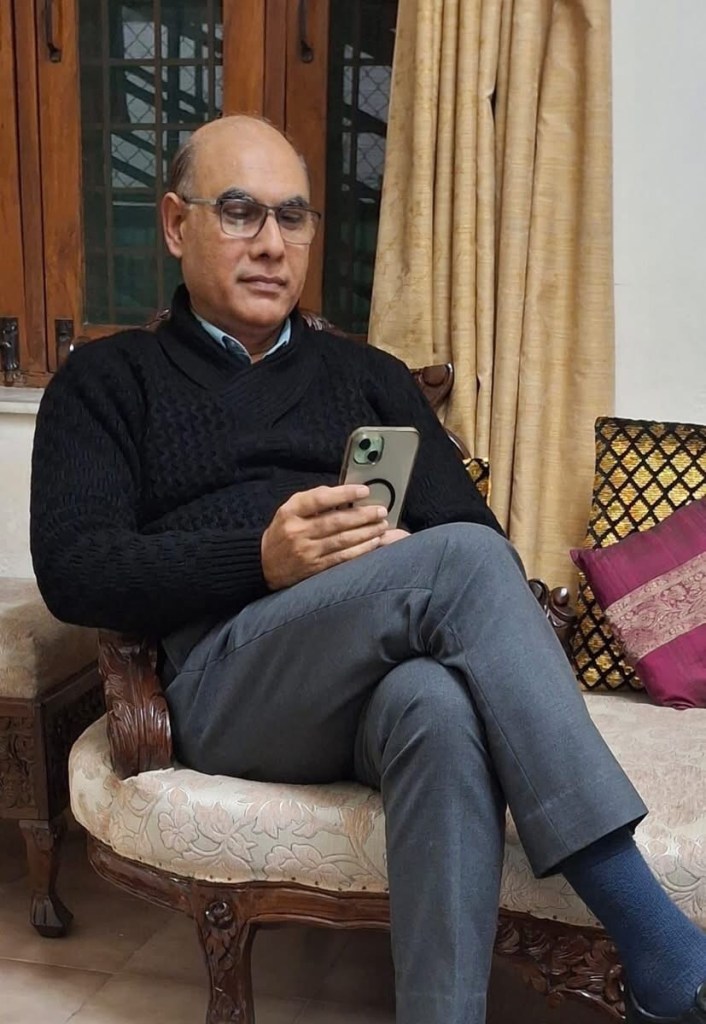
In a world where doctors are often seen only through the lens of medicine, Dr. Puneet Tyagi reminds us that true healers nurture their own souls too. His life is a beautiful blend of saving breaths and breathing life into words—a testament that even in the busiest of lives, there’s always room for poetry, friendship, and a little humanity.


 deemagclinic
 deemag and chest clinic