
In the bustling heart of Agra, where the Taj Mahal stands as a timeless symbol of love and endurance, a woman was born who would embody those very qualities in the realm of medicine. Dr. Kanwal Kalra came into the world on a crisp autumn day in the mid-20th century, in a modest family that valued education above all. Little Kanwal, with her wide-eyed curiosity and gentle demeanor, grew up wandering the streets near the Yamuna River, watching children play and wondering why some fell ill while others thrived. “Why do babies cry so much, Ma?” she’d ask her mother, who would smile and say, “Because they need someone like you to make them better someday.”
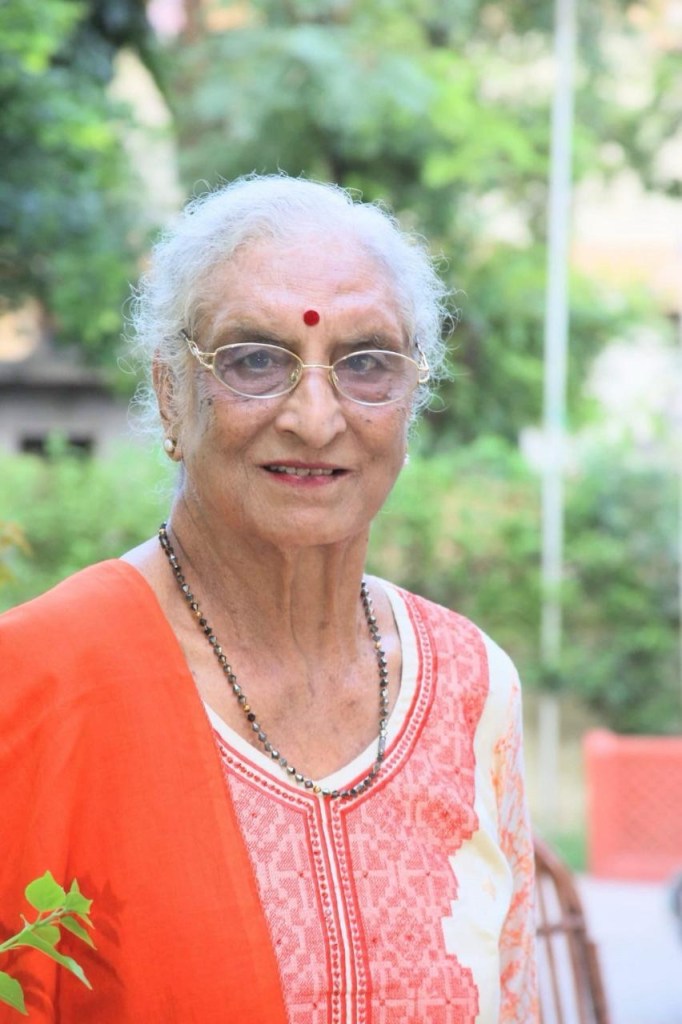
Her path to medicine was no accident. As a young girl, Kanwal witnessed a neighborhood child succumb to a preventable illness due to lack of care. That tragedy ignited a fire in her. She excelled in school, topping her classes with a quiet determination that belied her soft-spoken nature. By the time she entered Sarojini Naidu Medical College (SN Medical College) in Agra in the 1960s, she was already known for her empathy. “Medicine isn’t just books and bones,” she’d tell her classmates during late-night study sessions. “It’s about holding a hand when the world feels too heavy.”
Graduating with honors in pediatrics, Dr. Kalra pursued her MD, specializing in child health—a field that called to her like a mother’s lullaby. Her early career was marked by tireless work in Agra’s government hospitals, where she treated underprivileged children amid overflowing wards and limited resources. “This little one has pneumonia,” she’d say to a worried parent, her voice steady as she examined a feverish toddler. “But look at his eyes—they’re full of fight. We’ll fight with him.” Her patients weren’t just cases; they were stories. One mother recalls, “Dr. Kalra didn’t just prescribe medicine; she sat with me, explaining everything in simple words. ‘Your child is strong,’ she said, ‘and so are you.'”
Rising through the ranks, Dr. Kalra became Professor and eventually Head of the Pediatrics Department at SN Medical College. Here, she wasn’t just an educator—she was a sculptor of souls. Her lectures were legendary, blending science with life lessons. “A doctor is not merely a healer,” she’d proclaim to her students, her eyes sparkling with conviction. “We are guides to hope. Imagine a child gasping for breath—your knowledge saves the body, but your kindness saves the spirit.” One of her protégés, now a renowned pediatrician in the US, remembers a pivotal moment: “I was fumbling during rounds, scared I’d misdiagnose. Dr. Kalra pulled me aside and said, ‘Beta, knowledge comes from books, but wisdom from the heart. Feel the pulse, not just count it.’ That changed everything for me.”
But Dr. Kalra’s influence extended beyond the classroom. She was a pioneer in community health initiatives in Agra, organizing free clinics in rural areas where malnutrition and infectious diseases ravaged young lives. “Why wait for them to come to us?” she’d challenge her team. “Let’s go to them—with vaccines, education, and a smile.” Her approach was revolutionary: she trained local women as health aides, turning villages into bastions of prevention. In one memorable incident during a measles outbreak, she drove through monsoon-flooded roads to reach a remote hamlet. “The roads are gone, Ma’am,” her driver protested. “Nonsense,” she replied with her trademark firmness wrapped in gentleness. “Children don’t wait for clear skies.” That night, she vaccinated dozens, her white coat muddied but her resolve unshaken.
At home, Dr. Kalra was a pillar of quiet strength. Married to a fellow academic, she balanced her demanding career with family life, treating her own children—and later, her students—as extensions of her heart. “She was like a father in support and a mother in love,” recalls a close family friend. Evenings were filled with stories: “Once, a boy came in with a broken arm from playing cricket,” she’d recount over dinner. “I fixed the bone, but I also taught him to dream bigger—maybe become a doctor himself!” Her personal mantra? “Rise high, but never forget to bend low in humility. Shine bright, but keep your heart human.”
Dr. Kalra’s legacy is a living tapestry. Her students, scattered across India and beyond—from bustling hospitals in Mumbai to research labs in Europe—carry her ethos forward. “Every heartbeat we save echoes her teachings,” says one disciple, who now heads a pediatric unit in Delhi. She authored papers on childhood nutrition and ethical pediatrics, but her true writings were etched in lives: the discipline she instilled, the affection she bestowed, the sacred vow of medical duty she inspired.
Tragically, on January 8, 2025, Dr. Kanwal Kalra passed away after a brief illness, leaving a void as profound as her impact. Today, on her first death anniversary—January 8, 2026—we remember not just the doctor, but the human beacon. In a world of fleeting fame, she remains eternal: a culture of compassion, a wellspring of values, an undying source of inspiration. As she once said to a graduating class, “Medicine is worship—serve with love, and you’ll never truly leave.” Dr. Kalra, your light still guides us. A million salutes to your sacred memory.


 deemagclinic
 deemag and chest clinic