
Dr. Harbans Lal was a compassionate homeopathic physician whose life bridged the chaos of India’s Partition with the quiet dignity of a small-town healer in Dehradun. Born and raised in Lahore, where he had built a successful practice as a renowned homeopath, he faced one of history’s most brutal upheavals in 1947. As communal violence erupted and millions fled across new borders, Dr. Lal made the heart-wrenching decision to leave behind his established life.
In those frantic days, with trains overflowing with refugees and roads lined with tragedy, he turned to his wife one evening amid the growing unrest.
https://www.facebook.com/share/v/1AdVJq8fRe/?mibextid=wwXIfr
“Harbans ji,” she said softly, her voice trembling as distant cries echoed through the streets, “Lahore is no longer safe for us. The violence… it’s everywhere. What will become of our children, our home?”
He paused, looking at her with steady eyes, the weight of the moment pressing on him. “We must go,” he replied calmly, though his heart ached. “India is calling us home. We’ll find a place of peace, rebuild quietly. The children need safety more than anything.”
Together, they joined the exodus, enduring the fear and uncertainty that defined the Partition. They eventually settled in the serene hill town of Dehradun, nestled at the foothills of the Himalayas—a far cry from Lahore’s bustle, but a place where they could start anew.
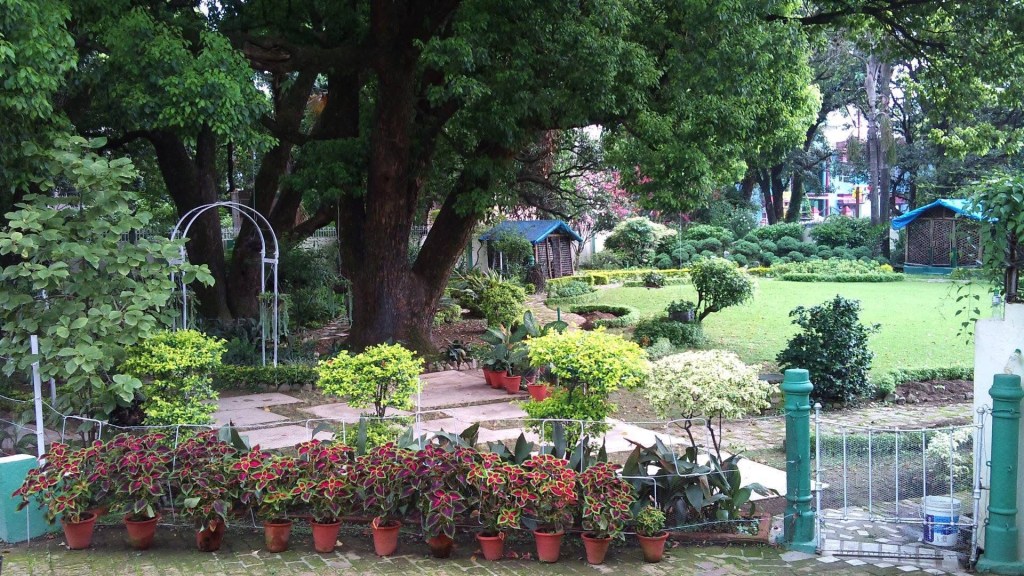
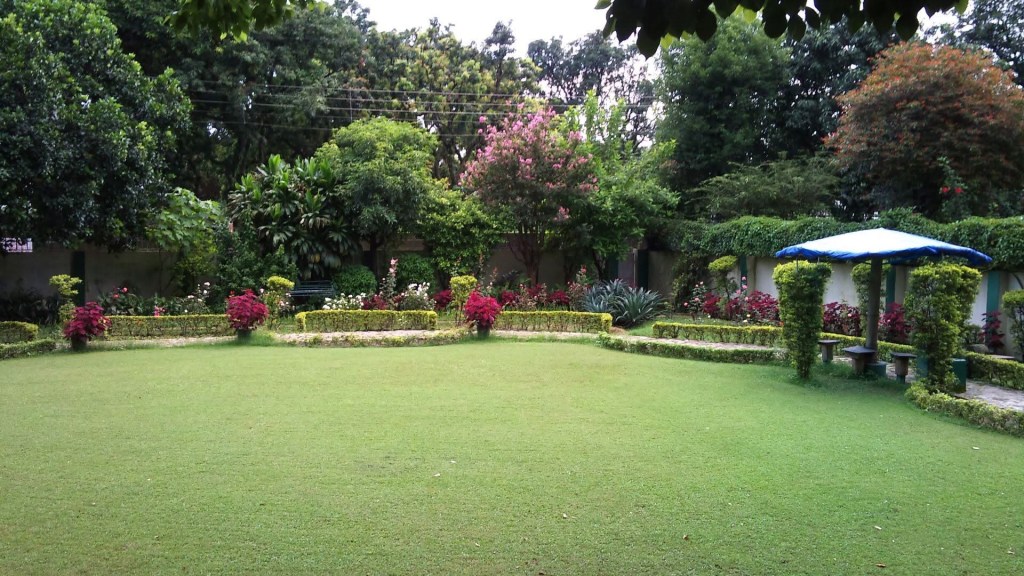
There, Dr. Lal bought a beautiful white-painted mansion on Curzon Road from a Muslim family eager to migrate to Pakistan. The house was a grand old structure with a silver tin roof, a majestic porch, pillared verandah draped in hanging orchids, and shining white chip-marble floors. The surrounding garden burst with fruit trees—litchi and mangoes—and meticulously tended flower beds of vibrant dahlias. The family cleverly burned garden waste in an incinerator to heat water, and they preserved litchi juice and jams to enjoy year-round.
Tall and striking at five feet eight inches, fair-skinned with sharp aquiline features, Dr. Lal always dressed in impeccable white attire. His jet-black dyed hair was combed back neatly, his face clean-shaven. His wife matched his elegance in graceful sarees; both spoke Hindi laced with a warm Punjabi accent that instantly made people feel at ease. They quickly became beloved in the community—affable, sociable, and generous.
He drove a vintage green Fiat, chauffeured by a soft-spoken, bespectacled bald driver who rarely spoke. The car, with its old-fashioned illuminated turn indicator rod, ferried him twice daily between home and his clinic in Moti Bazar, Dehradun’s bustling commercial heart. The clinic’s green signboard boldly declared “Doctor Harbans Lal.” Inside, it featured a waiting area where patients stood chatting (no chairs needed), a dispensary lined with shining labeled bottles and pills, and a large tapped jar of clear liquid.
Dr. Lal never sat still—he paced constantly, chatting with patients, selecting remedies, and dispensing them himself. Fees? Often nominal, or waived entirely. Many paid yearly after gentle persuasion, and the amounts were modest. His treatments were simple yet effective: a fizzy “fuzzy drink” from that jar mixed with water to soothe stomach issues from unfiltered water, white powders in neatly folded packets taken three times daily, small pills for various ailments. House calls were common—patients drove him, and he’d treat from home, with cars lining the driveway.
What truly set him apart was his humanity. His signature reassurance became legendary: “Koi gal hi nahi hai katai bhi“—”There’s no issue at all, not even a scratch. Don’t worry.” He’d say it softly, morning, noon, and night, calming anxious patients during exams or those trembling with fever.
Every Tuesday, beggars gathered outside his clinic. Using a long stick with a pin for hygiene, he’d spear fresh buns and hand them out one by one.
A hesitant beggar might approach. “Doctor Sahib…”
Dr. Lal would smile warmly. “Koi gal hi nahi hai katai bhi. Don’t worry, take it.”
The phrase soothed everyone—from the poorest to the most worried patient.
He and his wife raised four children in that loving home: Shashi, an educationist who worked at Welham School; Vijay (later known as Dr. VP Chopra), who became a renowned pathologist after studying at Amritsar Medical College, practiced from home, joined Peshin Nursing Home, rode a Java motorcycle in his youth, married an obstetrician from Agra, and earned a lifetime achievement award from the Indian Medical Association’s Dehradun branch; Rajesh, a gifted sitar player who translated parts of the Mahabharata into Sanskrit, assisted his brother in the lab, remained unmarried, and passed from a stomach ailment; and Prem, who became a helicopter pilot after the Indian Military Academy, married his classmate Pramila, and lived nearby.
One poignant moment came during the 1971 India-Pakistan war. With son Lieutenant Prem possibly on the front lines, a patient casually asked about him at the clinic. For the only time the narrator witnessed, a tear welled in Dr. Lal’s eye amid those tense blackout nights.
Dr. Harbans Lal lived a life of quiet service, blending sharp medical skill with profound kindness. He passed away years later from a myocardial infarction; as a young intern, the narrator helped lift his now-frail body from the ICU at Doon Hospital. His wife followed from pneumonia. Their legacy endures through family, the grand old house still standing, and memories of a doctor who made everyone feel there truly was “no issue at all.”
In tumultuous times, he chose resilience, compassion, and a new beginning—proving that even amid history’s storms, one person’s steady hand and reassuring words can heal far more than bodies.


 deemagclinic
 deemag and chest clinic