
Dr. VP Chopra—born Vijay on February 13 1941, in the pre-Partition era—grew up in the shadow of one of history’s greatest upheavals, carrying forward his father’s legacy of quiet, dedicated healing in the peaceful hills of Dehradun.
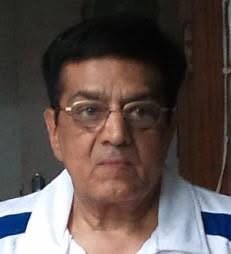
As a boy in Lahore, Vijay watched his father, the renowned homeopath Dr. Harbans Lal, treat patients with compassion and that unforgettable Punjabi reassurance: “Koi gal hi nahi hai katai bhi“—”There’s no issue at all, not even a scratch. Don’t worry.” When the 1947 violence forced the family to flee, young Vijay endured the long, fearful journey with his parents and siblings. They arrived in Dehradun, a serene hill town, where Dr. Harbans Lal rebuilt everything from scratch—buying a grand white mansion on Curzon Road and setting up his clinic in Moti Bazar.
Vijay grew into a tall, fair, sharp-featured young man, inheriting his father’s dignified bearing. After completing his medical studies at Amritsar Medical College, he chose pathology—a field demanding precision and behind-the-scenes reliability—rather than the more visible world of clinical practice.
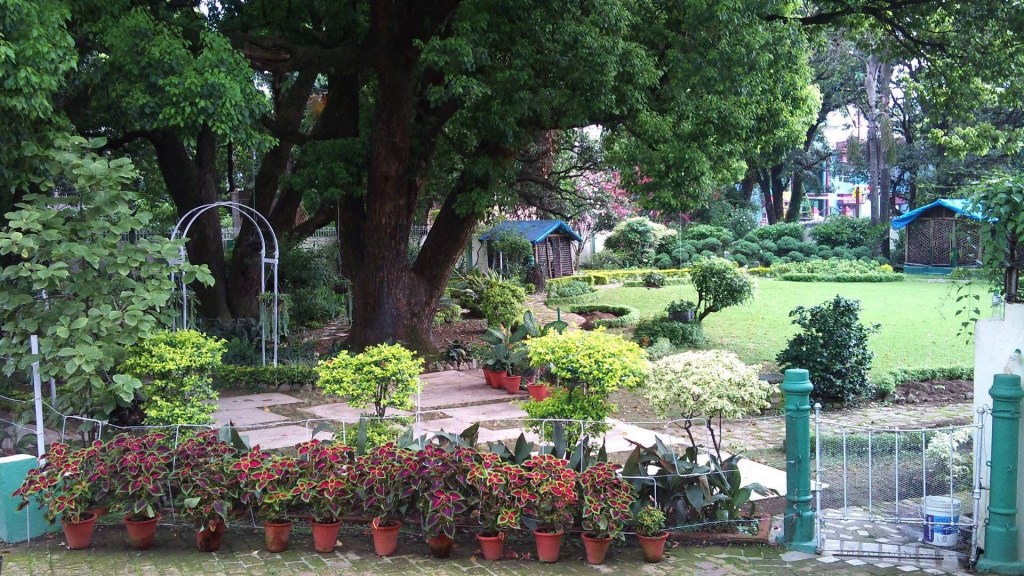
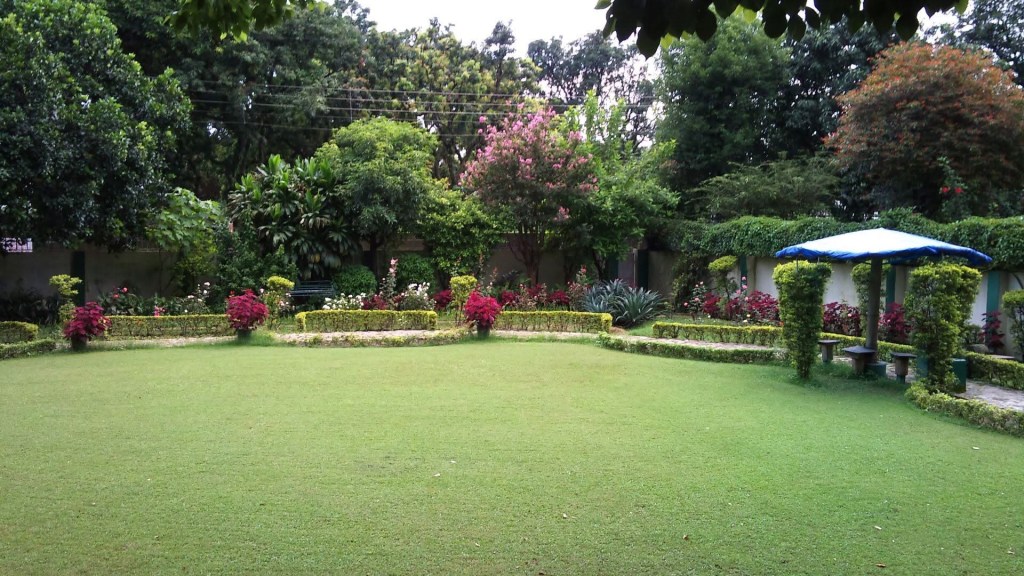
He started humbly, running his pathology lab from home in that same sprawling mansion with its silver tin roof, orchid-draped verandah, and garden heavy with litchi and mango trees. In the afternoons, he’d roar off on his loud Java motorcycle—locally nicknamed “Fatfatee” for its unmistakable racket—to visit Peshin Nursing Home. Neighbors smiled (and sometimes winced) as the engine echoed down the street.
“Vijay bhaiya is coming!” a child might shout, covering ears playfully. “There goes the thunder on two wheels!”
He married an obstetrician from Agra in a warm, traditional ceremony. The wedding baraat stayed at the elegant Hotel Rajput in New Delhi. Breakfast featured lavish European spreads—baked buns that turned out surprisingly hard. One guest later recalled standing on a counter to stack them, only to find them nearly unbreakable.
“These buns could break teeth!” someone joked amid laughter. “Better stick to the sweats on the way back.”
The couple returned to Dehradun, raising two children who later settled in Delhi. Vijay’s siblings remained close: sister Shashi, an educationist at Welham School; brother Rajesh, a gifted sitar player and Mahabharata translator who assisted in the lab until his untimely death from a stomach ailment; and youngest brother Prem, a helicopter pilot who lived next door with his wife Pramila.
In the lab, Dr. VP Chopra was meticulous. He introduced reliable pathological diagnostics to Dehradun at a time when advanced imaging like MRI or ultrasound was decades away. Surgeons depended on his accurate reports for safer procedures. He pioneered aspects of blood banking in the city, collaborating with colleagues to ensure timely results even when resources were limited.
One colleague remembered a conversation in the 1970s:
“Dr. Chopra, how do we keep surgeons from waiting?”
Vijay smiled calmly. “Our lab and blood bank mean no one waits anymore. Results come fast, lives are saved. Simple as that.”
His work earned deep respect. In later years, the Indian Medical Association’s Dehradun branch honored him with a lifetime achievement award—a fitting tribute to decades of service. He graced occasions like the inauguration of the deemag clinic in 1989 as chief guest, always gracious and understated.
Even in retirement, Dr. VP Chopra remained active—enjoying his evening tonic, attending Doon Club gatherings, and appearing at IMA events. The old Java motorcycle still sat at home, a nostalgic reminder of energetic days.
Through it all, he embodied the same reassuring spirit his father had passed down. In a city that grew from a quiet refuge to a bustling hub, Dr. VP Chopra was the steady hand behind the microscope—precise, dependable, and deeply kind—proving that healing often happens quietly, one accurate diagnosis and one calm word at a time.
His life, like his father’s, showed that even after the storms of Partition, resilience and service could build something enduring in the Himalayan foothills.


 deemagclinic
 deemag and chest clinic