
Dr. Atul Saraswat was my batchmate at SN Medical College, Agra, where you both pursued your MD in Medicine from around 1979 to 1989—a decade that shaped not just careers but lifelong friendships in the corridors of one of Uttar Pradesh’s oldest and most respected medical institutions.
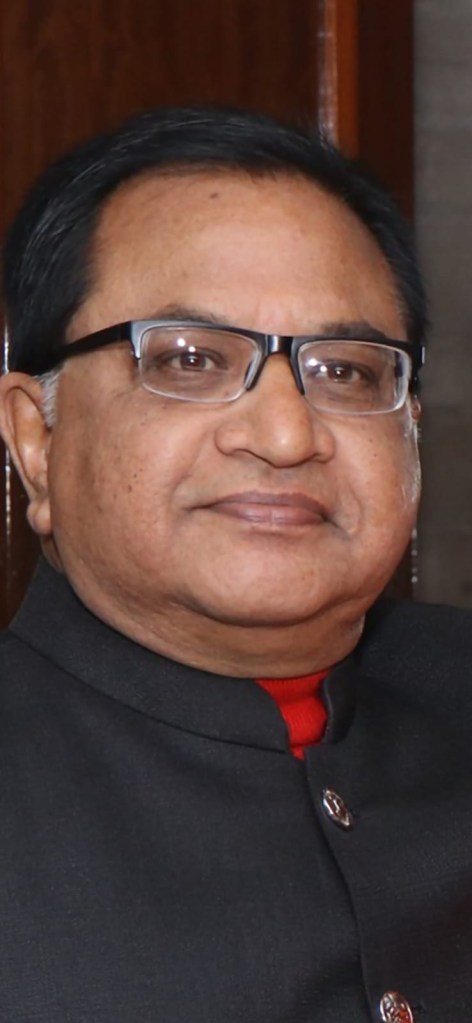
Picture this: the bustling campus in Agra, the smell of old books in the library, late-night discussions over chai about tricky cases, and the shared grind of postgraduate studies. You both were part of that intense, camaraderie-filled era when medicine was as much about passion as perseverance.
After completing his MD, Dr. Atul Saraswat, who was born on 7 Th march 1960 and who chose to stay rooted in Agra, building a long and respected career as a practicing physician. He dedicated decades to internal medicine, treating generations of patients with the same dedication he showed during those college days. Known for his sharp clinical acumen, calm demeanor, and genuine care, he became a go-to doctor for complex medical issues in the city.
What many people remember most about him, though, is his gift as a speaker. Whether at medical conferences, community health talks, or even informal gatherings, Dr. Atul has a way with words—clear, engaging, and often laced with humor or a poignant story from his vast experience. He could turn a dry topic like diabetes management into something everyone in the room connected with.
And then there’s the family side. His brother is a lawyer, adding an interesting dynamic to the Saraswat household—one sibling healing bodies in the clinic, the other fighting for justice in the courts. It’s the kind of sibling duo that quietly supports each other through life’s ups and downs, with stories swapped over family dinners about courtroom dramas or challenging diagnoses.
Here’s how a casual chat might go, imagining a reunion moment:
You: “Atul bhai, yaar, SNMC ke woh din… kabhi bhool nahi sakta. Tu toh hamesha lectures mein sabse acha bolta tha!”
Dr. Atul (with a warm laugh): “Arre PK, tu bhi toh wahi tha jo raat bhar cases discuss karta tha! Ab dekho, main abhi bhi patients ko samjhaane ke liye wahi style use karta hoon. Bas ab thoda zyada Hindi mix karta hoon—Agra ke logon ko English se zyada apni bhasha mein samajh aati hai. Aur tu? Abhi bhi utna hi active?”
You: “Haan bhai, lekin teri tarah speaker nahi ban paya. Tera bhai lawyer hai na? Ghar mein debate toh full-on hoti hogi!”
Dr. Atul: “Haan yaar, woh courtroom mein ladta hai, main OPD mein. Kabhi-kabhi dono milke cases solve karte hain—ek health ka, doosra legal ka! Life interesting hai, lekin dil abhi bhi wohi SNMC wala hai—patients ko theek karna aur thoda sa mauj masti.
Dr. Atul Saraswat (born March 7, 1960) chose to remain deeply rooted in Agra throughout his career, building a long and respected practice as a dedicated physician. A proud alumnus of S.N. Medical College, Agra, where he pursued his medical education and later MD in Medicine (roughly spanning the late 1970s to 1980s), Atul was known even then for his sharp intellect, commanding presence, and ability to captivate an audience.
One memorable moment from our student days came during a college debate organized on Leprosy Day, focused on the topic of vaccination for leprosy. The auditorium was packed—professors from every department had turned up, including the formidable Dr. B.D. Sharma and others. Atul was chosen as the lead speaker, while I (Dr. P.K. Gupta) was also among the participants. I had prepared meticulously, even visiting the Japanese Leprosy Mission for India (JALMA) right here in Agra to gather solid facts and insights.
When Atul took the stage, his booming voice filled the hall like thunder rolling over the Yamuna. He spoke with such conviction and clarity—gesturing emphatically, pausing for dramatic effect—that the entire audience, professors included, hung on every word. You could see heads nodding in agreement; even the sternest faces softened into impressed smiles. He delivered a masterful, persuasive argument that left no doubt about his natural oratory talent.
I followed soon after, presenting my well-researched points on leprosy control efforts and vaccination prospects. The judges appreciated the effort, and when the results were announced, Atul rightly claimed the gold medal for first place. I secured the second prize—silver medal territory. There was also a small cash award: a modest ₹10 for each participant (a sum fixed decades earlier, barely enough for a decent meal back then!).
After the announcements, I went hunting for my prize. First stop: the prize distribution table. No medal in sight. “Sir, the medals got lost somewhere in the passage of time,” came the sheepish reply from the office staff. “And the money? It needs the Principal’s sanction.”
Undeterred, I marched straight to the Principal’s office—Dr. S.S. Mishra himself. The room was crowded with a “huge contagion” of professors chatting away. I stumbled in, slightly out of breath, and blurted out:
“Sir, they are not giving me my ₹10 prize money!”
A ripple of surprise went through the room. Heads turned. Whispers started: “Who is this young man fighting for such a paltry sum?” Someone even chuckled quietly. But Dr. Mishra, ever fair and amused by the earnestness, listened patiently. After a brief pause, he nodded, reached for his pen, and sanctioned the amount from the contingency fund.
I walked out with my hard-earned ₹10 in hand—no medal, but a story worth far more. Atul, meanwhile, wore his victory with the same quiet confidence he carried into every lecture and patient interaction.
That day captured something essential about Atul: his ability to shine on the big stage without overshadowing others, and the shared camaraderie of our batch that turned even a small campus debate into a lifelong memory. It was one of many early signs of the dedicated, articulate doctor he would become—always rooted in Agra, always impactful in his chosen path.
Dr. Atul Saraswat represents that rare blend: a solid, no-nonsense MD physician who stayed true to his hometown roots, built a meaningful practice over decades, and used his natural eloquence to educate and inspire. To his batchmates like you, he’s not just a doctor—he’s a reminder of those formative years, the shared struggles, and the quiet pride of seeing a friend do well while remaining grounded and approachable. If you ever cross paths again in Agra, that old batchmate bond would spark up instantly!


 deemagclinic
 deemag and chest clinic