
Dr. Archana Sharma was a 40–42-year-old gynecologist (reports vary slightly on exact age) who ran Anand Hospital, a 45-bed facility in Lalsot, Dausa district, Rajasthan, together with her husband, Dr. Suneet Upadhyay. They had been married for about 15 years and had two young children. Archana was no ordinary doctor — she was a gold medalist in obstetrics and gynecology, had worked as an associate professor at a government medical college in Gandhinagar, and chose to serve in a smaller town where access to quality care mattered.
She was known among colleagues and patients as compassionate, skilled, and tireless. Long hours, night calls, complicated deliveries — she handled them with the quiet determination of someone who saw medicine as a calling, not just a profession.
The Fateful Day
On March 28, 2022, a 22-year-old pregnant woman named Asha Bairwa was brought to Anand Hospital in labor. She had a history of previous cesarean sections. During delivery, she developed severe postpartum hemorrhage (PPH) — a sudden, excessive bleeding that is one of the leading causes of maternal death worldwide and a well-recognized complication, even in the best-equipped hospitals.
Despite the team’s best efforts, Asha could not be saved.
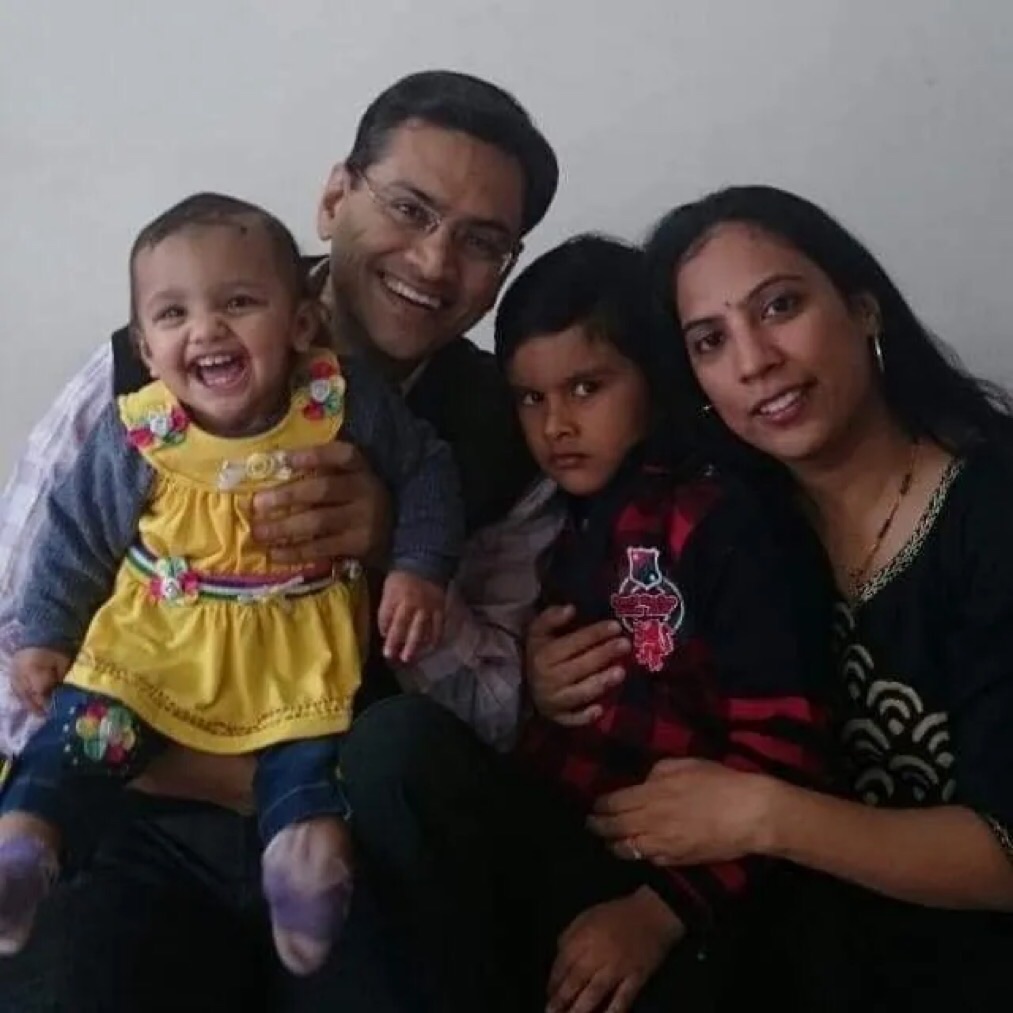
What should have been treated as a tragic but known medical outcome quickly spiraled. Relatives of the deceased gathered outside the hospital, raised slogans, and alleged negligence. A protest erupted with the body. Political elements reportedly got involved, and pressure mounted. The very next day, police at Lalsot station registered an FIR against Dr. Archana Sharma and her husband under Section 302 of the IPC (murder) — an extraordinarily grave charge for what medical experts later described as a complication, not criminal intent.
Archana was stunned. She had poured her heart into trying to save the young mother.
That evening and the following morning, the weight crushed her. She kept pacing, repeating to her family:
“What will happen if I land in jail… they will send me to jail.”
Her brother-in-law Pawan later recalled how disturbed she looked after seeing a local newspaper snippet about the murder case.
She loved her husband and children deeply. In quiet moments, she would tell her kids little stories or help with their homework even after exhausting shifts. Now, fear for their future consumed her.
On March 29, 2022, inside a room at the hospital she had built with so much hope, Dr. Archana Sharma hanged herself.
She left behind a suicide note that still echoes in the medical community:
“I love my husband and children a lot. Please do not harass them after my death. I did not commit any mistake, did not kill anyone. PPH is a known complication. Stop harassing doctors so much for this. My death may prove my innocence. DON’T HARASS INNOCENT DOCTORS. Please. Love you. Don’t let my kids feel the absence of their mother.”
Her words were a desperate plea — not just for herself, but for countless doctors who face similar situations.
Aftermath and Broader Context
The incident sparked outrage among doctors across India. Protests erupted, private hospitals in Dausa shut routine services, and the Indian Medical Association demanded protection. The Rajasthan government removed the Dausa SP and suspended the SHO. Several people, including a local BJP leader (Jitendra Gothwal) and relatives of the deceased patient (who had allegedly taken compensation earlier), were arrested on charges of abetment to suicide and extortion. Some reports mentioned prior demands or a “nexus” for money.
The case highlighted a painful reality in Indian healthcare: the thin line between genuine medical negligence and unavoidable complications, and how quickly emotions, politics, or external pressures can turn a tragedy into criminal persecution. Parliament even saw discussions on distinguishing negligence from complications to protect the doctor-patient ratio.
Dr. Archana Sharma was not the first doctor driven to despair by such harassment, and sadly, the issue of violence and legal overreach against medical professionals continues to be discussed.
Her story humanizes the immense stress doctors — especially those in smaller towns running their own setups — often carry silently. She tried her best until the end. Her death did not “prove” anything in the way she hoped; instead, it exposed systemic failures that leave healers vulnerable when outcomes go wrong despite their efforts.
May her soul rest in peace, and may her plea lead to more balanced, evidence-based handling of such cases — where compassion for the grieving family does not destroy the life of another healer trying to serve.
If you’re a doctor or someone supporting the medical fraternity, her note remains a stark reminder: “Don’t harass innocent doctors.” The profession needs better legal safeguards, mental health support, and societal understanding.


 deemagclinic
 deemag and chest clinic