
Disulfiram therapy is used to treat alcohol dependence by discouraging alcohol consumption through unpleasant physical reactions. Here’s what to expect, based on current medical understanding:
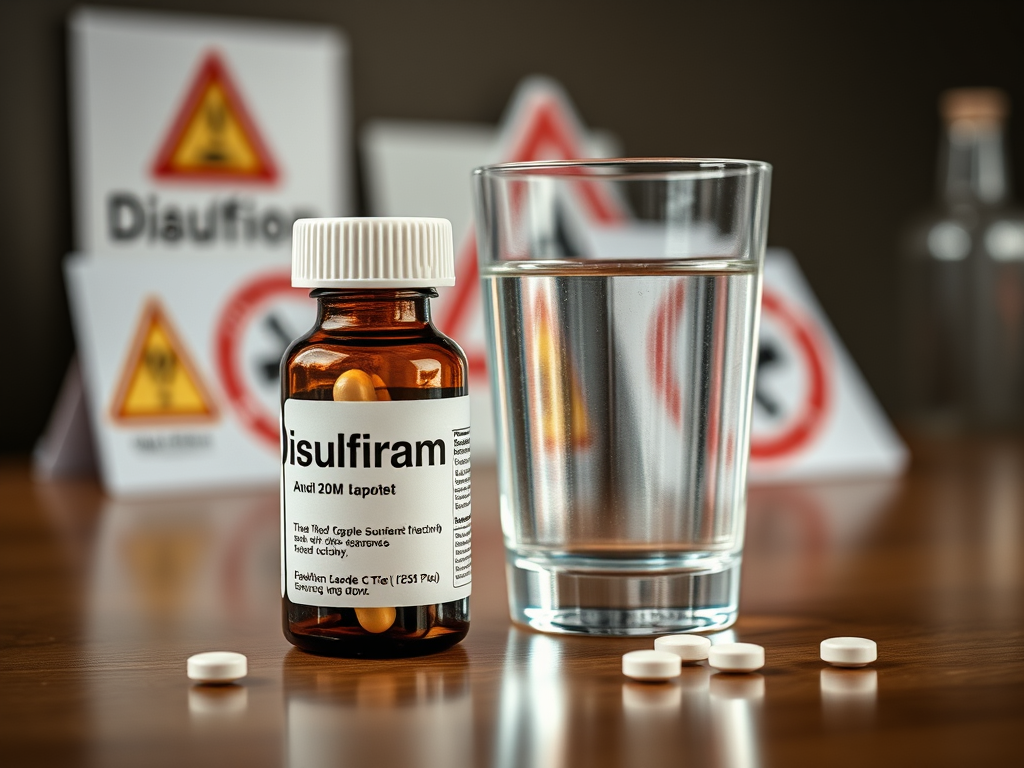
How Disulfiram Works
- Mechanism: Disulfiram (brand name Antabuse) inhibits the enzyme aldehyde dehydrogenase, causing acetaldehyde (a toxic byproduct of alcohol metabolism) to accumulate if alcohol is consumed. This leads to a severe reaction.
- Purpose: It acts as a deterrent, reinforcing the decision to avoid alcohol.
What to Expect During Therapy
- Initiation:
- Prescription: Disulfiram is typically prescribed by a healthcare provider after confirming alcohol abstinence for at least 12–24 hours.
- Dosage: Common doses are 250–500 mg daily, taken orally, often in the morning. Lower doses (e.g., 125 mg) may be used to minimize side effects.
- Medical Supervision: Therapy is most effective when combined with counseling or support programs (e.g., AA, therapy).
- Effects of Alcohol Consumption: If alcohol is consumed (even small amounts, including in foods, medications, or products like mouthwash), a disulfiram-alcohol reaction occurs within 10–30 minutes and may last several hours. Symptoms include:
- Flushing, sweating, and warmth
- Nausea and vomiting
- Chest pain, rapid heartbeat, or palpitations
- Difficulty breathing or hyperventilation
- Headache, dizziness, or weakness
- In severe cases: hypotension, arrhythmias, or unconsciousness
- Note: Reactions vary in intensity based on the amount of alcohol consumed and individual factors.
- Side Effects (Without Alcohol):
- Common: Drowsiness, fatigue, headache, metallic or garlic-like taste in the mouth, skin rash.
- Rare but serious: Liver toxicity (hepatitis), peripheral neuropathy, psychosis, or allergic reactions.
- Monitoring: Regular liver function tests are recommended due to potential hepatotoxicity.
- Lifestyle Adjustments:
- Avoid All Alcohol: This includes beverages, cooking ingredients (e.g., wine in sauces), medications (e.g., cough syrups), and products like hand sanitizers or perfumes containing alcohol.
- Read Labels: Check for alcohol in toiletries, foods, and over-the-counter drugs.
- Inform Others: Tell healthcare providers and close contacts about your therapy to avoid accidental exposure.
- Carry Identification: Some recommend carrying a card noting disulfiram use in case of medical emergencies.
- Duration:
- Therapy may last months to years, depending on treatment goals and progress in maintaining sobriety.
- Effects of disulfiram persist for up to 1–2 weeks after the last dose, so alcohol avoidance must continue during this period.
Benefits
- Deterrence: The fear of a reaction can strengthen commitment to sobriety.
- Support for Motivation: Works best for those committed to abstinence and engaged in a comprehensive treatment plan.
- Proven Efficacy: Studies show disulfiram is effective when taken consistently, especially under supervision (e.g., by a partner or clinic).
Risks and Considerations
- Not for Everyone: Contraindicated in people with severe heart disease, liver disease, psychosis, or hypersensitivity to disulfiram.
- Psychological Impact: Some may feel anxious about potential reactions or restricted by the need to avoid alcohol-containing products.
- Compliance: Effectiveness depends on regular use; skipping doses reduces deterrence.
- Emergencies: Severe reactions may require urgent medical care, including IV fluids, antihistamines, or supportive measures.
Practical Tips
- Work with a Doctor: Regular check-ins ensure safety and address side effects.
- Join Support Groups: Combining disulfiram with counseling or peer support boosts success rates.
- Plan for Triggers: Develop strategies to manage cravings or social situations involving alcohol.
- Emergency Plan: Know the nearest hospital and have contact information for your doctor in case of a reaction.
Who It’s For
Disulfiram is most suitable for:
- Individuals motivated to quit drinking and willing to avoid all alcohol.
- Those with a stable support system to encourage adherence.
- Patients without contraindicating health conditions.
Who Should Avoid It
- People with impulsive drinking habits who may not avoid alcohol reliably.
- Those with medical conditions like severe cardiac or liver disease.
- Pregnant or breastfeeding individuals, unless explicitly approved by a doctor.
Additional Notes
- Supervised Administration: Some programs involve a partner or clinician observing the dose to ensure compliance.
- Alternative Therapies: Other medications like naltrexone or acamprosate may be considered if disulfiram isn’t suitable.
- Cultural Context: In some regions, disulfiram is less commonly used due to preference for psychosocial interventions or other medications.
If you’re considering disulfiram, discuss with your healthcare provider to weigh benefits, risks, and alternatives. They can tailor the plan to your health needs and recovery goals. For real-time insights or experiences, I can search X posts or the web if you’d like—let me know!
The post provides detailed and relevant information on disulfiram therapy for alcohol dependence.
To enhance it further, consider the following actions:
1. **Add Personal Testimonials**: Including real-life experiences could make the content more relatable and engaging.
2. **Enhance Readability**: Break down complex medical terms or concepts for a broader audience.
3. **Visual Aids**: Incorporate infographics or charts to visually represent key information.
4. **FAQs Section**: Address common questions or concerns regarding disulfiram therapy to increase reader understanding.
5. **Call to Action**: Encourage readers to consult their healthcare providers or seek help, creating a more interactive conclusion.


 deemagclinic
 deemag and chest clinic