
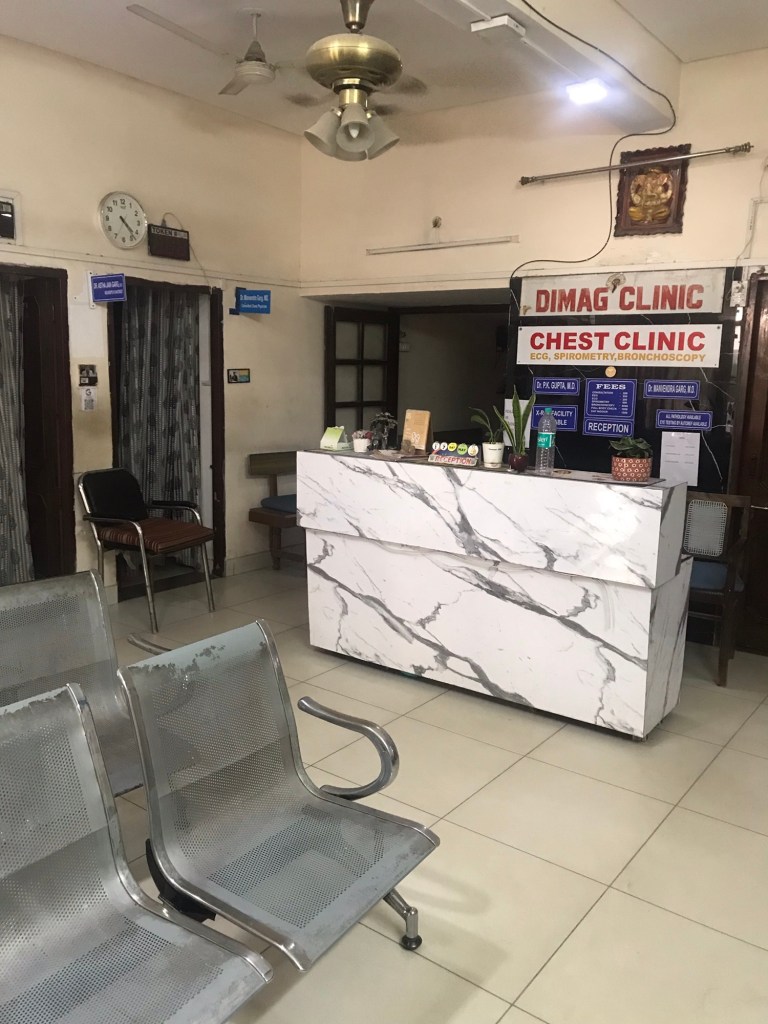
We are doing EEG on 24 channel clarity EEG machine.
An electroencephalogram (EEG) is a non-invasive test that records electrical activity in the brain using small electrodes placed on the scalp. It measures voltage fluctuations from ionic current flows within neurons, reflecting brain function in real time. EEG is widely used to diagnose conditions like epilepsy, sleep disorders, encephalopathies, and brain death, and to monitor brain activity during surgeries or in comatose patients.
Key Points:


- How It Works: Electrodes detect electrical signals produced by neuronal activity. These signals are amplified and displayed as waveforms on a computer.
- Applications:
- Diagnosing seizures and epilepsy.
- Evaluating sleep disorders (e.g., via polysomnography).
- Assessing brain activity in coma or brain injury.
- Researching cognitive processes (e.g., attention, memory).
- Brain-computer interfaces (BCIs) for controlling devices.
- Types:
- Routine EEG: Short recording (20-40 minutes) during rest or with stimuli (e.g., flashing lights).
- Ambulatory EEG: Continuous monitoring over days, often at home.
- Video EEG: Combines EEG with video to correlate behavior with brain activity.
- Intraoperative EEG: Monitors brain function during surgery.
- Procedure:
- Electrodes (metal discs or caps) are attached to the scalp with conductive gel or paste.
- Patients remain still, may be asked to perform tasks (e.g., hyperventilate), or sleep.
- Painless, with minimal risk (rare skin irritation).
- Limitations:
- Detects surface activity only, missing deeper brain signals.
- Sensitive to movement, muscle activity, or external electrical interference.
- Cannot pinpoint exact brain locations without additional imaging (e.g., MRI).
- Normal vs. Abnormal:
- Normal: Regular wave patterns (alpha, beta, delta, theta) varying by state (awake, asleep).
- Abnormal: Spikes, sharp waves, or slowing indicating seizures, lesions, or dysfunction.
Technical Details:
- Frequency Bands:
- Delta (<4 Hz): Deep sleep, brain injury.
- Theta (4-8 Hz): Drowsiness, meditation.
- Alpha (8-13 Hz): Relaxed wakefulness, eyes closed.
- Beta (13-30 Hz): Active thinking, focus.
- Gamma (>30 Hz): Higher cognitive processing.
- Electrode Placement: Typically follows the 10-20 system, a standardized method spacing electrodes relative to skull landmarks (e.g., nasion, inion).
- Signal Analysis: Quantitative EEG (qEEG) uses software to map brain activity or compare against normative databases.
Recent Advances (as of 2025):
- Wearable EEG: Dry-electrode headsets (e.g., Muse, Emotiv) enable home use for meditation, gaming, or neurofeedback.
- AI Integration: Machine learning enhances seizure detection and predicts cognitive states from EEG patterns.
- BCI Developments: EEG-based interfaces allow paralyzed individuals to control prosthetics or communicate (e.g., Neuralink-inspired research).
- Portable Devices: Smartphone-compatible EEGs improve accessibility in remote areas.
Risks and Considerations:
- Safe for most, including infants and pregnant women.
- Claustrophobia or anxiety may occur during long recordings.
- False positives/negatives possible; clinical correlation needed.
If you have a specific aspect of EEG (e.g., clinical use, research, or technology) you’d like to dive into, let me know!


![ERYRI [ Explore ! 08.03.26 ]](https://live.staticflickr.com/65535/55136149619_b136b59fb3_s.jpg "ERYRI [ Explore ! 08.03.26 ]")


 deemagclinic
 deemag and chest clinic