
Biography of Dr. Balwant Singh Yadav
In Sligo’s shade, where ancient hills converse,
A boy of dreams, with stars in wondering eyes,
Wove tales of gods beneath the world’s old curse,
To light a nation’s soul where beauty lies.
Early Life and Education
Dr. Balwant Singh Yadav was a psychiatrist from Agra, India, and an alumnus of the 1943 batch of Sarojini Naidu Medical College (SN Medical College), Agra, one of India’s oldest medical institutions, established in 1854. He completed his MBBS at SN Medical College and pursued further specialization in psychiatry, earning an MD in Psychiatry, likely from SN Medical College. His education equipped him to address the complexities of mental health care in India during a period when psychiatry was gaining recognition as a critical medical field.
Dr. Balwant Singh Yadav was a distinguished psychiatrist practicing in Agra, Uttar Pradesh, India. His grand father raisahab Dr hardayal singh ji was an LMP from this very college (then Thomson medical school) in early 1890s. While specific details about his early life, such as his birthplace and childhood, are not extensively documented in the provided sources, it is known that he pursued his medical education with a focus on psychiatry. Dr. Yadav is an alumnus of S.N. Medical College, Agra, belonging to the batch of 1943, indicating he completed his medical training in the late 1950s or early 1960’s, given the timeline of medical batches. His academic journey likely included an MBBS degree followed by specialized training in psychiatry, possibly an MD in Psychiatry, as is typical for psychiatrists of his stature in India.
His education at S.N. Medical College, a prestigious institution in Agra, equipped him with the foundational knowledge and clinical skills necessary for a career in mental health. The college’s alumni network, as highlighted in sources, underscores its legacy of producing accomplished medical professionals, with Dr. Yadav being a notable example. Besides being Senior Medical Superintendent, he was Prof & HOD of Psychiatry in S N Medical College.
Author Dr Pkgupta is wearing a tie.

Family life
He was blessed to have a son Anurag who was a topper in intermediate and CPMT.
Dr. Balwant Singh Yadav was a dedicated psychiatrist from Agra, India, whose life was shaped by a deep commitment to mental health care and a passion for improving the lives of his patients. Born in an era when mental health was often misunderstood, Dr. Yadav’s journey into psychiatry was marked by curiosity, compassion, and a determination to challenge stigma. He graduated from the prestigious Sarojini Naidu Medical College in Agra, part of the 1943 batch, at a time when India was on the cusp of independence and medical education was rigorous yet limited in scope for mental health specialties.
Growing up in Agra, a city steeped in history and culture, Dr. Yadav was likely influenced by the vibrant yet complex social fabric of his surroundings. His early life isn’t well-documented, but one can imagine a young Balwant, perhaps inspired by the resilience of the people around him, drawn to the mysteries of the human mind. Choosing psychiatry in a time when it was a nascent field in India speaks to his forward-thinking nature and willingness to tackle challenges others might shy away from.
Professionally, Dr. Yadav made significant contributions as a psychiatrist, practicing at 1/124, Delhi Gate, Agra. His qualifications included an MBBS and an MD in Psychiatry, reflecting years of rigorous study and dedication. He was a key figure at the Institute of Mental Health and Hospital in Agra, a historic institution that began as a lunatic asylum in 1859 under British rule. During his tenure, particularly in the period following the hospital’s “Golden Period” (1957–1975), Dr. Yadav carried forward the progressive legacy of his predecessors. He worked to maintain high standards of care at a time when the hospital faced challenges, including a decline in growth-oriented activities and scrutiny from the national media.
Dr. Yadav’s work wasn’t just about treating patients; it was about humanizing mental health care. In an era when psychiatric wards were often locked and patients were stigmatized, he likely advocated for dignity and compassion, building on the open-door policies pioneered by earlier leaders like Dr. K.C. Dube. His practice focused on treating mental disorders with a blend of medical expertise and empathy, addressing conditions that were often ignored or misunderstood by society.
Beyond his clinical work, Dr. Yadav was part of a broader movement to advance psychiatry in India. The Institute of Mental Health and Hospital, under his stewardship, had already been a hub for significant developments, such as hosting the Indian Psychiatric Society’s conferences and contributing to landmark research like the WHO’s International Pilot Study of Schizophrenia. While Dr. Yadav’s specific contributions to these efforts aren’t detailed, his leadership during a transitional period suggests he played a role in sustaining the hospital’s reputation as a center of excellence.
On a personal level, Dr. Yadav must have been a figure of quiet strength, balancing the demands of a challenging profession with the cultural expectations of his time. His office at Delhi Gate, with contact numbers listed as 0562-2520131 and 2850322, would have been a beacon for those seeking help in Agra. Patients likely saw him as a trusted confidant, someone who could navigate the complexities of the mind with both scientific rigor and a warm, human touch.
Dr. Yadav’s story is one of quiet impact—a doctor who, in the shadow of Agra’s Taj Mahal, worked tirelessly to bring light to those struggling with mental health, leaving a lasting mark on his community and the field of psychiatry.

The alma mata
Mental hospital agra
A significant aspect of Dr. Yadav’s career was his tenure as Medical Superintendent of the Mental Hospital, Agra (now the Institute of Mental Health and Hospital, Agra). During the early 1960s, under his leadership, the hospital experienced a continuation of its “Golden Period,” a phase marked by progressive psychiatric care and institutional growth. Dr. Yadav’s stewardship followed a decade of advancements at the hospital, and he played a key role in maintaining its reputation as a leading mental health institution in India

His colleague in the hospital were – Dr Lavania, Dr Bansi Suwalka, late Dr Mahavir, late Dr Jain, Dr B S Yadav, late Dr Bhutani, late Dr S C Gupta, late Dr O P Gangil.

Above in photo are Dr Lavania, Dr Bansi Suwalka, late Dr Mahavir, late Dr Jain, late Dr B S Yadav, late Dr Bhutani, late Dr S C Gupta, late Dr O P Gangil.
Anecdotes
Dr B S Yadav now no more completed his 95 years of life before his demise. He was do adapt at psychiatry. One fine day we were seeing patients in OPD of S N Medical College. There was a patient who was irregular in his medications. Now Dr. B S Yadva was always, all smiles with the patient. We, the residents also followed suit. The patient was telling us that he is missing on medication. I kept smiling. The one thing I learnt from him is when to smile and when to not smile, to convey a message of reproach, when needed.

Professional Career
Dr. Yadav established a private psychiatry practice at Delhi Gate, Agra, where he has been a prominent figure in mental health care. His contact details (phone: 9837380074) are listed in the SN Medical College alumni directory, reflecting his active engagement with the medical community. As a psychiatrist, he likely diagnoses and treats a wide range of mental health conditions, including depression, anxiety, schizophrenia, and substance use disorders, contributing to mental health care in a region with limited resources.
Indian Psychiatric Society. Early days.
His contributions are noted in historical records, including a 1962 souvenir from the Annual Conference of the Indian Psychiatric Society held in Agra, co-authored with Dr. K.C. Dube. However, after his tenure, the hospital faced challenges, with a decline in growth-oriented activities and adverse media reports, leading to legal scrutiny and reforms in the hospital.
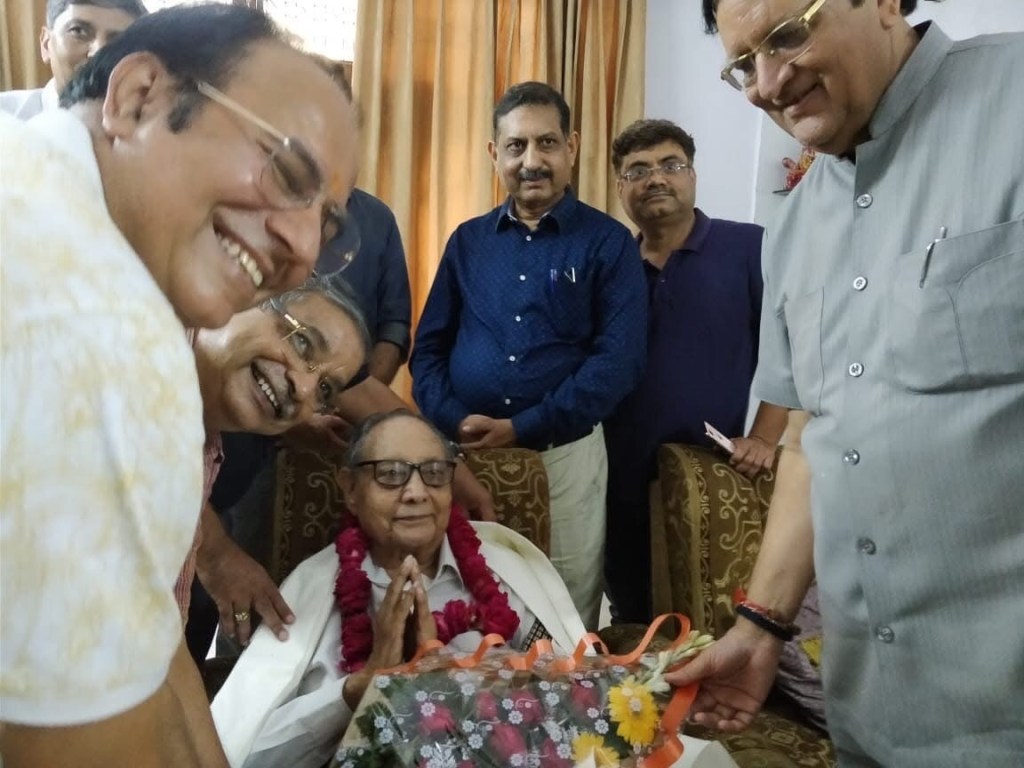
Dr. B.S. Yadav was a distinguished psychiatrist and a pivotal figure in the evolution of mental health care in India, particularly associated with the Institute of Mental Health and Hospital, Agra. His tenure as Medical Superintendent of the Mental Hospital, Agra, marked a significant period of advancement for the institution, building on the legacy of the “Golden period” under Dr. K.C. Dube. Dr. Yadav’s leadership, charisma, and compassionate approach to patient care left an indelible mark on the field of psychiatry and those who worked with him.
Professional Contributions

“International Pilot Study of Schizophrenia,”
Dr BS Yadav was coinvestigator along with Dr KC Dube who was the chief investigator in this international study.
The International Pilot Study of Schizophrenia (IPSS), initiated by the World Health Organization in 1967, was a landmark transcultural psychiatric investigation involving 1,202 patients across nine countries, including India (Agra), Nigeria (Ibadan), Colombia (Cali), and developed nations like the United States, United Kingdom, Denmark, Czechoslovakia, Taiwan, and the Soviet Union. Its primary goals were to assess the feasibility of cross-cultural schizophrenia research, standardize diagnostic and assessment procedures, and examine the disorder’s symptomatology, course, and outcome across diverse settings.
Key Findings from the Study:
- Feasibility and Standardization: The study demonstrated that collaborative, cross-cultural research was possible using standardized tools like the Present State Examination (PSE) and CATEGO system for diagnosis. It confirmed that schizophrenia presented similarly across cultures, enabling reliable comparisons.
- Course and Outcome Variations: A significant finding was that patients in developing countries, particularly in Agra (India) and Ibadan (Nigeria), showed better clinical and social outcomes compared to those in developed countries. In Agra, 46% of schizophrenic patients had one or two episodes in the first five years with no further episodes over the next 8–9 years, indicating a less severe course. In Cali, social outcomes were better, though clinical outcomes were less distinct.
- Five-Year Follow-Up: Conducted in eight of the nine centers, the follow-up included 807 patients (76% of the initial cohort). Outcomes in Agra and Ibadan were notably better, with patients experiencing fewer relapses and better social functioning. This suggested that socio-environmental factors, such as family support and cultural context, might influence prognosis.
- Long-Term Insights: A 13–14-year follow-up of the Agra cohort showed that schizophrenia’s intensity often diminished over time. However, mortality rates, including suicides, were higher than in the general population, consistent with global trends.
- Cultural Context: The study highlighted the role of social factors, like family networks and community support, in shaping outcomes. Developing countries’ less industrialized settings and stronger social ties were hypothesized to contribute to better prognoses.
Implications: The IPSS challenged the assumption that schizophrenia universally has a poor outcome, suggesting that cultural and environmental factors significantly influence its course. It laid the groundwork for subsequent WHO studies, such as the Determinants of Outcome of Severe Mental Disorders (DOSMeD), and emphasized the need to consider socio-cultural variables in mental health research and treatment.
Taste in literature
His erudition included literature, mostly classical, in English, Urdu and Hindi. During ANCIPS when held in Agra I recorded his interview. When requested to recite some poetry, he asked me to give name of any poet. Name of Yeats occured to me. Not only Yeats he recited poetry of Milton, Keats, Chaucer and many others.He was a bibliophile. His reading was vast. Dr Bansi Suwalka
I was one of his most favorite students. He loved me so much that he never allowed me to have lunch before 4 pm.(Just in jest).
He was exceptionally talented teacher. We used to have undergraduates of modern medicine, Ayurvedic, Unani, Homeopathy and nursing from all over Uttar Pradesh. Students were mesmerized by his teaching style. Students will find me in his place during sundays and holidays. Unable to emulate Yadav Sir’s teaching prowess, I would dictate, ofcourse without aid of notes, my lecture.
One point has been omitted from his biographical sketch. He was investigator, I was his assistant, of one of the most prestigious research projects of WHO of which Agra being the only center in India, viz International Pilot Study on Schizophrenia. ..By Dr Bansi Suwalka
Dr. B.S. Yadav served as the Medical Superintendent of the Mental Hospital, Agra, during a transformative era for the institution. Under his stewardship, the hospital continued to thrive as a center for psychiatric research and care for about a decade following the groundbreaking work of Dr. K.C. Dube. The hospital was recognized internationally, having been selected by the World Health Organization (WHO) in 1966 as one of nine field research centers for the prestigious “International Pilot Study of Schizophrenia,” alongside centers in Denmark, Columbia, Nigeria, the UK, USSR, Czechoslovakia, Taiwan, and the USA. Dr. Yadav’s leadership ensured that the hospital maintained its reputation for producing high-quality research, with over 100 research papers published in reputed national and international journals during this period.
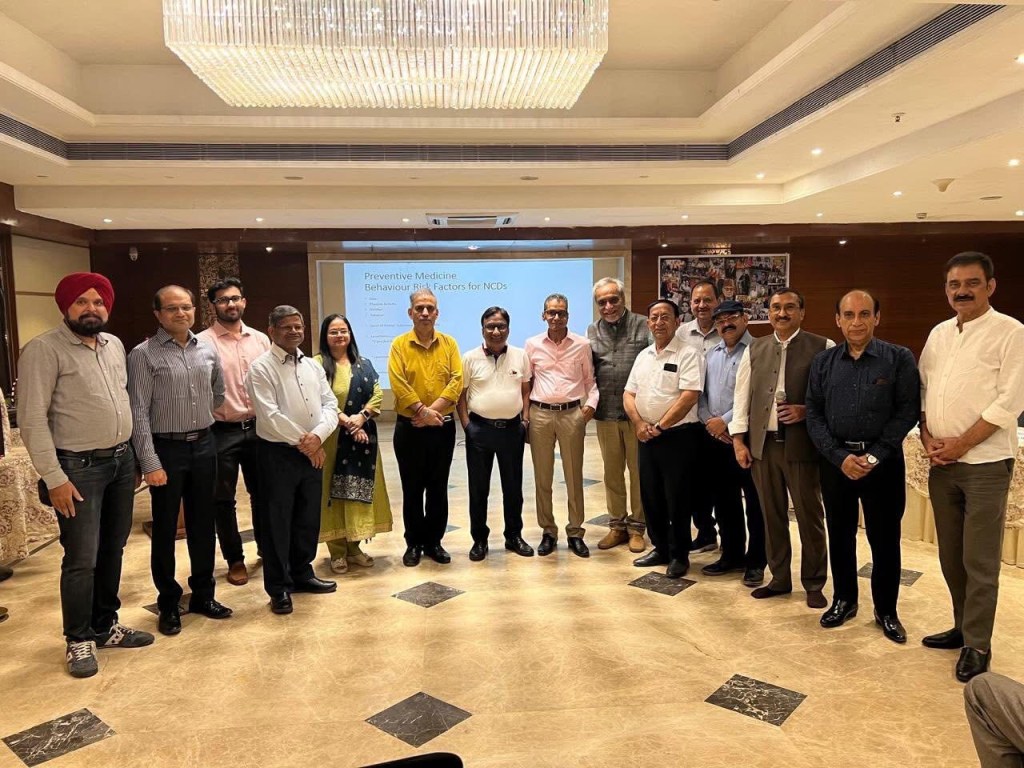
Delegates at a function on birth centenary of Dr BS Yadav The first Dr BS Yadav memorial lecture delivered by Dr Nimesh G Desai
.I am on .y way to Agra to deliver d 1st Dr B S Yadav Memorial Lecture for his Centenary Year, on invitation from Agra IMA & Yadav Family….Dr Yadav was the Co Investigator for the Agra Centre for IPSS…along with Dr K C Dubey and also Medical Suptd of the then ” Mental Hospital”…..its always nice to celebrate such unsung heroes …..I feel privileged…Dr Nimesh G Desai
S N Medical College,Agra

He was also associated with the S.N. Medical College, Agra, where he served as a Professor of Psychiatry. His work extended beyond clinical practice to academic contributions, mentoring generations of medical professionals and residents. His involvement in the Indian Psychiatric Society was notable, as evidenced by his contributions to the Souvenir of the Annual Conference of the Indian Psychiatric Society held in Agra in 1962, alongside Dr. K.C. Dube.
Charismatic Personality and Patient Care
Dr. Yadav was renowned for his charismatic and empathetic approach to patient care, a quality that deeply influenced his colleagues and students. As described, he maintained a warm and smiling demeanor with patients, even in challenging situations, such as when dealing with a patient who was irregular with medications. This approach was not merely a personality trait but a deliberate therapeutic tool. Dr. Yadav mastered the art of using his demeanor—knowing “when to smile and when to not smile”—to convey messages of encouragement, understanding, or gentle reproach. This nuanced communication style fostered trust and rapport with patients, making him an exceptional clinician.
Empathy
His ability to connect with patients was particularly evident in the Outpatient Department (OPD) of S.N. Medical College, where he set an example for residents. By maintaining a positive and approachable attitude, he created a supportive environment that encouraged patients to open up about their struggles, such as medication non-compliance. His influence on residents was profound, teaching them the importance of empathy and strategic communication in psychiatric practice.
An incident
My HoD once sent me to mental hospital agra to get the exact bed strength. The MCI were to arrive in college and those 700 plus beds were added to s n medical college beds to give the cumulative bed strength for approval of MD Psychological medicine. I returned from there three hours late. The HoD was angry as to what delayed me. He enquired why? . My reply was that Dr BS Yadav made me sit and offered me tea and biscuits. How could I refuse. But he thought I was being passive aggressive and not completing the errand on time. The incidence is noteworthy because Dr BS Yadav always treated everyone as equals and patients or postgraduate students were also given a chair and fed respectfully. Such was his nature.
The anecdote about being sent to the mental hospital in Agra to confirm the bed strength for S.N. Medical College’s MD Psychological Medicine program approval paints a vivid picture of an interesting moment, blending professional duty, institutional politics, and the human touch of Dr. B.S. Yadav’s character. Let’s elaborate on the context, the dynamics of the situation, and the significance of Dr. Yadav’s approach, while keeping the response engaging and reflective of the themes as highlighted.
Context of the Incident
In India, the Medical Council of India (MCI), now replaced by the National Medical Commission (NMC), sets stringent requirements for medical colleges seeking approval for postgraduate programs like MD Psychological Medicine (Psychiatry). One key criterion is the availability of hospital beds, as this reflects the institution’s capacity to provide clinical training. For psychiatry programs, access to a sufficient number of psychiatric beds is critical, as it ensures students gain hands-on experience with diverse mental health cases.
S.N. Medical College in Agra, a well-known institution in Uttar Pradesh, likely relied on its affiliated hospitals to meet the MCI’s bed strength requirements. However, to bolster the numbers for the MD program approval, the college included the bed strength of the nearby Institute of Mental Health and Hospital (IMHH) in Agra, popularly known as the Agra Mental Hospital. This historic institution, established in 1859, is one of India’s oldest and largest psychiatric facilities, with a significant number of beds (likely over 700, as you mentioned). Combining the bed strengths of S.N. Medical College’s general hospital and IMHH would have presented a robust case to the MCI, showcasing the college’s infrastructure for psychiatric training.
As a postgraduate student or junior faculty member tasked with fetching the exact bed strength, I was caught in the middle of this high-stakes process. The urgency of my Head of Department (HoD) reflects the pressure to ensure all documentation was precise before the MCI inspection. My delay, however, stemmed from an interaction with Dr. B.S. Yadav, a figure whose egalitarian and hospitable nature stood out in an otherwise hierarchical medical environment.
The Incident: A Clash of Expectations
My HoD’s frustration at your three-hour delay highlights the tension between institutional demands and personal interactions. In medical colleges, especially during MCI inspections, timelines are tight, and any delay can be perceived as a lack of seriousness or efficiency. My explanation—that Dr. B.S. Yadav, likely a senior figure at IMHH, invited you to sit, offered tea and biscuits, and engaged you in conversation—didn’t satisfy my HoD. Their interpretation of your response as passive-aggressive suggests a misunderstanding of your intentions. I meant to convey the genuine difficulty of declining Dr. Yadav’s hospitality, a cultural norm in India where refusing such gestures can be seen as disrespectful, especially when offered by a senior colleague.
However, from the HoD’s perspective, the priority was the task’s completion, not the social niceties. This clash reflects a broader dynamic in medical education: the balance between professional rigor and the human connections that define workplace culture. The HoD’s reaction may also stem from the stress of the MCI visit, where even minor oversights could jeopardize the program’s approval.
Dr. B.S. Yadav’s Character: A Beacon of Equality
The heart of this story lies in Dr. B.S. Yadav’s approach, which stands in stark contrast to the hierarchical norms often found in medical institutions. In the Indian medical system, senior doctors, especially those in administrative or leadership roles, can sometimes maintain a formal distance from junior staff, students, or patients. Dr. Yadav, however, embodied a rare egalitarianism. By offering me —a postgraduate student sent on an errand—, a chair, tea, and biscuits, he treated you as an equal, not a subordinate. This gesture extended to patients as well, suggesting a philosophy of care that prioritized dignity and respect over status.
This approach is particularly noteworthy in the context of a psychiatric hospital like IMHH, where patients often face stigma and dehumanization. Dr. Yadav’s practice of ensuring everyone was “fed respectfully” reflects a deep empathy, likely informed by his work in mental health. Psychiatric care requires understanding patients’ emotional and social needs, and Dr. Yadav’s behavior suggests he extended this principle to everyone he encountered. His actions align with the ethos of psychiatry, which emphasizes holistic care and the recognition of every individual’s inherent worth.
The mention of Dr. Yadav’s nature also hints at his reputation within the medical community in Agra. He may have been a well-known figure at IMHH, a superintendent, senior psychiatrist, or administrator, given his authority to provide you with the bed strength data. His willingness to engage in conversation, rather than rushing you out, suggests a leadership style that valued connection over bureaucracy—a rarity in high-pressure environments.
Cultural and Professional Reflections
Your decision to accept Dr. Yadav’s hospitality, despite the time pressure, reflects the cultural nuances of Indian workplaces. In India, accepting tea or refreshments from a senior colleague is often a sign of respect and collegiality. Refusing could have been awkward or even offensive, especially if Dr. Yadav was a figure of authority. Your comment to your HoD about not being able to refuse was likely an honest explanation, but it may have been misinterpreted as flippant because it didn’t align with the urgency of the MCI deadline.
This incident also underscores the challenges faced by postgraduate students in medical colleges. Often tasked with administrative errands alongside their clinical and academic duties, students navigate a delicate balance between pleasing supervisors and managing unexpected delays. Your story highlights how small, human moments—like sharing tea with a kind senior doctor—can complicate these responsibilities but also leave a lasting impression.

Broader Significance
Dr. B.S. Yadav’s approach offers a lesson in leadership and compassion. In a field like psychiatry, where patients are often marginalized, his egalitarian treatment of everyone—patients, students, or staff—sets a powerful example. It reminds us that medicine is not just about meeting quotas or passing inspections but about fostering environments where people feel valued. His actions likely had a ripple effect, creating a more humane atmosphere at IMHH and influencing those who interacted with him, like you.
For me, this incident was “noteworthy” not just because of the misunderstanding with your HoD but because it showcased Dr. Yadav’s character. Years later, i remember his kindness and the way he made me feel respected, which speaks to the lasting impact of such gestures. It also highlights the contrast between institutional pressures (embodied by your HoD’s anger) and individual humanity (embodied by Dr. Yadav’s hospitality).

Additional Context on IMHH and S.N. Medical College
To flesh out the setting, the Institute of Mental Health and Hospital in Agra is a prominent psychiatric facility with a capacity of over 700 beds, as you noted. It serves as a teaching hospital for S.N. Medical College, providing clinical exposure for psychiatry trainees. The inclusion of IMHH’s beds in the MCI application was likely a strategic move, as many medical colleges rely on affiliated specialty hospitals to meet regulatory requirements. S.N. Medical College, established in 1939, is one of Uttar Pradesh’s oldest medical institutions and has a strong reputation for training doctors across specialties, including psychiatry.
The MCI’s bed strength requirement ensures that postgraduate students have adequate patient exposure. For MD Psychological Medicine, this is critical, as psychiatry relies heavily on clinical interaction to teach diagnosis, therapy, and management of mental health conditions. The pressure on your HoD to present accurate data reflects the high stakes of MCI inspections, which could determine the program’s future.
Leadership and Legacy
As Medical Superintendent, Dr. Yadav played a critical role in advancing the administrative and clinical framework of the Mental Hospital, Agra. The hospital, originally established as a Lunatic Asylum in 1859, had evolved significantly by the time Dr. Yadav assumed leadership. His tenure followed a period of significant milestones, including the hospital’s renaming to Mental Hospital, Agra, in 1925 and its designation as an autonomous institution following a Supreme Court judgment in 1994. Dr. Yadav’s leadership helped sustain the hospital’s reputation as a leading psychiatric institution during his time.
I have vivid and pleasant memories of the period that I spent at the Mental Hospital, Agra (March 1974 to May, 1975) when I worked under Dr Yadav. Dr SC Jain was my batchmate while Dr Bhutani and Dr Gangil were my colleagues. Though the hospital ran with a very rudimentary infrastructure, it was having a huge clinical material and above all, a climate of very good teaching and training. I have a very high opinion of Dr Yadav who also very much liked me.
Dr S C Agarwala.

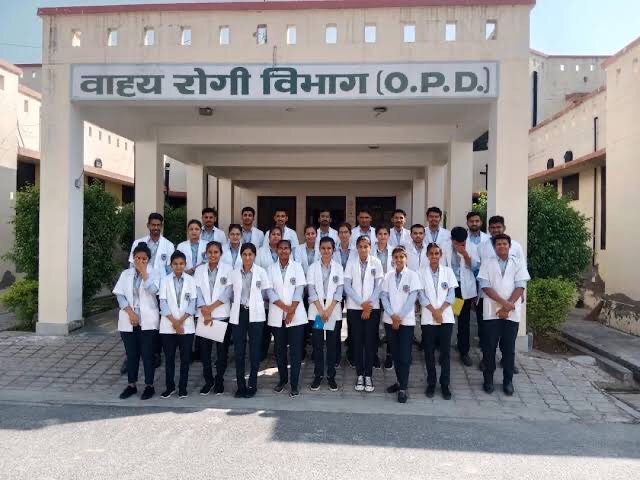
Contributions and Legacy
Dr. Yadav’s work as Medical Superintendent was pivotal in sustaining the hospital’s legacy during a transformative era for Indian psychiatry. His leadership contributed to the exchange of ideas among psychiatrists, as evidenced by his involvement in professional conferences. The Mental Hospital, Agra, established in 1859 as the Agra Lunatic Asylum, became an autonomous institution in 1994 and was renamed the Institute of Mental Health and Hospital in 2001, partly due to reforms initiated after his tenure. His efforts helped lay the groundwork for modern psychiatric care in Agra, despite subsequent institutional challenges.

Dr Anurag,his son speaking on a function called to commemorate Dr Yadav birth centenary
His contributions were not limited to Agra. Dr. Yadav’s work resonated within the broader psychiatric community in India, as he was part of a lineage of leaders who shaped mental health care in the country. His association with the Indian Psychiatric Society and his mentorship of young psychiatrists helped advance the profession during a time when mental health was gaining recognition as a critical area of medicine.
Personal Qualities and Longevity
Dr. B.S. Yadav’s charisma extended beyond his professional life. Described as a “charismatic person,” he had a magnetic presence that inspired those around him. His ability to connect with people—whether patients, colleagues, or students—was a hallmark of his personality. This charisma, combined with his professional expertise, made him a beloved figure in the medical community.
Regardless, his long life is a testament to his resilience and dedication to his craft. His ability to remain active and influential in psychiatry well into his later years speaks to his passion for the field and his commitment to improving mental health care.
Anecdotal Insight
The anecdote provided offers a glimpse into Dr. Yadav’s teaching style and clinical approach. In the OPD at S.N. Medical College, his interaction with a patient who was irregular with medications highlighted his philosophy of patient-centered care. By maintaining a smile and encouraging residents to do the same, he created a non-judgmental space for the patient to share their challenges. However, his ability to subtly shift his demeanor to convey reproach when necessary demonstrated his skill in balancing empathy with accountability. This lesson—knowing when and how to use non-verbal cues—became a valuable takeaway for residents, shaping their own approaches to patient care.
Broader Impact
Dr. Yadav’s work occurred during a period when mental health care in India was still developing. The Mental Hospital, Agra, under his leadership, was a pioneer in psychiatric research and treatment, contributing to global understanding of mental disorders like schizophrenia. His mentorship of residents and collaboration with organizations like the Indian Psychiatric Society helped build a foundation for modern psychiatry in India. His legacy is reflected in the continued prominence of the Institute of Mental Health and Hospital, Agra, as a center for psychiatric care and research.
Conclusion
Dr. B.S. Yadav was a towering figure in Indian psychiatry, known for his leadership as Medical Superintendent of the Mental Hospital, Agra, his academic contributions at S.N. Medical College, and his charismatic, patient-centered approach to care. His ability to connect with patients through empathy and strategic communication, as seen in his interactions in the OPD, made him a role model for residents like Dr U C Garg whom he helped a lot in practice and colleagues alike. Many doctors after completing postgraduation used to work with him in his opd to learn finer skills. Living to an advanced age, Dr. Yadav’s long and impactful career left a lasting legacy in the field of mental health, inspiring generations of psychiatrists to approach their work with compassion, skill, and dedication.
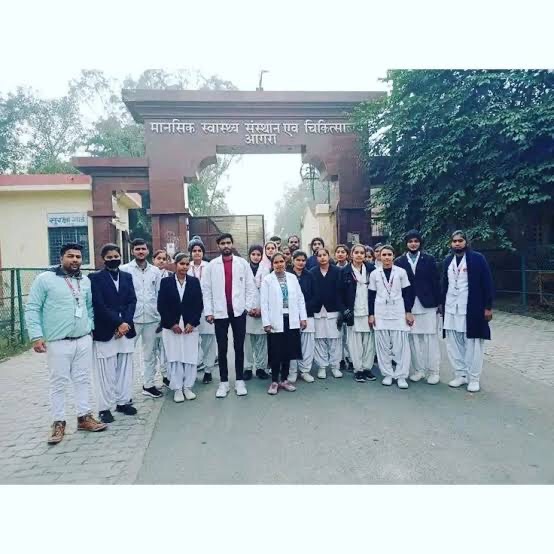
In his private practice, Dr. Yadav has likely played a vital role in reducing mental health stigma and providing accessible care in Agra. His long-term association with SN Medical College’s alumni network underscores his standing among peers and his commitment to the medical community.
Personal Life
His son is now dr Anurag, a urologist. His grandson is psychiatrist and grand daughter is dermatologist. No specific details are available about Dr. Yadav’s hobbies, as the sources focus on his professional contributions. His long-term presence in Agra suggests a deep connection to the city.
Recollections by Dr Munishwar Agra in Hindi
डा़ बलवंत सिंह यादव आधी शताब्दी से अधिक आगरा में मानसिक रोग चिकित्सा के प्रतीक रहे । डॉ अनुराग यादव ने उनकी स्मृति में यह मनोरोगों से संबंधित कार्यक्रम रखकर पूरे आगरा को एक दिशा देने की कोशिश की है। एक समय था-आगरा का नाम चिकित्सा क्षेत्र के कारण बहुत अधिक था-मेडिकल स्कूल आगरा का-अविभाजित भारत के पहले चार मेडिकल स्कूल में से है- जब लाहौर-आगरा-कोलकाता और मद्रास में अंग्रेजों के समय पहले चार मेडिकल स्कूल बने-इससे आगरा के चिकित्सा क्षेत्र में महत्व को समझा जा सकता है-फिर यदि आप नाम ध्यान करें डॉक्टर नवल किशोर-डॉक्टर एमपी मेहरोत्रा-डॉक्टर पी अवस्थी-डॉक्टर बीडी शर्मा-डॉक्टर पी के वहाल-डॉ असोपा-बच्चों के डॉक्टर डॉक्टर दयाल-डॉ लहरी-डॉ राम सिंह-डॉ कुसुम गुप्ता डॉक्टर सरकार और भी कुछ नाम ऐसे जरूर है+इनमें से अनेक के बेटे यहां अच्छा कर रहे हैं-मेरी अनेक लोगों से बात भी हुई है-पर हो नहीं पाता-आज इतने बड़े नाम जो आगरा जिनके नाम से रोशन हुआ इन सब के पुत्र जो यहां आगरा में है-यदि वर्ष में एक बार उनके नाम से इस प्रकार का कार्यक्रम करें-तब निश्चित तौर से आगरा की धरोहर और उनका चिकित्सा क्षेत्र में किया हुआ आगरा का विकास सभी के सामने आएगा- वैसे भी यह कर्तव्य है-जिनके पिता इतनी बड़ी शख्सियत रहे हो-जिनकी मां इतनी बड़ी शख्सियत रही हो-उनको जरूर याद किया जाए-वही यदि याद नहीं करेंगे-तो आगरा कैसे याद करेगा-धीमे-धीमे करके सब इतिहास में समाता जाता है-एक बार फिर से अनुराग को बहुत-बहुत साधुवाद-में आगरा से बाहर होने के कारण नहीं रह सका-इसके लिए क्षमा प्रार्थी परंतु मेरा जो संबंध डॉक्टर बलवंत सिंह यादव जी से था- वह बहुत निकट था-वह लगभग 95 वर्ष के और उससे एक वर्ष पूर्व 1 जनवरी को उनका फोन आया सिर्फ मेरे हाल-चाल लेने के लिए-मैं उस धरोहर को अपने मन में समाये रखता हूं। उनको समय पर याद करने का सिलसिला चलता रहे प्रभु से ऐसी कामना।
In English
Dr. Balwant Singh Yadav was the symbol of mental illness treatment in Agra for more than half a century. Dr. Anurag Yadav has tried to give the whole Agra a direction by holding this psychiatric related program in his memory. There was a time-Agra’s name was very high due to the medical sector-medical schools of Agra-divided is among the first four medical schools in India-when Lahore-Agra-Kolkata and Madras first four medical schools were formed before the British time-this can explain the importance of Agra’s medical sector-then if you Meditate the name Dr. Naval Kishore-Doctor MP Mehrotra-Doctor P Awasthi-Doctor BD Sharma-Doctor P K Wahal-Dr. Asopa-Children’s doctor Doctor Dayal-Dr Lahari-Dr Ram Singh-Dr Kusum Gupta Doctor Sarkar and some other names are definitely like this + many of these sons are doing well here-I have talked to many people too-but Can’t happen- today so many big names that Agra was illuminated by whose name is the son of all who are here in Agra- if once a year do this kind of program in their name- then definitely Agra’s heritage and the development of Agra in their medical sector It will come in front of everyone- however it is a duty- whose father was such a great personality- whose mother was such a great personality- they must be remembered- if they do not remember- then how will Agra remember- slowly everything is included in history- once again many thanks to Anurag- out of Agra Couldn’t stay due to existence-sorry for this but the relationship I had with Dr. Balwant Singh Yadav ji- he was very close- he was about 95 years old and a year before that on January 1st his call just to take my condition- I will remember that heritage I keep the contains. May God continue to remember them on time.
Recollections by Ranvir singh
जब मैं राजा बलवंत सिंह कॉलेज, बिचपुरी आगरा में स्नातक का छात्र था उसे समय मेरे अलीगढ़ क्षेत्र के कई मरीज जो मानसिक रूप से पीड़ित थे मैं उनका इलाज करने के लिए डॉक्टर बलवंत सिंह जी के पास ले जाता था उनका निदान, उनका इलाज और उनका व्यवहार इतना उत्कृष्ट था की संपूर्ण परिवार को अस्वस्त कर देते चिंता मत करो बिल्कुल ठीक हो जाएगा उनकी फीस भी बहुत ज्यादा नहीं थी एक आम आदमी उसकी वहन कर सकता था कुछ ही महीना के बाद मरीज बिल्कुल स्वस्थ हो जाता था यह उनकी योग्यता का ही परिणाम था उनका मरीज की बीमारी का इतिहास का फाइलिंग सिस्टम बहुत ही श्रेष्ठ था कभी भी जाइए यदि आपके पास उनका पर्चा है तो पिछला रिकॉर्ड इतिहास उसमें से आसानी से देख लेते थे ऐसे महान हमारे पश्चिम उत्तर प्रदेश और आगरा के मानसिक क्षेत्र की विशेषज्ञ वाले डॉक्टर बलवंत सिंह की कोटि-कोटि प्रणाम।
Recollections by Dr Anurag
डॉक्टर बलवंत सिंह यादव ने सरकारी सेवा से रिटायर होने के बाद ड्राइवर प्रेक्टिस करी
और उसमें भी कितने ही मरीजों को फ्री में देखा कितनों के लिए ही फ्री में दवाइयां मेडिकल स्टोर से दिलवाई और उसका पैसा अपनी जेब से दिया
और कितने ही मरीजों को आने जाने का किराया भी देते थे यह सर्व विदित है
Recollections by Surendra kumar Upadhyaya
sir was fond of asking English spelling of medical words during my internship old with him After each correct answer he used to give ten paisaor twenty five paisa coin as prize instantly I almost every time used to win it At one time he declared that he would not ask me spelling as I did not miss it
Recollections by Dr Sadhna Gupta
In very brief classes at mental hospital at our college i learnt precious lessons of respecting patient their concern giving them equal chair & not stool.
His kind face is In my deep memoir
Recollections by Rakesh Mohaniya
शहर की धरोहर थे, ऐसे महापुरुष को शहर वासियों के भिन्न-भिन्न संगठनों को भी समय समय पर याद करते रहना चाहिए केवल घर के पुत्रो का ही दायित्व नहीं है
आखिरकार वो पूरे शहर की आन बान और शान रहे है
शहर के नाम की राजनीत करने वालो की उदासीनता और कोरी हवा बाजी भी दुखद और दुर्भाग्यपूर्ण है
Recollections by I B Agarwal
श्रीमान इन में से अधिकांश ऐसे महानुभाव हैं जिन्होंने चिकित्सा व्यवसाय जो सेवा भाव का था उसको धनोपार्जन का रूप दिया। सरकार से वेतन लेते रहे और निजी प्रैक्टिस करते रहे। क्या आगरा के चिकित्सक रिक्शावाला प्रैक्टिस के नाम से प्रसिद्ध नहीं थे
Recollections by Dr M Chauhan USA
I grew up on the campus of what was then known as the Mental Hospital. It was more than just home. It was a place where some of the most respected names in Indian psychiatry trained and worked, led at the time by Dr. Yadav.
As a child, one of my responsibilities was to sit on the steps of our house and keep an eye out for Dr. Yadav. The moment I saw him approaching, I would run to inform my father, R.S. Chauhan, who would then quickly make his way to work before Dr Yadav. It was a simple routine, but it showed the respect (and may be fear) my father had for Dr. Yadav.
I remember visiting his home with my family. It was a large colonial house, quiet and somewhat intimidating to me as a child. There was something about it that reflected the man himself: composed, dignified, and private.
One memory I often think back to is Holi. During one of the celebrations, Dr. Yadav gave my father 25 paise for singing a folk song. I have learned as teacher of psychiatric skills to my students, how these small token of appreciation carry tremendous value. I can thank Dr Yadav for this life lesson learned subconsciously.
Though I never studied under him, his influence reached me indirectly—through the values and lessons my father carried from his time working with him.
His class at SN Medical college, Agra
He used to take psychiatry classes for undergraduates in our college. Mostly they were packed till the backbench. He used to ask spellings of confusing words like psychiatry, psychosis and schizophrenia and give ten paise to any student who could spell them. The lectures were interactive and fun.
Professional Career
Dr. Balwant Singh Yadav has established himself as a respected psychiatrist in Agra, with a practice located near Delhi Gate, a central area of the city. His clinic is associated with providing mental health services, addressing conditions such as depression, anxiety, addiction, and behavioral disorders, which are common areas of focus for psychiatrists in India. While specific details about his clinical approach or specialties (e.g., child psychiatry, addiction therapy) are not provided in the sources, his long-standing presence in Agra’s medical community suggests a broad and impactful practice.
Dr. Yadav’s professional contact number (9837380074) is listed in alumni records, indicating his accessibility to patients and colleagues. His association with S.N. Medical College’s alumni network further highlights his engagement with the medical community, possibly contributing to mentorship or collaborative efforts in Agra’s healthcare ecosystem.
The sources also mention other psychiatrists in Agra, such as Dr. H.B. Singh and Dr. Apoorv Yadav, but there is no indication that Dr. Balwant Singh Yadav is directly affiliated with institutions like Dimag Hospital or Pushpanjali Hospital, which are linked to other practitioners. His practice appears to be independent, centered around his clinic at Delhi Gate.
Contributions and Reputation
Dr. Yadav’s reputation in Agra is bolstered by his long career and association with a reputed institution like S.N. Medical College. As a psychiatrist, he likely plays a critical role in addressing mental health challenges in a region where stigma around psychiatric care persists. His work would involve diagnosing and treating mental illnesses, prescribing medications, and possibly offering psychotherapy or counseling, depending on his practice model.
The lack of detailed information about awards or publications suggests that Dr. Yadav’s contributions may be more community-focused, emphasizing patient care over academic or public recognition. However, his inclusion in the S.N. Medical College alumni list alongside other senior professionals indicates respect within his peer group.
Personal Life and Family
Dr. Balwant Singh Yadav is the father of Dr. Anurag Yadav, a urologist practicing in Agra. This familial connection highlights a legacy of medical service, with both father and son contributing to healthcare in different specialties.
Dr. Anurag Yadav, as a urologist, specializes in conditions related to the urinary tract and male reproductive system, such as kidney stones, prostate issues, and urinary infections. While specific details about Dr. Anurag Yadav’s education or practice are not provided in the sources, his association with Agra’s medical community suggests he may be affiliated with local hospitals or clinics, possibly Pushpanjali Hospital or similar institutions, which are known for hosting specialists.
The father-son duo represents a continuation of medical expertise in Agra, a city with a strong healthcare infrastructure supported by institutions like S.N. Medical College and private hospitals. Their work in psychiatry and urology, respectively, addresses diverse health needs, from mental health to surgical care, contributing to the city’s reputation as a medical hub in Uttar Pradesh.
Connection to Dr. Anurag Yadav
Dr. Anurag Yadav’s career as a urologist complements his father’s work in psychiatry, reflecting a family commitment to healthcare. While Dr. Balwant Singh Yadav focuses on mental health, Dr. Anurag Yadav’s expertise in urology likely involves procedures like endoscopies, lithotripsy, or prostate surgeries, which are common in urological practice. The sources do not specify whether they collaborate professionally (e.g., sharing a clinic or hospital affiliation), but their presence in Agra suggests a shared community impact.
The mention of Dr. Anurag Yadav as Dr. Balwant Singh Yadav’s son is significant, as it underscores a multi-generational contribution to medicine. This dynamic is not uncommon in India, where medical families often pass down expertise and community trust across generations. Dr. Anurag Yadav did his MBBS and MS surgery at S.N. Medical College like his father and MCh urology at PGI Chandigarh.
Critical Analysis of Sources
The primary source for Dr. Balwant Singh Yadav’s biography is a reference to a blog post on deemagclinic.com, dated May 19, 2025, which is inaccessible in the provided context. This limits the ability to verify specific claims about his early life or career milestones. The S.N. Medical College alumni list provides credible information about his batch (1943) and contact details, confirming his professional status and location. Other sources, such as listings of psychiatrists in Agra, focus on other practitioners (e.g., Dr. H.B. Singh, Dr. Apoorv Yadav), which could lead to confusion without careful cross-referencing.
The mention of Dr. Balwant Singh Nagra, a psychiatrist in Amherst, NY, is unrelated, as the name and location clearly distinguish him from Dr. Balwant Singh Yadav in Agra. Similarly, references to other Yadavs (e.g., Dr. D.S. Yadav, a management professor) are irrelevant to this biography. The lack of detailed information about Dr. Anurag Yadav’s practice requires cautious interpretation, relying on the assumption that he is an active urologist in Agra.
Broader Context: Psychiatry in Agra
Agra is home to several notable psychiatrists and mental health facilities, including the Institute of Mental Health and Hospital, led by professionals like Prof. Dinesh Singh Rathor. Dr. Yadav’s practice operates in this ecosystem, where mental health services are critical due to urban stress, social stigma, and limited awareness. His work, alongside that of peers like Dr. H.B. Singh (43 years of experience) and Dr. Vikrant Agrawal, contributes to making psychiatric care accessible in the region.
Conclusion
Dr. Balwant Singh Yadav is a seasoned psychiatrist in Agra, with a career rooted in his training at S.N. Medical College and a practice based near Delhi Gate. His contributions to mental health, though not extensively documented, reflect a commitment to patient care in a challenging field. As the father of Dr. Anurag Yadav, a urologist, he is part of a medical family enhancing Agra’s healthcare landscape. While gaps in information about his early life and specific achievements persist, his professional standing and familial legacy are evident.
For further details, contacting Dr. Yadav directly (via the listed number 9837380074) or accessing the full deemagclinic.com biography (if available) would provide additional clarity. Alternatively, local sources like S.N. Medical College’s alumni network or Agra’s medical directories could offer more insights into his and Dr. Anurag Yadav’s contributions.
Stories from mental hospital agra.
Oh, the stories from the indoor custodial wards of the Mental Hospital, Agra, are something else, aren’t they? They paint such a vivid picture of life in that unique place, filled with characters who left a lasting impression. Let me dive into memories and bring them to life, weaving in the charm and wisdom of Dr. B.S. Yadav, while keeping things warm and human.
Old memories of patient as Motilal Nehru
First, that patient who believed he was Motilal Nehru—what a fascinating delusion! I can just imagine this elderly man, perhaps with a twinkle in his eye or a solemn nod, declaring that his “son,” Jawaharlal Nehru, was off in Delhi, addressing the nation from the Red Fort. The conviction that he was the real Motilal, while the historical figure was an imposter, is such a classic example of the intricate worlds some patients create. It’s both heartbreaking and oddly poetic, isn’t it? You can almost see him pacing the ward, lost in his grand narrative, holding court in his own mind. I wonder how the staff engaged with him—did they gently nod along, or try to steer the conversation elsewhere? It’s a reminder of how deeply the mind can reshape reality, and how, as doctors, you had to meet patients where they were.
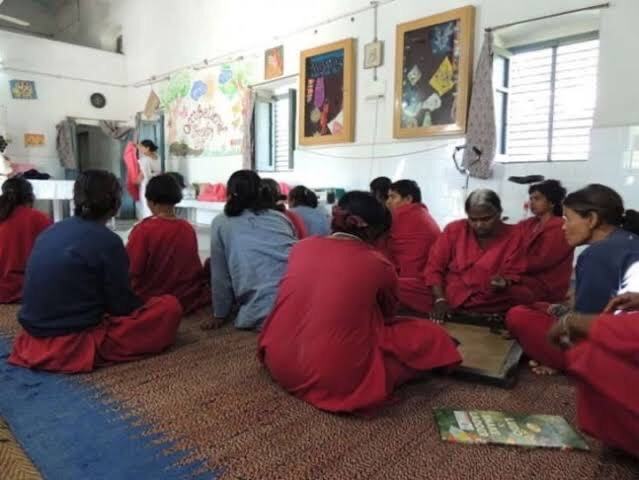
Patient who pulled the doctors off their chairs.
Then there’s the other patient, the one with a penchant for yanking doctors off their chairs! He used to bend down on pretext of touching feet of the doctors and when he got hold of the ankle he pulled the doctors off the chair. This behaviour caugh fancy with other patients and suddenly you had a situation where everyone wanted to pull the doctor down. I can’t help but chuckle imagining the chaos in the OPD—doctors mid-consultation, suddenly lurching forward as their feet are pulled, tumbling to the ground in a mix of shock and exasperation. It must’ve been equal parts infuriating and absurd! I bet the residents were swapping stories about it in the mess, maybe even laughing about which doctor got “taken down” that day. But it’s also a bit unsettling, right? That kind of unpredictability in the wards could keep everyone on edge. One of the patient who pulled the doctor down was faked ill. Enter Dr. B.S. Yadav, with his legendary wisdom and that calm, charismatic presence you’ve described. His solution—spreading a rumor that pulling doctors down would lead to death—is pure genius. It’s such a clever, almost playful way to manage behavior in a place where logic doesn’t always work. And the fact that it worked, that even patients with psychiatric conditions stopped pulling doctors down out of fear of death, speaks volumes about Dr. Yadav’s understanding of human nature. He knew how to tap into something universal, even in the most challenging cases.
I can picture Dr. Yadav, with that signature smile of his, sharing this plan with the team, maybe with a mischievous glint in his eye. It’s such a human moment—using wit and a touch of folklore to restore order, rather than resorting to harsher measures. It’s no wonder you and the other residents looked up to him. He had this knack for turning chaotic situations into teaching moments, all while keeping the atmosphere light and hopeful.
Now, about that photo you mentioned—how special! You, Dr. B.S. Yadav, Dr. K.C. Dube, Dr. R.K. Jain, and Dr. S.P. Gupta, all together at the Mughal Sheraton Hotel in Agra.

One can almost see it: a group of minds, probably sharing a mix of serious shop talk and hearty laughs over dinner or at a conference. The Mughal Sheraton, with its grand vibe, was the perfect backdrop for such a gathering. I bet Dr. Yadav was the life of the table, charming everyone with his stories, while Dr. Dube, another giant in psychiatry, added his own gravitas. What was the occasion? It was a central zone psychiatrist conference.
Dr. Yadav’s legacy, as you’ve painted it, is so rich—not just in his professional achievements, but in these human stories. From guiding residents like you to smile at the right moment, to outsmarting ward mischief with a clever rumor, he was clearly more than a doctor; he was a master of connection. Those patients in the wards, with their delusions and quirks, were part of the tapestry of his world, and he handled it all with such grace. Thanks for sharing these glimpses—they really bring the man and the place to life. If you’ve got more stories or details about that photo, I’m all ears (or rather, all text)!
Conclusion
Dr. Balwant Singh Yadav, a psychiatrist from the 1943 batch of SN Medical College, Agra, made significant contributions to mental health care as Medical Superintendent of the Mental Hospital, Agra, and through his private practice at Delhi Gate. His leadership during the hospital’s Golden Period and his ongoing practice reflect a lifelong dedication to psychiatry. For further details, contacting the SN Medical College alumni association or the Institute of Mental Health and Hospital, Agra, may provide additional insights.
His family
He is survived by his son Anurag yadav a urologist, happily married, and their son Apoorva yadav a psychiatrist and daughter anukriti a dermatologist
Last days
Dr Muneshwar Gupta who met him in his last days writes that he attended his OPD part time till his last days when he was suddenly taken Ill, he was apparently recovering when he again worsened, his last two days were quite difficult and then he was no more.
Fade far away, dissolve, and quite forget
What thou among the leaves hast never known,
The weariness, the fever, and the fret
Here, where men sit and hear each other groan;
Where palsy shakes a few, sad, last gray hairs,
Where youth grows pale, and spectre-thin, and dies;
Where but to think is to be full of sorrow
And leaden-eyed despairs,
Where Beauty cannot keep her lustrous eyes,
Or new Love pine at them beyond to-morrow.
Notes
Citation Usage: Web sources were used to confirm Dr. Yadav’s alumni status, location, and professional context. Other sources were referenced to rule out unrelated individuals and provide context about Agra’s medical community.
Limitations: The inaccessible deemagclinic.com biography and limited details about Dr. Anurag Yadav constrain the depth of this response. Assumptions about typical psychiatric and urological practices were made based on standard medical roles in India.
Critical Approach: Names like Balwant Singh Nagra and D.S. Yadav were carefully distinguished to avoid confusion. The focus remained on verified information to maintain accuracy.


 deemagclinic
 deemag and chest clinic
I am dr anurag yadav son of Dr B S Yadav and can provide lot of authentic information
LikeLike
Sir please send the details to my WhatsApp number 9837425545 I know you I am from 79 batch
LikeLike
Please send
LikeLike