
In the spring of 1999, Major Vivek Gupta walked into my clinic in Dehradun, his khaki uniform crisp, a quiet confidence in his stride. I was swamped that day, patients spilling over in the waiting room, and I barely had a moment to glance at him. With an apologetic wave, I asked him to return another time. He nodded, his eyes calm but resolute, and left without a fuss. I didn’t know then that I’d never see him again, that the Kargil War was about to erupt, or that Vivek would etch his name into history with his sacrifice.
Vivek was born on January 2, 1970, in the heart of Dehradun, a city cradled by the foothills of the Himalayas, where the air hums with military pride. Home to the Indian Military Academy, it was a fitting birthplace for a boy destined for valor. His father, Lieutenant Colonel BRS Gupta, was a soldier whose stories of grit and honor filled their home, sparking a fire in young Vivek. His mother, a homemaker, wove love and discipline into the fabric of their family, grounding him with a deep sense of duty. Raised in the shadow of military tradition, Vivek didn’t just inherit his father’s legacy—he carried it forward with a quiet, unyielding resolve.
As a child, he roamed the streets of Dehradun, where the sight of cadets marching and the distant echo of bugles felt like a call to something greater. Those early years shaped him, blending the discipline of a soldier’s son with the warmth of a close-knit family. By the time he joined the army, it seemed less a choice than a natural extension of who he was—a man who wore courage as effortlessly as his uniform.
When the Kargil War broke out, Vivek, then a Major in the 2nd Rajputana Rifles, was thrust into the icy, treacherous heights of the Himalayas. The war was brutal, a clash of wills against an enemy entrenched on jagged peaks. Vivek led his men with a fire that belied his calm demeanor, charging into the chaos of battle. On June 13, 1999, during the assault on Tololing, one of the war’s fiercest battles, he fought with a ferocity that turned the tide, helping secure a critical victory for India. But the mountain claimed him that day. At 29, Vivek fell, his bravery earning him the Maha Vir Chakra, the nation’s second-highest gallantry award, posthumously.
Looking back, I think of that fleeting moment in my clinic. I didn’t know I was in the presence of a hero, someone whose life was a testament to the values of a soldier’s heart—courage, sacrifice, and an unshakable love for his country. Dehradun still carries his spirit, in its quiet hills and the stories whispered among its people, of a son who gave everything for the nation he called home.
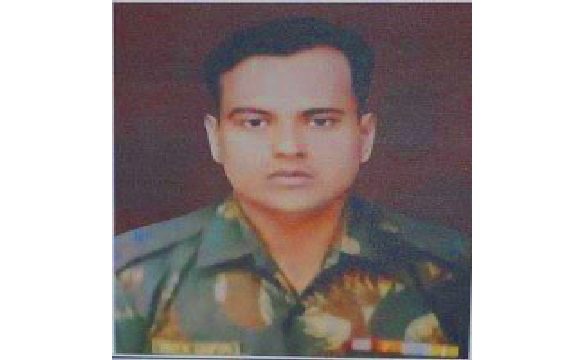
Vivek was more than a soldier; he was a son, a husband, and a relative to those close to my wife through her connection to Mr. Bireshwar Aggarwal, CEO of Crystal Corporation in Dehradun. The ties of family and community wove them together in this close-knit city. After the Kargil War, I met Lt. Col. BRS Gupta a few times, his grief palpable yet carried with the quiet dignity of a soldier. Losing Vivek, his only son, left a void that seemed to hang in the air between us. His eyes, heavy with loss, still held pride for the boy who’d grown into a man of extraordinary courage. It was heartbreaking to see a father bear such a weight, knowing his son had given everything for the nation.
Here is a well-structured, polished, and engaging rewritten version of the biography of Major Vivek Gupta, MVC:
Major Vivek Gupta, Maha Vir Chakra (Posthumous)
Major Vivek Gupta was born on 2 January 1970 in Dehradun, Uttarakhand. From his early childhood, he grew up listening to inspiring stories of army life and the honour of serving the nation from his father, Colonel BRS Gupta, an officer in the Army Ordnance Corps. Deeply influenced by these tales, young Vivek developed a natural passion for the military and decided to follow in his father’s footsteps.
He joined the Indian Military Academy, Dehradun, and was commissioned into the Indian Army as a Second Lieutenant on 13 June 1992 at the age of 22. He was posted to the 2nd Battalion of the Rajputana Rifles (2 Raj Rif), the senior-most rifle regiment of the Indian Army, whose origins date back to January 1775. The regiment has a glorious history of valour, having participated in numerous campaigns, including the 1965 and 1971 Indo-Pak Wars, and UN Peacekeeping operations in Congo.
After commissioning, Major Gupta joined his battalion in Udaipur, where he quickly sharpened his field-craft and soldiering skills. His unit was soon deployed to the militancy-affected Kupwara sector in Jammu & Kashmir, where he served as the Adjutant. Even early in his career, he displayed exceptional courage. He was awarded the Chief of Army Staff (COAS) Commendation Card for killing a Pakistani terrorist in hand-to-hand combat during a daring operation.
In 1997, he married Captain Rajshree Bisht, a doctor serving in the Army Medical Corps. Apart from being a dedicated soldier, Major Gupta was also a passionate bodybuilder and an enthusiastic singer.
The Battle of Tololing – Kargil War (June 1999)
In the summer of 1999, shortly after the Lahore Declaration, the Pakistan Army clandestinely occupied several winter-vacated Indian posts along the Line of Control in the Kargil sector. The intrusions were detected on 3 May 1999, leading to the launch of Operation Vijay by the Indian Army to evict the infiltrators.
Major Vivek Gupta’s battalion, 2 Raj Rif, under the command of Lieutenant Colonel M.B. Ravindranath, was inducted into the Drass sector on 4 June 1999 as part of 56 Mountain Brigade. The Tololing Heights, particularly Point 4590 and Tololing Top, represented the deepest Pakistani penetration. These features overlooked a large stretch of the vital Srinagar–Leh National Highway, making their recapture critical.
On the night of 12 June 1999, 2 Raj Rif was tasked with capturing Tololing Top by 0600 hours the next morning. Major Vivek Gupta, commanding Charlie Company, led the assault as the vanguard of the attack, which began at 2030 hours.
As the company advanced under heavy enemy artillery and automatic fire, it came under intense fire from multiple directions upon emerging into the open. When the leading section suffered casualties and the attack stalled, Major Gupta displayed extraordinary courage and presence of mind. He fired a rocket launcher at the enemy bunker and, without waiting for the dust to settle, charged single-handedly into the hostile position.
Despite being hit by two bullets during the charge, he continued his assault and engaged the enemy in fierce hand-to-hand combat. He personally killed three enemy soldiers before being hit again by enemy fire. Gravely wounded, Major Vivek Gupta succumbed to his injuries on the battlefield.
Inspired by their young company commander’s supreme valour, the rest of Charlie Company surged forward and captured the objective. Major Gupta’s body lay on Tololing Top until 15 June, when a special mission under heavy enemy fire recovered the mortal remains of the fallen soldiers.
In this operation, 2 Raj Rif lost two Junior Commissioned Officers — Subedar Bhanwar Lal and Subedar Sumer Singh Rathore — along with six brave soldiers: CHM Yashvir Singh Tomar, Havildar Sultan Singh Narwaria, Naik Surendra Singh, Naik Chaman Singh, Rifleman Bachan Singh, and Rifleman Jasvir Singh.
Major Vivek Gupta attained martyrdom exactly seven years after he had joined the Rajputana Rifles on 13 June 1992 — a life that had truly come full circle.
His father, Colonel BRS Gupta, later said with immense pride:
“Knowing that his entire company was like a sitting duck after bullets were fired upon them from every direction, my 27-year-old son proved his blood. He launched a solo attack to take on the Pakistanis. While he made the supreme sacrifice, his fellow soldiers lived on to win more peaks.”
For his exceptional bravery, indomitable courage, and supreme sacrifice in the face of the enemy, Major Vivek Gupta was awarded the Maha Vir Chakra — India’s second-highest gallantry award — posthumously.

Major Vivek Gupta, MVC, remains an eternal symbol of courage, leadership, and selfless service to the nation. His story continues to inspire generations of Indian soldiers and civilians alike.
Years later, Dehradun still holds Vivek close. A statue stands in his honor, unveiled with military reverence, where his NDA and IMA comrades paid tribute to their fallen hero. His story lives in the city’s heart, in the pride of his battalion, and in the quiet sorrow of his father, Lt. Col. Gupta, whose loss I felt in our fleeting meetings. To my wife’s family, connected through Bireshwar Aggarwal, Vivek was more than a name—he was kin, a reminder of the personal cost of valor. His life, though brief, burns bright in the tales of Kargil, a beacon of courage for a nation that will never forget.

Early Life and Background
- Education: Vivek attended local schools in Dehradun, where he excelled academically and in extracurricular activities. His disciplined upbringing and exposure to military life made him a natural fit for a career in the Army. He was known for his determination, physical fitness, and leadership qualities even as a young student.
Military Training and Career
- Joining the Indian Military Academy: Vivek enrolled at the IMA in Dehradun, a prestigious institution that trains officers for the Indian Army. During his time at the IMA, he underwent rigorous physical and mental training, mastering skills in tactics, weapons handling, and leadership. His instructors noted his enthusiasm, quick thinking, and ability to inspire his peers. He graduated on June 13, 1992, and was commissioned into the 2nd Battalion of the Rajputana Rifles (2 Raj Rif), a regiment with a storied history dating back to the British Indian Army and known for its motto, “Veer Bhogya Vasundhara” (The Brave Shall Inherit the Earth).
- Early Service: As a young officer, Vivek served in various challenging postings, including counter-insurgency operations in Jammu and Kashmir and other sensitive areas. His assignments honed his skills in high-altitude warfare and small-unit tactics. Colleagues described him as a charismatic leader who led by example, earning the loyalty of his troops through his courage and camaraderie.
- Personal Life: In 1997, Vivek married Captain Rajshree Bisht, an officer in the Army Education Corps. Their marriage was a partnership rooted in mutual respect and a shared commitment to the nation. Rajshree, who later spoke of Vivek’s dedication, recalled his infectious optimism and unwavering sense of duty. The couple’s time together was brief but filled with love and shared ideals.
The Kargil War and the Battle of Tololing (1999)
- Context of the Kargil War: The Kargil War (May–July 1999) erupted when Pakistani troops and militants infiltrated the Kargil sector of Jammu and Kashmir, occupying strategic heights along the Line of Control (LoC). Their positions, at altitudes exceeding 15,000 feet, gave them a tactical advantage, threatening the Srinagar-Leh highway and Indian supply lines. The Indian Army launched Operation Vijay to evict the intruders, facing harsh terrain, extreme weather, and well-entrenched enemy forces.
- Role in the Battle of Tololing: Major Vivek Gupta, then 29, was the company commander of the Charlie Company, 2 Rajputana Rifles. On June 13, 1999, his unit was tasked with recapturing Tololing Top, a key feature in the Drass sector overlooking the National Highway 1A. Tololing was heavily fortified, with Pakistani troops occupying bunkers and using machine guns and artillery to dominate the approaches. The assault was one of the first major operations of the war, and its success was critical to India’s campaign.
- Gallantry in Action: Leading from the front, Major Gupta spearheaded the assault under intense enemy fire. The attack began at night, with his company navigating steep, rocky slopes in freezing conditions. Despite heavy casualties and relentless enemy resistance, Vivek pressed forward, personally engaging the enemy in close-quarters combat. In a remarkable display of bravery, he stormed a bunker, killed three Pakistani soldiers in hand-to-hand fighting, and secured a foothold on Tololing Top. His actions disrupted the enemy’s defenses and inspired his men to continue the attack.
- Ultimate Sacrifice: During the fierce fighting, Major Gupta was hit by multiple bullets. Despite his injuries, he refused to withdraw, rallying his troops to maintain the momentum. His leadership ensured the capture of Tololing Top, a pivotal victory that marked a turning point in the Kargil War. Tragically, he succumbed to his wounds on the battlefield, sacrificing his life for the mission. His actions not only secured Tololing but also boosted the morale of Indian forces, paving the way for subsequent victories at Tiger Hill and other heights.
Maha Vir Chakra Award
- Citation: Major Vivek Gupta was posthumously awarded the Maha Vir Chakra on August 15, 2000, by President K.R. Narayanan. The MVC, India’s second-highest gallantry award, was conferred for his “conspicuous bravery, exemplary leadership, and supreme sacrifice” in the face of the enemy. The citation specifically noted his role in leading the assault on Tololing, his personal courage in close combat, and his determination to achieve the objective despite overwhelming odds.
- Presentation: The award was received by his widow, Captain Rajshree Bisht, in a solemn ceremony. The recognition cemented Major Gupta’s place among India’s military heroes.
Anecdotes and Personal Traits
- Leadership Style: Colleagues and subordinates described Vivek as a “soldier’s soldier” who led by example. He was known for his hands-on approach, often sharing meals with his troops and boosting their morale with his humor and optimism. During the Kargil War, he reportedly motivated his men by saying, “We’ll take Tololing, or we won’t come back,” reflecting his resolve.
- Dedication to Duty: Rajshree Bisht shared that Vivek was deeply committed to his men and the mission. Even during their brief marriage, he prioritized his soldiers’ welfare, often checking on their equipment and morale before his own needs. His letters home, as recalled by family, were filled with pride in serving the nation.
- Inspiration from Family: His father’s military background was a constant source of inspiration. Vivek often spoke of wanting to live up to the legacy of the Rajputana Rifles and make his family proud. His courage at Tololing reflected this deep-rooted sense of honor.
Tributes and Memorials
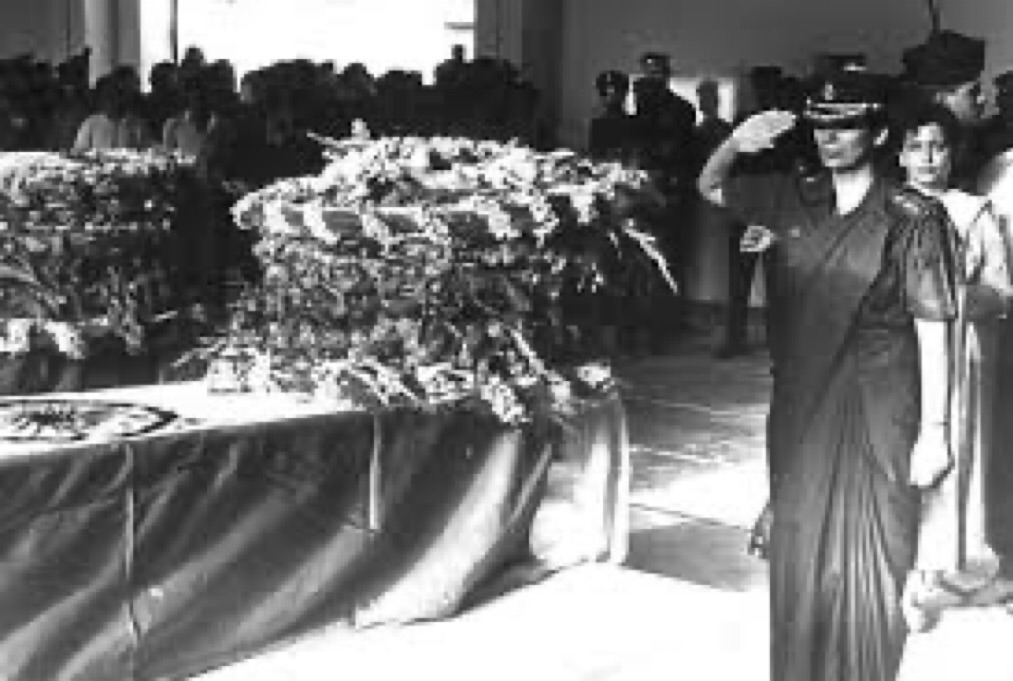
- Indian Military Academy: A memorial at the IMA in Dehradun honors Major Vivek Gupta, recognizing his sacrifice as an alumnus who exemplified the academy’s motto, “Veer Bhogya Vasundhara”. The memorial serves as an inspiration for cadets training to become officers.
- Kargil Vijay Diwas: Every year on July 26, India commemorates Kargil Vijay Diwas to mark the victory in the Kargil War. Major Gupta’s name is frequently mentioned in tributes, with ceremonies in Drass, Dehradun, and across India honoring his role in the Battle of Tololing.
- Local Recognition in Dehradun: In Dehradun, Major Gupta is celebrated as a local hero. Schools, community organizations, and military establishments often hold events to commemorate his sacrifice. His story is shared with students to instill values of patriotism and courage.
- Rajputana Rifles Regimental Tributes: The 2 Rajputana Rifles maintains traditions to honor Major Gupta, including naming events or facilities after him within the regiment. His actions are part of the regiment’s lore, inspiring new recruits.
- Media and Literature: Major Gupta’s story has been featured in books, documentaries, and articles about the Kargil War, such as Kargil: From Surprise to Victory by General V.P. Malik. His role in Tololing is often highlighted as a defining moment of the conflict.
Broader Context of the Kargil War
- Strategic Importance: The Kargil War was fought at altitudes of 15,000–18,000 feet, in some of the harshest terrain on Earth. The capture of Tololing Top on June 13, 1999, was a psychological and tactical victory, proving that Indian forces could dislodge the enemy from fortified positions. It set the stage for the recapture of other peaks, like Tiger Hill, and ultimately forced Pakistan to withdraw.
- Challenges Faced: Indian troops faced extreme cold, oxygen scarcity, and constant artillery bombardment. The enemy’s elevated positions made assaults like Tololing particularly deadly, requiring exceptional courage and coordination.
- Impact on India: The war galvanized national pride and highlighted the sacrifices of soldiers like Major Gupta. It also led to military reforms, including better equipment for high-altitude warfare and improved intelligence coordination.
Legacy
Major Vivek Gupta’s sacrifice remains a powerful symbol of bravery and selflessness. His actions at Tololing not only turned the tide of the Kargil War but also inspired countless young Indians to serve their country. His widow, Rajshree, has spoken at events about his legacy, emphasizing his belief that “the nation comes first.” In Dehradun, his hometown, he is remembered as a son who brought pride to his community and country.
The Rajputana Rifles continue to draw inspiration from his example, and his story is taught to new soldiers as a testament to leadership under fire. The Maha Vir Chakra awarded to him underscores his place among India’s greatest military heroes, alongside other Kargil martyrs like Captain Vikram Batra, PVC, and Lieutenant Manoj Kumar Pandey, PVC.
Personal Details
- Born: January 2, 1970, Dehradun, Uttarakhand
- Died: June 13, 1999, Tololing Top, Kargil, Jammu and Kashmir
- Unit: 2nd Battalion, Rajputana Rifles
- Family: Son of Lt. Col. BRS Gupta; married to Captain Rajshree Bisht
- Award: Maha Vir Chakra (Posthumous, August 15, 2000)


 deemagclinic

Great article. Are you in touch with anyone from Maj Gupta’s family? I hear that his father is no longer with us
LikeLike