
A Life Well-Lived: The Story of Dr. Bharat Sabharwal
Picture this: It’s 1989, and I’m a young doctor, nervous but excited, standing outside the bustling Sabharwal Clinic in Motibazar. The place is a hive of activity—patients spilling out the door, chatting in hushed tones, waiting for the Dr. Bharat Sabharwal. I’m there to invite him for the inaugural function of my modest new clinic, hoping to borrow a bit of his shine. He’s already a legend in Dehradun, having taken over his father’s clinic and turned it into a cornerstone of the community. I’m sweating a little, clutching my invitation card, wondering if he’ll even have time to talk to me.
“Dr. Sabharwal?” I call out, stepping into the clinic. He’s behind the counter, a stethoscope around his neck, laughing with a patient like they’re old friends. He looks up, flashes a warm smile, and says, “You must be the new doctor in town! Come, come, have some chai.” That’s Bharat for you—high emotional quotient, as they say now, but back then, it was just his way of making everyone feel like family.
Dr. Bharat Sabharwal was born into medicine on 11th of October 1959 in Dehradun. His father’s clinic, Sabharwal Clinic, was a Motibazar institution, always packed with patients seeking care or just a kind word. Bharat, a proud BAMS graduate from MD University, Rohtak, didn’t just inherit the clinic; he inherited a legacy. Back in the day, getting a BAMS degree was no Herculean task, but Bharat wasn’t one to coast. While still a student, he was already at his fathers clinic, learning the ropes, charming patients, and building a clientele that adored him. “I’d be in class one day, prescribing tonics the next,” he’d chuckle, recalling how he juggled textbooks and stethoscopes.
His knack for connecting with people was his superpower. “Bharat could make a stranger feel like a cousin,” I’d tell friends. He’d listen to a patient’s woes—about their fever, their family, or their fears—and somehow, they’d leave feeling lighter, even if the medicine was just a sugar pill. That emotional intelligence made Sabharwal Clinic more than a medical practice; it was a community hub.
Our paths crossed meaningfully one fateful evening when Bharat called me in a panic. “It’s my mother,” he said, his voice tight. “She’s struggling to breathe.” I rushed to his home and found his mother, cyanosed, her lips tinged blue from a severe asthma attack. My heart sank. “We need to get her to Doon Hospital—now,” I told him. In those days, ambulances were as rare as a quiet day in Motibazar, so we bundled her into my trusty Ambassador car, its engine groaning as we sped through Dehradun’s narrow streets.
At the hospital, we fought to save her, but her asthma was relentless. She didn’t make it. Bharat, usually so composed, was shattered. “You did everything you could,” he told me later, his eyes red but grateful. That night forged a bond between us. Soon, we were more than colleagues—dinners at each other’s homes, late-night chats over whisky, swapping stories about patients and life. “You know,” he’d say, pouring me a second glass, “medicine’s just half the job. The rest is making people believe they’ll be okay.”
Bharat’s charm wasn’t confined to the clinic. He had a knack for politics, too, and rode that wave to become a municipal member on a BJP ticket. The man could work a room—whether it was a patient’s bedside or a political rally. He grew close to Atal Bihari Vajpayee, the BJP stalwart with a poet’s heart. “Atal-ji used to call me ‘Doctor Sahib,’” Bharat would grin, mimicking Vajpayee’s baritone. They’d swap ideas over tea, Bharat’s easy warmth matching Atal’s wit.
One story Bharat loved to tell—and he told it often—was about his quest for a telephone connection in the late ’80s. Back then, a phone line was a status symbol, and even shelling out 30,000 INR didn’t guarantee you one. Frustrated, Bharat turned to Vajpayee for help. “Atal-ji,” he pleaded, “can’t you pull some strings?” Vajpayee, with his trademark sly humor, leaned back and said, “Bharat, for a telephone, you’ll need to beg Indira Gandhi herself. I’m in the opposition—would a good BJP man like you want me to grovel?” Bharat would roar with laughter every time he recounted this, slapping his knee. “That’s Atal-ji for you—never misses a chance to make a point!”
Bharat Sabharwal wasn’t just a doctor or a politician; he was a force of life. His clinic was a beacon, his friendships a glue that held people together. Even now, years later, I can hear his voice, warm and teasing, saying, “Come on, let’s have one more chai.” That was Bharat—always making room for one more patient, one more friend, one more story.
In the heart of Dehradun, where the bustling Moti Bazar hums with life, Dr. Bharat Sabharwal was a name that echoed with kindness and hope. Known as the “Doctor of the Poor,” his story is one of compassion, resilience, and an unwavering commitment to healing. Born into a family that settled in Dehradun after the partition of India in 1947, Bharat’s life was shaped by a legacy of service that began with his father, Dr Kasturi Lal Sabharwal who opened a modest clinic in the same vibrant market where Bharat would later make his mark.
“Papa used to say, ‘A doctor’s wealth isn’t in gold, but in the trust of those who walk through your door,’” Bharat once shared with a young patient, his eyes twinkling with the warmth of someone who lived those words. His grandfather’s small clinic, tucked opposite Geeta Furniture in Puran Market, was where Bharat’s journey began. After partition forced the Sabharwal family to uproot, they carried little but their determination to rebuild. That clinic, with its creaky wooden sign and shelves of herbal remedies, became a sanctuary for the community—and Bharat’s classroom.
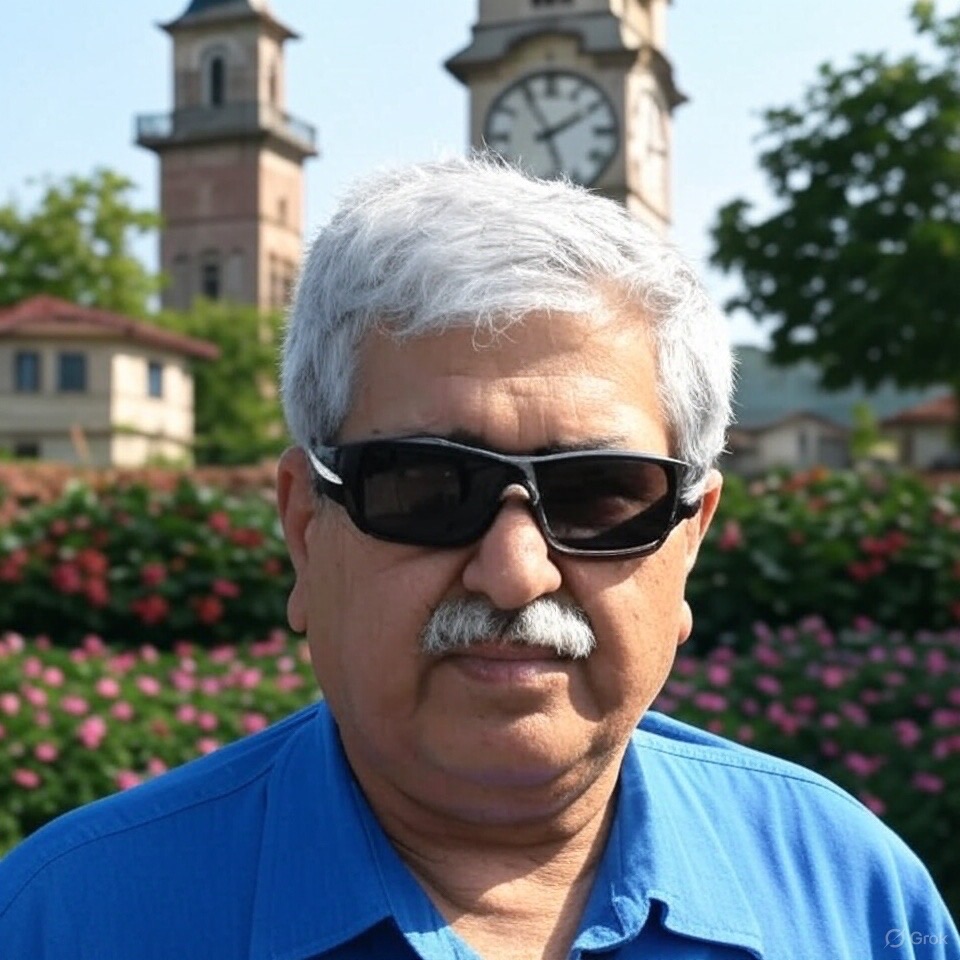
As a boy, Bharat would sit cross-legged on the clinic floor, watching his grandfather mix Ayurvedic potions and listen to patients’ stories. “I learned early that healing isn’t just about medicine,” he’d later tell a colleague over chai, “it’s about hearing the heart behind the pain.” By the time he took over the clinic, Bharat had earned his medical degree and a reputation for never turning anyone away. His fees were modest—sometimes just a heartfelt “thank you”—and for those who couldn’t pay, he’d slip free medicines into their hands with a conspiratorial wink. “Don’t tell anyone,” he’d whisper, “or they’ll all expect it!”
Bharat’s clinic at 48 Moti Bazar wasn’t just a medical hub; it was a gathering place. Rickshaw drivers, shopkeepers, and mothers clutching feverish children filled the waiting area, swapping stories while the scent of antiseptic mingled with the market’s spice-laden air. With a 4.2-star rating from grateful patients, his practice thrived on trust. “Doc, you’re like family,” one elderly patient said, pressing a homemade ladoo into his hand. Bharat laughed, “Family that makes you take bitter pills, eh?”
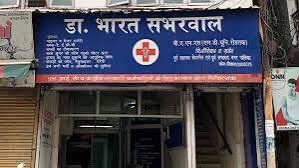
Beyond allopathy, Bharat’s passion for Ayurveda led him to found the Shivalik Institute of Ayurved and Research, a testament to his belief in blending tradition with modern care. “Why choose one path when both can lead to healing?” he’d muse when asked about his approach. His vision was to make holistic healthcare accessible, especially for Dehradun’s underprivileged, who saw him as a lifeline in a world of rising medical costs.
Bharat in Ramlila
Here’s a vivid reenactment of a scene from the Ram Lila where Dr. Bharat Sabharwal played Hanuman and Indrajeet Pahwa played Ravana.
His friend Indrajeet Pahwa writes, ‘The weight of time presses heavy on my heart today as I think of my dear friend, Dr. Bharat Sabharwal. Fifty years have slipped by, yet the memories of our youth in those vibrant Ram Lila performances, organized by his father, Dr. Kasturi Lal Sabharwal, feel as vivid as yesterday. I can still hear the clanging of cymbals, the roar of the crowd, and the laughter we shared backstage. Bharat, with his boundless energy, was the perfect Hanuman—leaping across the stage with a fervor that made every child in the audience believe he could fly. And me? I was Ravana, the ten-headed demon king, relishing every moment of my villainous role, especially when Bharat’s Hanuman stormed my Lanka.’
I close my eyes, and I’m transported back to one unforgettable evening in 1975. The stage was set for the grand confrontation in Ravana’s palace. The air was thick with anticipation, the scent of incense mingling with the dust of our small town’s open-air stage. The crowd hushed as the drums rolled, signaling Hanuman’s arrival in Lanka.
Scene: Ravana’s Golden Palace in Lanka, Ram Lila Stage, 1975
The stage is adorned with makeshift golden pillars, draped in red and gold cloth to mimic the opulence of Lanka. Indrajeet Pahwa, as Ravana, sits on a throne, his ten heads represented by a towering headdress that wobbles slightly with every gesture. His face is painted with exaggerated brows and a curling mustache, and he grips a wooden sword. Enter Dr. Bharat Sabharwal as Hanuman, bounding onto the stage with a tail made of rope and a papier-mâché mace. The crowd erupts in cheers.
Ravana (Indrajeet, voice booming): Who dares trespass in the court of Ravana, the king of Lanka? Speak, intruder, before my wrath consumes you!
Hanuman (Bharat, puffing out his chest, eyes twinkling with mischief): I am Hanuman, servant of Lord Rama! I come not to bow but to deliver a message, O mighty but misguided king. Release Sita, or face the fury of Ayodhya’s prince!
The crowd leans forward, some children giggling at Bharat’s exaggerated leap onto a wooden platform. Indrajeet smirks, enjoying the role of the villain.
Ravana (sneering, rising from his throne): Foolish monkey! You think your Rama can challenge me? Lanka is impregnable, and Sita is mine. Begone, or my rakshasas will tear you apart!
Hanuman (grinning, twirling his mace): Your boasts are as empty as your heart, Ravana! Rama’s name alone shakes your golden walls. I’ll burn this city to ash if you don’t heed my warning!
Indrajeet, as Ravana, strides forward, pointing his sword dramatically. The headdress wobbles, and Bharat stifles a laugh, nearly breaking character.
Ravana (mock indignation): Burn my Lanka? You, a mere beast? Guards, seize this insolent creature!
Bharat leaps off the platform, dodging imaginary guards with acrobatic flair. The crowd roars as he pretends to set fire to the stage’s “tail” prop, a bundle of red and orange cloth. Indrajeet throws his hands up in mock horror, but his eyes meet Bharat’s, and they share a fleeting grin—two friends reveling in the magic of the moment.
Hanuman (shouting as he “flies” offstage): This is but a spark, Ravana! Rama’s justice will be your reckoning!
The scene ends with the crowd chanting “Jai Shri Ram!” as Bharat disappears behind the curtain, and Indrajeet hams up Ravana’s rage, shaking his fist at the sky.
Back in the present, I chuckle at the memory. Bharat was a force of nature—on stage and off. After the performance, we’d collapse behind the stage, laughing until our sides ached, teasing each other about flubbed lines or that wobbly headdress. “Indrajeet,” he’d say, clapping me on the back, “you make a terrible demon, but a decent friend.” I’d retort, “And you’re more monkey than man, Bharat!”
Those days were golden, like Ravana’s palace, but far more real. The sorrow of missing Bharat stings, but these memories—of him soaring as Hanuman, of our shared laughter under the stars—keep him alive in my heart. I hope wherever he is, he’s still leaping across stages, bringing light to everyone around him.
Dr. Bharat Sabharwal: A Doctor’s Sacrifice in the Shadow of COVID
In the spring of 2021, as the second wave of COVID-19 swept through Dehradun like a relentless storm, Dr. Bharat Sabharwal stood resolute in his small clinic at 48, Moti Bazar. Known as the “Doctor of the Poor,” he was a beacon of hope for the city’s most vulnerable, a man whose compassion outshone the fear that gripped the world. His life, tragically cut short by the very disease he fought to protect others from, was a testament to his selflessness—and a poignant reminder of the fragility of even the strongest among us during those dark days.
A Clinic in the Eye of the Storm
Dr. Sabharwal’s clinic was a modest space, its single entrance a narrow gateway to a room without side windows, where the air hung heavy with the weight of illness. Despite the risks, he continued seeing patients, many of whom arrived with the telltale signs of viral fever—coughing, weary, and desperate for care. Protected by masks, gloves, and a body cover, he believed he was safe enough to carry on his mission. “If I don’t see them, who will?” he said to a nurse one morning, his voice muffled through his mask but firm with conviction. “These people trust me. I can’t turn them away.”
The clinic’s layout, however, was a silent adversary. Dr. Sabharwal sat deep inside, his desk a sanctuary of charts and stethoscopes, while patients crowded near the entrance, their coughs echoing in the confined space. To an observer passing by, it looked like a perfect virus trap—a stark contrast to the open-air practices of others, like Dr. B.S. Yadav in Agra, who took his chair and table outside to see patients under the sun’s forgiving light. “The sun and air are our allies,” Dr. Yadav would say, chuckling as his patients basked in the warmth, their spirits lifted by the breeze.
A fellow doctor in Dehradun, who also saw patients during those perilous times, took a different approach. “I kept my windows open, the exhaust fan running all day, and even the air conditioning on with the windows ajar,” he recalled, his voice tinged with regret. “I thought it kept the viral load low, gave us a fighting chance. Every time I passed Bharat’s clinic, I saw him sitting so far inside, with patients near the door. I wanted to tell him—‘Bharat, move your desk to the entrance, let the air in!’—but fear stopped me. His patients were so sick, and I was terrified of the virus. I didn’t step inside. I didn’t warn him. And now… I’ll always wonder if I could’ve saved him.”
Dr. Bharat Sabharwal: A Life of Laughter, Love, and Legacy
Dr. Bharat Sabharwal was more than Dehradun’s “Doctor of the Poor”—he was a friend whose warmth filled rooms, a family man whose laughter echoed over shared meals, and a pillar of Moti Bazar whose legacy lingers in the hearts of those who knew him. Until his tragic passing in May 2021, his life was a vibrant mosaic of service, camaraderie, and moments of joy that turned ordinary dinners and breakfasts into cherished memories. His clinic at 48, Moti Bazar, was a haven for the sick, but his home was a sanctuary of love, where fluffy puris and spicy chickpeas brought friends and family together under the glow of his infectious spirit.
A Home Filled with Warmth
Dr. Sabharwal’s home in Dehradun was a place where the aroma of home-cooked meals mingled with the sound of laughter. On evenings when his friend, a fellow doctor, visited for dinner, Dr. Sabharwal’s wife, Rama, would be in her element, rolling out dough for her signature fluffy puris. The sizzle of oil and the chatter of the family filled the air as she served plate after plate of golden, puffed-up puris alongside steaming curries. “Rama, you’ve outdone yourself again!” the friend would say, reaching for another puri, only for Rama to playfully interject, “Oh, doctor sahib, I slaved over these all evening, and not a word of praise from Bharat!”
Dr. Sabharwal, his eyes twinkling behind his glasses, would throw back his head and laugh, a deep, hearty sound that seemed to shake the walls. “Rama, my love, these puris are so perfect they could win an award! You’re the queen of this kitchen, and I’m just lucky to be your loyal subject.” Rama would blush, waving off his lavish praise, but the room would erupt in smiles, the warmth of their bond wrapping everyone in its embrace.
Breakfasts were no less special. On lazy weekend mornings, Dr. Sabharwal and his friend would gather around the dining table, where Rama would serve makki parathas, their golden edges crisp and slathered with butter, paired with a spicy chickpea curry that packed a punch. “This curry wakes you up better than any medicine!” Dr. Sabharwal would joke, tearing off a piece of paratha and dipping it generously. His friend would nod, grinning, “Bharat, if you ever retire from medicine, you and Rama could open a dhaba. I’d be your first customer!” The laughter would flow as freely as the tea, and for those moments, the weight of their demanding lives as doctors seemed to lift.
When I was invited to dinner at his place, I forgot to wipe my shoes and accidentally left a smudge on his yellow carpet. He was so kind and gracious that he didn’t even mention my mistake.
A Family of Dreamers and Doers
Dr. Sabharwal’s pride in his family was unmistakable. His daughter, Gargi, had set her sights on studying in Australia, a dream he supported with the same zeal he brought to his patients’ care. “She’s going to make us proud,” he’d say, his voice swelling with fatherly pride as he showed his friend photos of Gargi’s university applications. “She’s got her mother’s brains and my stubborn heart.” His other daughter, Megha, was equally cherished, though her path kept her closer to home, a steady presence in the family’s orbit.
His son, Dr. Rishi Sabharwal, followed in his father’s footsteps, earning his MBBS from the Himalayan Institute of Hospital Trust (HIHT) in Dehradun. Rishi’s decision to practice at the family clinic in Moti Bazar was a source of quiet joy for Dr. Sabharwal. “The boy’s got my stethoscope and my stubbornness,” he’d chuckle, clapping his friend on the shoulder during one breakfast. “But I told him, ‘Rishi, don’t just heal bodies—heal hearts, like we do.’” Rishi, now carrying the torch at the clinic, keeps his father’s legacy alive, seeing patients with the same compassion that defined Dr. Sabharwal’s life.
A Doctor’s Heart, a Friend’s Soul
Dr. Sabharwal’s influence extended far beyond his clinic. As a municipal councillor and a close ally of BJP leader Harbans Kapoor, he wielded the clout of an MLA, navigating Dehradun’s challenges with a doctor’s precision and a friend’s empathy. His friend recalled a time when a legal tangle over cutting trees on a plot in Dehradun threatened to spiral into an FIR. Dr. Sabharwal stepped in, securing a permission from Mayor Deenanath Saluja with a few well-placed calls. “Don’t worry,” he told his friend, handing over the paperwork with a reassuring smile. “I promised I’d always have a doctor’s back. Now go build that house—and invite me for dinner when it’s done!”
But it was the quieter moments that defined their friendship. Over puris and parathas, they shared stories of patients, swapped medical insights, and laughed about life’s absurdities. “You know, Bharat, you make this crazy job feel worth it,” his friend once said, raising a glass of lassi during a particularly lively breakfast. Dr. Sabharwal grinned, his eyes crinkling. “It’s not the job—it’s the people. You, Rama, the kids, my patients. That’s what keeps me going.”
Dr. Bharat Sabharwal: The Toothbrush Titan of Dehradun
Dr. Bharat Sabharwal was a force of nature in Dehradun, a man whose boundless energy and infectious warmth made him a beloved figure in both medicine and community life. With his fair complexion, average height, blue brown eye and a thick crop of hair paired with a meticulously clipped mustache—bristly as a toothbrush, earning him the affectionate nickname from his friend Vimal—Dr. Sabharwal was as striking in presence as he was in action. His powerful, hairy arms and relentless drive seemed to embody the spirit of Moti Bazar, where his clinic at 48 stood as a beacon for the underprivileged. Until his tragic passing in May 2021, he lived a life of service, camaraderie, and laughter, leaving behind a legacy that still resonates in the Doon Valley.
A Boy from Paltan Bazar
Dr. Sabharwal’s story began in the lively lanes of Paltan Bazar, where he attended Mission School alongside Harish Kohli, who later became a renowned orthopedic surgeon. The two boys, full of mischief and ambition, forged a bond over shared dreams of medicine. “Bharat was always the one leading the charge, even back then,” Harish once recalled, chuckling. “He’d drag me to the library, saying, ‘Doctor sahib, we’re not just studying—we’re building our future!’” That nickname, “doctor sahib,” stuck, a playful nod to Bharat’s commanding presence even as a schoolboy.
His good looks and toothbrush mustache weren’t just for show; they complemented a personality that radiated confidence and care. “That mustache is my trademark!” he’d joke, stroking it with a grin when Vimal teased him. His thick, powerful arms weren’t just for show either—they were a metaphor for his ability to carry the weight of his patients’ troubles, his political duties, and his community’s hopes.
A Doctor’s Calling, A Politician’s Hustle
As a general practitioner, Dr. Sabharwal’s clinic was a lifeline for Dehradun’s poor. Known as the “Doctor of the Poor,” he charged minimal fees and often waived them entirely. But his days didn’t end with the evening OPD. As a municipal councillor with the clout of an MLA, he was a fixture at BJP rallies and a close ally of Harbans Kapoor. “Doctor sahib, you rest after your clinic—I’ve got political work to do!” he’d say with a wink to his friend, a fellow doctor, as he dashed off to a meeting or a rally, his energy seemingly inexhaustible.
His friend, reflecting on those days, said, “Bharat was a whirlwind. I’d be exhausted after seeing patients, but he’d be off solving civic issues or planning a health camp. I tried to keep up, but the man was unstoppable.”
The UNESCO Club and Village Camps
Dr. Sabharwal’s commitment to service found a new outlet in the UNESCO Club Doon Valley Central, a kitty club he co-founded with his wife, Rama, and close colleagues like Dr. Rakesh Mittal, an internist, and Dr. Suresh Goel. The club was more than a social gathering; it was a hub for planning free medical camps in the villages around Dehradun. Over dinners—often featuring Rama’s fluffy puris or makki parathas with spicy chickpeas—the group would strategize their next outreach. “Rama, these puris are divine!” Dr. Mittal would exclaim, only for Rama to retort playfully, “Tell that to Bharat—he’s too busy planning camps to notice!” Dr. Sabharwal would laugh, his mustache twitching, and reply, “Rama, my love, your cooking fuels our mission. You’re the heart of this club!”
The friend joined the club but later stepped back, overwhelmed by Dr. Sabharwal’s relentless pace. “I couldn’t match his fire,” he admitted. “Bharat didn’t just organize camps—he lived for them. I’d see him in those villages, joking with patients, and wonder how one man could do so much.”
At one camp in a dusty village near Jhajra, Dr. Sabharwal’s charisma was on full display. As he checked an elderly farmer’s blood pressure, he grinned, “Uncle, your heart’s stronger than my mustache! Keep eating those greens, and you’ll outlive us all!” The farmer chuckled, easing into the stethoscope’s cold touch. To a young mother clutching her feverish child, he said softly, “Don’t worry, beti, we’ll get your little one running around in no time. This medicine’s on me.” The mother’s eyes welled up with gratitude, and Dr. Mittal, nearby, whispered to the friend, “That’s Bharat—half doctor, half magician.”
Another time, at a camp in a remote hamlet, a long line of patients snaked through the morning mist. Dr. Sabharwal, sleeves rolled up to reveal those hairy arms, moved from one to the next with boundless energy. “Doctor sahib, you’re like a machine!” Dr. Goel teased, handing him a bottle of water. “A machine with a mustache!” Dr. Sabharwal shot back, wiping sweat from his brow. To a skeptical teenager who shied away from a vaccination, he said, “Come on, young man, one quick prick and you’ll be the strongest kid in the village. Deal?” The boy nodded, grinning, and the tent erupted in laughter.
A Family Man’s Joy
At home, Dr. Sabharwal was the heart of a tight-knit family. Rama’s cooking brought friends and family together, from fluffy puris at dinner to makki parathas for breakfast. “Bharat, you better compliment these parathas, or I’m serving you plain dal next time!” Rama would tease, setting down a plate of spicy chickpeas. He’d lean back, stroking his mustache, and declare, “Rama, these are so good, I’m writing a prescription for more!” The room would dissolve into laughter, their daughters, Megha and Gargi, rolling their eyes at their father’s theatrics.
Gargi, who pursued studies in Australia, was his pride and joy. “She’s going to take on the world,” he’d tell his friend, showing off her acceptance letter. His son, Dr. Rishi, followed him into medicine, earning his MBBS from HIHT and taking over the Moti Bazar clinic. “Rishi’s got my stubbornness,” Dr. Sabharwal would say, clapping his son’s shoulder. “But I told him, ‘Heal their hearts, not just their bodies.’”
The Cost of Compassion
The second wave of COVID-19 in 2021 tested Dr. Sabharwal’s resolve. His clinic, with its single entrance and no windows, became a perilous space as he continued seeing patients, many with viral fevers. “I should’ve told him to move his desk outside, let the air in,” his friend later lamented. “But I was too scared to step inside. I failed him.” On May 6, 2021, Dr. Sabharwal succumbed to COVID pneumonia in Max Hospital’s ICU, where the air was heavy with the virus. At 63, he was gone, leaving a city in grief.
A Farewell Stolen
COVID’s cruelty meant only Rama, Megha, Gargi, and Rishi could attend his cremation on May 7, 2021. Friends like the fellow doctor, who cherished those puri-filled evenings, were left to mourn from afar. “I couldn’t say goodbye,” he said, voice breaking. “He called me doctor sahib, saved my plot from legal trouble, and shared his life with me. But I couldn’t stand by him at the end.” The cruelty of the pandemic meant that only his family—Rama, Megha, Gargi, and Rishi—could attend his cremation on May 7, 2021. Friends like the fellow doctor, who longed to honor the man who’d shared puris and laughter, were kept away by restrictions. “I couldn’t say goodbye,” his friend said, voice cracking. “He was there for me, for everyone, but COVID stole our chance to stand by him. I can still taste those parathas, hear his laugh. It’s not fair.”
A Legacy in the Doon
Dr. Sabharwal’s spirit lives on in Rishi’s work at the Moti Bazar clinic, in the 125 saplings planted at the Shivalik Institute of Ayurved and Research, which he helped found, and in the memories of village camps where his laughter lifted spirits. His friend, passing the clinic, can still hear him: “Doctor sahib, one more puri—life’s too short to stop at one!” In Dehradun, Dr. Bharat Sabharwal—Toothbrush to some, hero to all—remains a symbol of love, service, and a mustache that carried the weight of a city’s trust.
The Shadow of COVID
The second wave of COVID-19 in 2021 changed everything. Dr. Sabharwal, ever the dedicated physician, kept his clinic open, seeing patients despite the risks. His friend, haunted by the memory, later reflected, “His clinic was a trap—no windows, just one door. I kept my windows open, fans running, anything to keep the viral load down. I wanted to tell him to move his desk to the entrance, let the air in, but I was too scared to step inside. His patients had fevers, and I… I failed him.” On May 6, 2021, Dr. Sabharwal succumbed to COVID pneumonia in Max Hospital’s ICU, where the air itself seemed laden with the virus. At 63, he was gone, leaving a city in mourning.
देहरादून: उत्तराखंड में कोरोनावायरस का कहर लगातार जारी है। आम आदमी के साथ-साथ नेता अधिकारी और बड़ी हस्तियां भी कोरोना के कहर से प्राप्त है। ऐसे मैं देहरादून से एक दुखद खबर सामने आई है देहरादून के मशहूर डॉक्टर भरत सभरवाल के निधन की खबर सामने आई है। भरत सभरवाल पूर्व नगरपालिका सभासद रह चुके थे। इसके अलावा वह देहरादून नेशनल इंटीग्रेटेड मेडिकल एसोसिएशन उत्तराखंड के अध्यक्ष रह चुके हैं। भरत सभरवाल को उत्तराखंड रत्न से भी सम्मानित किया जा चुका था। बताया जा रहा है कि वह कोरोनावायरस से संक्रमित थे। उनके निधन के बाद परिवार में शोक पसरा हुआ है। उत्तराखंड के पूर्व मुख्यमंत्री त्रिवेंद्र सिंह रावत ने उनके निधन पर शोक जताते हुए लिखा है कि ‘पूर्व नगर पालिका सभासद, देहरादून व नेशनल इंटीग्रेटेड मेडिकल एसोसिएशन उत्तराखंड के अध्यक्ष रहे, उत्तराखण्ड रत्न से सम्मानित डॉ० भरत सभरवाल जी के निधन की खबर से स्तब्ध हूँ।वे एक समर्पित चिकित्सक समाजसेवी के साथ साथ पार्टी के समर्पित कार्यकर्ता भी थे। ईश्वर से दिवंगत आत्मा की शांति तथा शोक संतप्त परिजनों को धैर्य प्रदान करने की प्रार्थना करता हूँ। मैं, स्व० भरत जी के परिजनों प्रति अपनी गहरी संवेदनाएं व्यक्त करता हूँ। ओम शांति!
पूर्व नगर पालिका सभासद, देहरादून व नेशनल इंटीग्रेटेड मेडिकल एसोसिएशन उत्तराखंड के अध्यक्ष रहे, उत्तराखण्ड रत्न से.
A Legacy That Endures
Dr. Sabharwal’s spirit lives on in Moti Bazar, where Rishi tends to patients at the clinic, and in the 125 saplings planted in his memory at the Shivalik Institute of Ayurved and Research, which he helped found. His friend, still carrying the weight of unspoken advice, visits the clinic sometimes, imagining Dr. Sabharwal’s voice: “Eat another puri, yaar, life’s too short for regrets!” In those moments, the pain of loss softens, replaced by the warmth of a friendship that no virus could erase.
Dr. Bharat Sabharwal was a healer, a friend, a father, and a force of nature. His life reminds us that love is in the laughter over a shared meal, the courage to serve in a crisis, and the legacy of a family that carries forward his light. In Dehradun, his name is whispered with reverence, a reminder of a man who lived for others—and whose absence still feels like a wound that won’t heal.
A Doctor’s Heart in a Time of Fear
Dr. Sabharwal’s dedication was unwavering, even as the second wave turned Dehradun into a city of dread. His clinic remained open when others shuttered, a lifeline for those who couldn’t afford private hospitals or navigate the overwhelmed public ones. He treated everyone, from laborers to shopkeepers, often for free. “This is my duty,” he told his son, Rishi, one evening, peeling off his gloves after a long day. “A doctor doesn’t get to choose when to stop caring.” His wife, Rama, would nod quietly, though worry creased her brow. She knew the risks but also the depth of his resolve.
His friend, the fellow doctor, reflected on those days with a heavy heart. “Bharat was different. He didn’t just treat patients; he carried their burdens. I’d see him at health camps, laughing with kids, reassuring mothers, always so alive. But that clinic… it was like he was fighting the virus with nothing but his courage. I should’ve said something. I should’ve pulled him aside and told him about the air, the viral load, anything to get him closer to the open door.”
The Fall of a Giant
In late April 2021, the virus that Dr. Sabharwal had battled so fiercely claimed him as its own. He developed COVID pneumonia, his lungs faltering under the weight of the infection. Admitted to Max Hospital’s ICU, he found himself in a ward filled with others like him, each bed a story of struggle. The air in the ICU, thick with the virus, seemed to mock the efforts of the ventilators and monitors. “It was like they were breathing in more of the disease,” his friend said, his voice breaking. “I kept thinking about the viral load, how keeping it low was our only defense. But in that ICU, it was everywhere. Most who went in didn’t come out.”
Dr. Sabharwal fought for ten days, his family clinging to hope as the city prayed for their beloved doctor. On May 6, 2021, at the age of 63, he slipped away, leaving behind a void that Dehradun could scarcely comprehend. “When I heard he was gone, it felt like the city lost its heartbeat,” his friend recalled, tears welling. “I kept thinking, ‘If only I’d told him to move his desk, to let the air in.’ It haunts me.”
A Farewell Stolen by the Times
The tragedy of the COVID era compounded the grief. Only Dr. Sabharwal’s immediate family—his wife, Rama, daughters Megha and Gargi, and son Rishi—were allowed at his cremation on May 7, 2021. Friends, patients, and admirers who had leaned on his kindness for years were barred by restrictions, unable to pay their last respects. “We couldn’t even say goodbye,” his friend said, his voice barely above a whisper. “He saved so many of us—me, with that tree-cutting mess, and countless others. But we couldn’t stand by him at the end. That’s what COVID did. It stole even our farewells.”
A Legacy in the Light
Dr. Sabharwal’s life was a testament to the power of compassion, a reminder that a doctor’s role extends beyond medicine to the very soul of a community. His work with the Shivalik Institute of Ayurved and Research and his role as a municipal councillor showed a man who lived for others, even at great personal cost. After his passing, 125 saplings were planted in his memory, a fitting tribute to a man who brought life to so many. His friend, still grappling with guilt, said, “Bharat taught me that healing isn’t just about medicine—it’s about courage, about showing up. I wish I’d shown up for him.”
In the quiet streets of Moti Bazar, where his clinic once buzzed with hope, Dr. Bharat Sabharwal’s absence lingers like a shadow. Yet, his spirit endures in the stories of those he saved, the lives he touched, and the lessons he left behind—chief among them, the simple power of fresh air, sunlight, and a heart that never turned away.
But Bharat’s story isn’t without its shadows. In May 2021, as COVID-19 swept through Uttarakhand, the 63-year-old doctor fought his final battle. Admitted to Max Hospital, he faced the virus with the same courage he’d shown his patients. “Don’t worry, I’ve beaten tougher odds,” he told his family, ever the optimist. He told the doctors at max hospital that whatever happens, he is not to be intubated and put on ventilator. Tragically, on May 6, Dehradun lost its beloved doctor. The news spread like wildfire through Moti Bazar, where shopkeepers lowered their shutters in respect, and patients gathered to share memories. “He never moved his clinic, you know,” one vendor said, wiping a tear. “Said this was where he belonged.”
Cremated the next morning, Bharat’s legacy lingered in the lives he touched. From the rickshaw driver who could walk again to the child whose fever broke because of his care, his impact rippled across Dehradun. The Shivalik Institute stands as a living tribute, and in Moti Bazar, stories of “Dr. Bharat” still bring smiles. “He made us feel seen,” a patient said, clutching a faded prescription. “That’s what made him special.”
Through his life, Dr. Bharat Sabharwal showed that medicine is more than a profession—it’s a promise to serve, no matter the cost. In Dehradun’s crowded streets, his name remains a reminder that true wealth lies in the hearts you heal.
Dr. Bharat Sabharwal was a renowned doctor based in Dehradun, Uttarakhand, known as the “Doctor of the Poor” for his dedication to providing affordable healthcare. He was born into a family that relocated to Dehradun after the 1947 partition. His father, also an Ayurvedic doctor, established a small clinic at Moti Bazar, which Dr. Sabharwal later operated. He maintained minimal fees and often treated underprivileged patients for free, providing medicines as well. Despite achieving financial success, he never moved his clinic from its original location at 48, Moti Bazar, opposite Geeta Furniture, Puran Market, Ajit Prasad Nagar, Paltan Bazaar, Dehradun.
Dr. Bharat, a physician with a deep understanding of the human psyche, often wove psychology into his healing practice. During the demonetization crisis of 2016, his deposits of small change not only eased the bank’s burden but also reflected his broader philosophy of care. He believed healing extended beyond medicine, rooted in trust and human connection.
In his modest clinic, he’d reassure anxious patients with a warm smile, saying, “Sometimes, medicine isn’t what you need. When I place my hand on a patient’s shoulder and listen, they start to feel better. That’s the power of faith and the body’s own healing.”
One day, a worried patient, Mrs. Gupta, visited him, clutching her chest. “Doctor, I’m so stressed—demonetization, queues, no cash. My heart’s racing!”
Dr. Bharat gently placed a hand on her arm. “Mrs. Gupta, your heart’s strong. Half the healing comes from believing you’ll be okay. Let’s breathe together—slowly now.”
As she followed his calm instructions, her tension eased. “You’re right, Doctor,” she said, managing a smile. “Your hand works miracles.”
He chuckled. “No miracles—just faith in you and your body’s strength. Keep that faith, and you’ll carry less worry.”
His words spread through the town, much like his small-change deposits. At the bank’s honoring ceremony, a patient shared, “Dr. Bharat’s touch and words heal more than pills. He makes us believe we’ll get through anything.”
The Town Herald quoted him: “Healing isn’t just medicine—it’s trust, touch, and faith in each other.” For Dr. Bharat, this belief was as vital as the small notes he deposited, quietly restoring hope in a community under strain.
Dr. Bharat Sabharwal: A Doctor’s Heart Caught in a Misunderstanding
Dr. Bharat Sabharwal was a revered general practitioner in Dehradun, his clinic on Moti Bazar a haven for families seeking care and comfort. Known for his gentle demeanor and deep compassion, he ran Sabharwal Child Care with a philosophy of minimal medication and maximum empathy. Parents praised his patience, his knack for calming anxious mothers, and his habit of personally opening the clinic door—a small gesture that reflected his humility. “Dr. Sabharwal treats every child like his own,” one review read. “A doctor with a heart of gold.” His legacy was built on trust, but one afternoon, a misunderstanding at a colleague’s clinic tested that trust in an unexpected way.
The Incident at Dr. P.K. Gupta’s Clinic
You, Dr. P.K. Gupta, ran a busy clinic on Gandhi Road, Dehradun, a bustling hub where patients flocked for your expertise. The street outside was a chaotic blend of pedestrians, vendors, and scooters dodging each other. On this day, Mrs. Kamla Devi, a frail elderly woman known for her quiet dignity, was walking past your clinic, her shawl catching the breeze.
As she passed, a scooter swerved out of your clinic’s narrow parking area, driven by Anil, a bespectacled medical representative from Boots Pharmaceuticals. Distracted, he clipped Mrs. Kamla, sending her stumbling to the ground. Her soft cry was swallowed by the street’s noise.
“Oh, madam, I’m so sorry!” Anil exclaimed, scrambling off his scooter. He helped her up, his face flushed with guilt. “Are you hurt? I didn’t see you.”
Mrs. Kamla, clutching her scraped elbow, waved him off. “I’m fine, young man. Just watch where you go,” she said, her voice trembling but firm.
Anil, assuming she was unharmed, apologized again. “I’m really sorry. Please take care.” Rushed for his next appointment, he rode off. But Mrs. Kamla’s elbow throbbed, and her pride was bruised. She hobbled toward Dr. Sabharwal’s clinic on Moti Bazar, convinced the scooter had come from your clinic—and that you, Dr. Gupta, were the one who hit her.
The Complaint
At Sabharwal Clinic , Dr. Sabharwal was finishing a consultation, his calm voice reassuring a mother. “Your daughter’s fever will pass with rest and this syrup. Call me if you’re concerned,” he said, escorting the family out with a smile.
Mrs. Kamla entered, her face a mix of pain and anger. “Dr. Sabharwal, I’ve been wronged!” she began, her voice quaking. “I was outside Dr. Gupta’s clinic on Gandhi Road when he—Dr. Gupta himself—hit me with his scooter! He knocked me down, mumbled an apology, and sped off without caring for my wounds. My elbow’s bleeding, and I’m shaken!”
Dr. Sabharwal’s expression darkened. “Mrs. Kamla, that’s unacceptable. Please, sit down, let me dress your elbow.” He tended to her scrape with care, but his mind was troubled. You, Dr. P.K. Gupta, were a respected colleague, and the idea that you’d hit an elderly woman and dismiss her pain clashed with his sense of medical ethics. “You’re sure it was Dr. Gupta?” he asked gently.
“I saw him come out of his clinic!” Mrs. Kamla insisted. “Who else could it be?”
Dr. Sabharwal, trusting her account, felt a pang of disappointment. He decided to call you.
The Tense Call
Your phone rang as you were reviewing charts in your Gandhi Road clinic. Dr. Sabharwal’s voice, usually warm, was clipped. “P.K., I’ve got Mrs. Kamla Devi here. She’s hurt and upset. She says you hit her with your scooter outside your clinic and didn’t stop to help. She’s got a scraped elbow and feels neglected. What happened?”
You were stunned, your mind racing. “Bharat, I haven’t been on a scooter, and I didn’t hit anyone! I’ve been in my office all day. I’m oblivious to any accident.”
His tone stayed firm, unconvinced. “She’s certain it was you, P.K. This happened at your clinic’s doorstep. We have a responsibility to our community. Please look into it.”
“I will, Bharat,” you said, feeling the sting of his doubt. “I’ll find out what happened and make it right.”
Hanging up, you felt the weight of the accusation. Dr. Sabharwal’s trust in you, forged over years of professional respect, seemed shaken. You called Anil, the Boots representative, whose frequent visits made him a likely suspect.
The Truth Emerges
“Anil, did something happen outside my clinic today?” you asked urgently. “An elderly woman says she was hit by a scooter and thinks it was me.”
Anil’s voice wavered. “Oh… that. Yes, I accidentally bumped into an older lady when I was leaving your clinic. I didn’t see her—she was in my blind spot. I helped her up, apologized, and she said she was fine. I thought it was okay to leave. I’m so sorry, Dr. Gupta.”
You sighed, frustration mixing with relief. “Anil, she’s not fine. She’s hurt and told Dr. Sabharwal I hit her. Why didn’t you tell me right away?”
“I didn’t think it was serious!” Anil said, guilt heavy in his voice. “She seemed okay, and I was late. I messed up.”
The damage was done. Mrs. Kamla’s mistaken belief that you were the culprit had strained your relationship with Dr. Sabharwal, and you knew you had to act swiftly.
Making Amends
You visited Dr. Sabharwal’s clinic that evening, finding him in his office, his face still serious. “Bharat,” you began, “it wasn’t me. It was Anil, the Boots representative. He admitted he accidentally hit Mrs. Kamla while leaving my clinic. He thought she was fine after she brushed it off, but he should’ve stayed. I had no idea until you called.”
Dr. Sabharwal leaned back, his expression softening but still guarded. “I see. I’m glad you cleared it up, P.K., but you can understand why I was upset. Mrs. Kamla was shaken, and she was certain it was you. Our clinics are part of this community’s trust.”
“I know,” you said earnestly. “Anil’s going to apologize to her in person tomorrow. I’ll make sure he covers any medical costs, and I’ll ensure this doesn’t happen again.”
Dr. Sabharwal nodded, his warmth returning. “Good. Let’s make sure Mrs. Kamla feels cared for. That’s what matters.”
A Sincere Apology
The next day, Anil visited Mrs. Kamla at her home near Gandhi Road, holding a bouquet of marigolds. “Madam, I’m so sorry for hitting you with my scooter,” he said, his spectacles fogging with nerves. “I thought you were okay, but I should’ve stayed. Please, let me make this right.”
Mrs. Kamla, initially stern, softened at his sincerity. “Young man, you scared me half to death,” she said, taking the flowers. “Just be careful. These old bones don’t mend easily.”
At Sabharwal Care, Dr. Bharat resumed his work, his faith in you restored. The misunderstanding, though painful, was a reminder of how quickly trust can falter—and how compassion and accountability can rebuild it.
Epilogue
Dr. Bharat Sabharwal’s legacy at Sabharwal Care endured, marked by his dedication to his patients and his community. Parents continued to praise his gentle expertise and his ability to make every child feel safe. The incident at your clinic, born of Mrs. Kamla’s mistaken belief, became a quiet lesson: even the best intentions can lead to confusion, but a doctor’s heart—yours and Dr. Sabharwal’s—shines through in the effort to make things right.
Dr. Sabharwal also founded the Shivalik Institute of Ayurved and Research, contributing to the advancement of Ayurvedic medicine. He was a respected figure in Dehradun, admired across all sections of society for his compassionate service.
Shivalik Institute of Ayurved and Research, Dehradun
Dr. Sabharwal’s vision for holistic health led him to establish the Shivalik Institute of Ayurved and Research, a testament to his belief in blending modern medicine with traditional practices. As a founding member of UNESCO Club Doon Valley Central, he also championed environmental causes, a passion commemorated after his passing with a tree plantation drive in his memory, where 125 saplings were planted at the institute. His son, Dr. Rishi Sabharwal, and daughter, Gargi, carried forward his legacy, ensuring his values endured.
Overview:
- Establishment: Founded in 2004 by visionary Ayurveda practitioners, including Dr. Bharat Sabharwal, a renowned general practitioner in Dehradun known as the “Doctor of the Poor.”
- Location: Jhajra, P.O. Jhajra, Chakrata Road, Dehradun, Uttarakhand – 248001, situated in a serene mango orchard, blending nature with modern infrastructure.
- Affiliation: Affiliated with Uttarakhand Ayurved University and Bhartiya Chikitsa Parishad Uttarakhand.
- Approvals: Recognized by the National Commission for Indian System of Medicine (NCISM), Central Council of Indian Medicines (CCIM), and the Ministry of Ayush, New Delhi.
- Type: Private institution.
- Ranking: Ranked among the top 150 Ayurvedic colleges in India by NCISM.
Academic Contributions:
- Initial Focus: Began with education in Ayurvedic Pharmacy, Nursing, and Panchakarma, later expanding to offer comprehensive Ayurvedic programs.
- Programs Offered:
- Bachelor of Ayurvedic Medicine and Surgery (BAMS): 5.5 years (4.5 years academic + 1-year internship), 60 seats.
- Diploma Courses: Ayurvedic Nursing (30 months), Panchkarma (1 year), and Ayurvedic Pharmacist (Bhaishjya Kalpaka).
- Certificate Courses: Specialized areas like Panchakarma and Marma Therapy.
- Curriculum: Integrates traditional Ayurvedic wisdom with modern medical advancements, covering subjects like Samhita and Siddhant, Rachana Sharir, Dravyaguna, and Panchakarma.
- Achievements: In 2017-18, recognized as the Best Emerging College in Ayurveda in Uttarakhand, with students presenting research at AIIMS Rishikesh and Banaras Hindu University.
Facilities:
- Campus: Modern campus on Chakrata Road with eco-friendly infrastructure, including a herbal garden for studying medicinal plants.
- Hospital: Attached hospital for clinical training with OPD, IPD, ECG, Panchkarma, and OT units, providing hands-on experience.
- Other Amenities: Library, laboratories (Anatomy, Physiology, Pharmacology), hostel facilities (male and female), canteen, sports facilities, and transport.
- Anti-Ragging: Maintains a ragging-free environment through a dedicated committee.
Admission and Eligibility:
- BAMS Eligibility:
- Completion of 12th grade with Physics, Chemistry, and Biology (minimum 50% for general, 45% for SC/ST, 45% for PwD).
- Must qualify NEET-UG with minimum marks (e.g., 137 for general, 107 for reserved categories).
- Minimum age: 17 years by December 31 of the admission year.
- Domicile: Preference for Uttarakhand residents.
- Admission Process:
- Online registration via Uttarakhand Ayurved University or SIAR website (https://siarayurveda.com).
- NEET-based counseling, document verification, and fee payment.
- Required documents include 10th/12th mark sheets, NEET scorecard, caste certificate (if applicable), and others.
- Fee Structure:
- BAMS: Approximately ₹3,11,000 (tuition) + ₹81,000 (hostel) annually, totaling around ₹16,43,000 for the course. Variations exist across sources (e.g., ₹2,60,000 tuition in some).
Faculty and Leadership:
- Directors: Dr. Satendra Goyal (emphasizing nature-based Ayurveda education), Ms. Gargi Sabharwal (legal expertise), Dr. Rajeev Sharma (management experience), Mr. Durga Verma (educationist), and Mr. Lokesh Jain (entrepreneur).
- Principal: Dr. Simran, who promotes diversity by assembling faculty from across India.
- Faculty: Experienced Vaidyas from Uttarakhand, Uttar Pradesh, Punjab, Maharashtra, and other states, ensuring a blend of regional Ayurvedic practices.
Vision and Mission:
- Mission: To deliver quality Ayurveda education, research, and clinical services through skilled faculty and modern facilities.
- Vision: To establish SIAR as a global center of excellence in Ayurveda, promoting holistic health and spiritual well-being.
Additional Contributions:
- Research and Events: Hosts seminars like the International Seminar on Preventive Oncology & Ayurvedic Perspectives. Students engage in research presented at prestigious institutions.
- Community Impact: Provides government and private job opportunities for graduates across Uttarakhand, with placements in hospitals and pharmacies.
- Legacy of Dr. Bharat Sabharwal: As a founding member, his ethos of affordable healthcare influenced SIAR’s commitment to accessible education and community service.
Contact Information:
- Address: Jhajra, P.O. Jhajra, Chakrata Road, Dehradun, Uttarakhand – 248001.
- Phone: +91-7895022224, +91-9105000809, +91-9105000810, +91-9412324800.
- Email: ayurveda.shivalikcollege@gmail.com
- Website: https://siarayurveda.com
Dr. Bharat Sabharwal: The Doctor of the Poor and a Pillar of Dehradun
In the heart of Dehradun, where the bustling streets of Moti Bazar weave stories of resilience and compassion, Dr. Bharat Sabharwal carved a legacy that transcended the confines of his modest clinic. Known affectionately as the “Doctor of the Poor,” Dr. Sabharwal was not just a physician but a towering figure in the community—a man whose influence rivaled that of a seasoned MLA, despite his official role as a municipal councillor. His life was a tapestry of service, political engagement, and an unwavering commitment to helping those in need, leaving an indelible mark on the city he called home until his untimely passing in May 2021.
Early Life and Roots in Dehradun
Born into a family that relocated to Dehradun after the partition of India in 1947, Dr. Sabharwal’s story began with humble origins. His grandfather, a pioneer in their new home, established a small clinic in Moti Bazar, laying the foundation for a family tradition of healing. Young Bharat grew up in the shadow of this clinic, absorbing the values of service and empathy. He pursued a medical education, specializing in general practice, and took over the family clinic with a vision to make healthcare accessible to all. “This clinic isn’t just a place for treatment,” he once told a patient, “it’s a promise to care for anyone who walks through that door, no matter their means.”
A Doctor for All
Dr. Sabharwal’s clinic at 48, Moti Bazar, became a sanctuary for the underprivileged. His fees were nominal, but for those who couldn’t afford even that, he offered treatment and medicines free of charge. “Money shouldn’t stand between a person and their health,” he’d say, his warm smile reassuring patients who entered his clinic with worry etched on their faces. His reputation as a compassionate healer spread far beyond Moti Bazar, earning him the moniker “Doctor of the Poor.” He didn’t just treat ailments; he listened, advised, and uplifted, making each patient feel seen and valued.
Beyond his clinic, Dr. Sabharwal’s commitment to public health shone through his organization of numerous health camps across Dehradun. These camps brought free medical check-ups, vaccinations, and health education to underserved communities. At one such camp, as he examined an elderly woman, he remarked, “Health is wealth, aunty, and I’m here to make sure you’re rich in both!” His ability to connect with people from all walks of life made these camps a beacon of hope, drawing crowds who trusted his expertise and kindness.
A Political Force with a Heart
Dr. Sabharwal’s influence extended into the political sphere when he was elected as a municipal councillor in Dehradun, representing the Bharatiya Janata Party (BJP). His close association with Harbans Kapoor, a prominent BJP leader and former Speaker of the Uttarakhand Legislative Assembly, amplified his clout. He was a familiar face at BJP rallies, where his speeches resonated with sincerity and a call for community upliftment. “Politics is just another way to serve,” he told a young party worker at a rally. “It’s not about power; it’s about making life better for the people who trust us.”
As a councillor, Dr. Sabharwal was known for his hands-on approach. He navigated the complexities of municipal governance with the same dedication he brought to his medical practice. His influence was such that he was often compared to an MLA, his name synonymous with problem-solving in Dehradun. Whether it was addressing civic issues or mediating disputes, he approached every challenge with a doctor’s precision and a humanitarian’s heart.
A Rescuer in Times of Need
One of Dr. Sabharwal’s most remarkable traits was his readiness to help, especially when fellow doctors or community members faced trouble. A notable instance involved a Dehradun resident who faced legal trouble after a contractor cut down trees on their plot without proper permission. The police had swooped in, threatening an FIR that could have escalated into a prolonged legal battle. Dr. Sabharwal stepped in, leveraging his connections and influence. With a swift intervention, he secured a retrospective permission from Mayor Deenanath Saluja, effectively neutralizing the police action. As he handed over the paperwork, he said with a reassuring nod, “When I became a councillor, I vowed to stand by doctors in distress. You’re safe now—build your home and make it a happy one.”
This wasn’t an isolated act. Dr. Sabharwal saw his role as a councillor as an extension of his Hippocratic Oath. “If a doctor is in trouble, I’ll move mountains to help,” he once declared at a local gathering, earning applause and admiration. His ability to navigate bureaucratic mazes and secure solutions made him a go-to figure for many in Dehradun.
In November 2016, the Modi government announced demonetization, declaring ₹500 notes invalid overnight. Chaos erupted as people flooded banks to deposit their old notes, desperate for smaller denominations—₹10, ₹20, ₹50, and ₹100—for daily transactions. Shops, markets, and vendors stopped accepting ₹500 notes, leaving people stranded. Banks struggled with a severe shortage of small currency, with long queues and frayed tempers outside.
Enter Dr. Bharat, a local physician known for his calm demeanor and community spirit. Over several days, he arrived at the State Bank of India’s bustling branch in his small town, carrying bags of small change—₹10, ₹20, ₹50, and ₹100 notes. He deposited them at regular intervals, easing the bank’s burden. Tellers, overwhelmed by the crisis, noticed his unusual deposits amidst the frenzy of withdrawals.
One harried bank manager, Mr. Sharma, approached him during a quieter moment. “Dr. Bharat, everyone’s withdrawing small notes. Why are you depositing them? What’s your secret?”
Dr. Bharat smiled gently, adjusting his glasses. “Mr. Sharma, if we don’t support the banks now, how will they keep our society running? I’ve been collecting small change from my patients and neighbors—whatever they could spare. It’s not much, but if we all pitch in, we can keep things moving.”
The manager, visibly relieved, clasped his hands. “You’re a lifesaver, Doctor. People are panicking, but you’re bringing order. How can we ever thank you?”
“Just keep the bank open and the lines moving,” Dr. Bharat replied with a chuckle. “That’s thanks enough.”
Weeks later, as the demonetization chaos began to settle, the bank organized a small community event to honor Dr. Bharat’s selflessness. The local newspaper, The Town Herald, covered it with a headline: “Doctor’s Small Change, Big Impact: A Lesson in Community Spirit.”
At the event, Mr. Sharma took the microphone. “Dr. Bharat, your deposits weren’t just money—they were hope. You reminded us that in a crisis, we’re stronger together.”
Dr. Bharat, ever humble, waved off the applause. “I only did what any of us would do for our town. Let’s keep helping each other—that’s what keeps us going.”
The crowd cheered, and for a moment, the stress of demonetization felt lighter, thanks to one man’s quiet act of humanity.
A Life Cut Short
Tragically, Dr. Sabharwal’s life was cut short on May 6, 2021, when he succumbed to COVID-19 after a ten-day battle at Max Hospital. He was 63. The news sent shockwaves through Dehradun, with tributes pouring in from all sections of society. His cremation the following morning was attended by a community in mourning, yet his spirit lived on in the countless lives he touched. “He was more than a doctor,” said a longtime patient, wiping away tears. “He was our guardian.”
Dr. Bharat Sabharwal’s life was a symphony of service, blending medical expertise, political acumen, and a deep-rooted love for his community. Survived by his wife, Rama, daughters Megha and Gargi, and son Rishi, his legacy endures in the stories of those he healed, the causes he championed, and the city he helped shape. In Dehradun, his name remains synonymous with compassion—a reminder that true influence comes not from titles, but from the lives you change.
Note: Dr. Bharat Sabharwal’s contributions to SIAR included its establishment and fostering its community-oriented approach, though his primary medical practice was at his Moti Bazar clinic. His passing in 2021 was commemorated with a plantation drive of 125 trees, reflecting his commitment to nature and health.
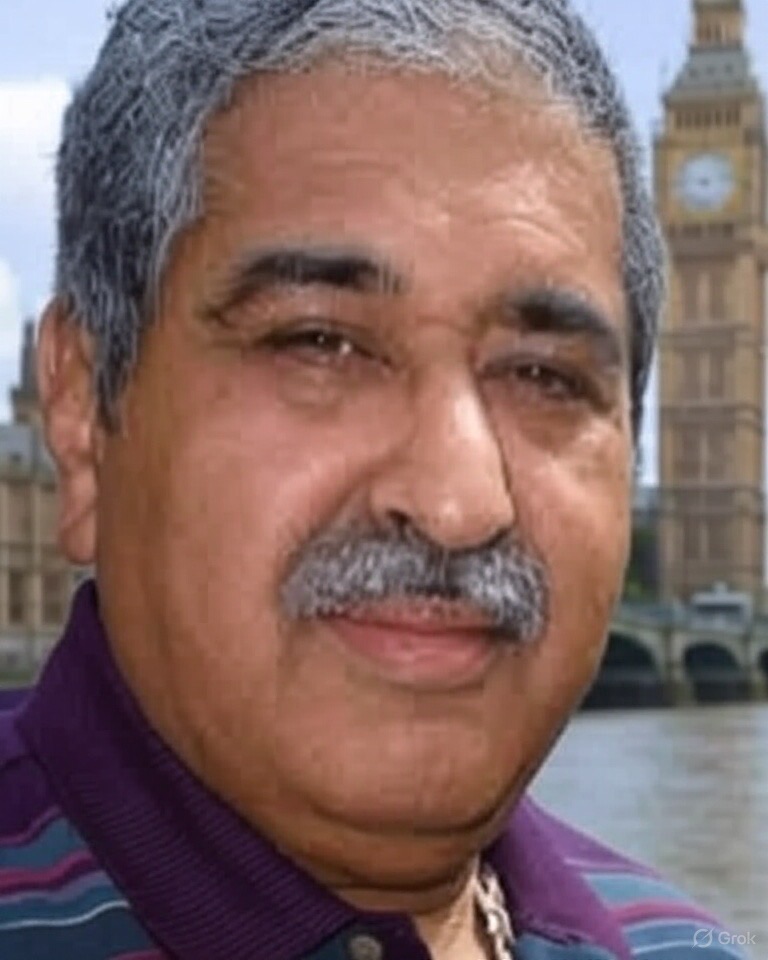
Tragically, Dr. Sabharwal passed away on May 6, 2021, at the age of 63 due to COVID-19. He was undergoing treatment at Max Hospital in Dehradun for ten days prior to his death. His passing was widely mourned, and he was cremated the following morning.
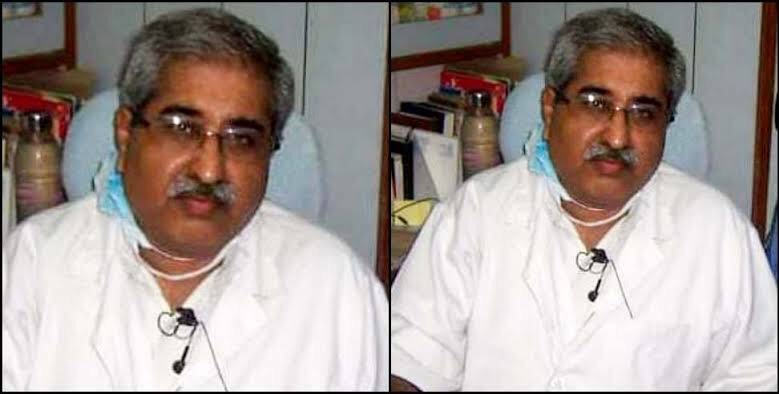
He is survived by his wife Rama,his son Dr Rishi Sabharwal MBBS, who is working in his clinic at Motibazar, and his daughter Gargi who is in Australia and Megha.
DEHRADUN, 7 May 2921: Dr Bharat Sabharwal, famously known as ‘Doctor of the Poor’, passed away on 6 May evening due to COVID-19. He was being treated at Max Hospital for the past ten days. Dr Sabharwal was 63.
The Sabharwal family shifted to Dehradun after partition. Dr Bharat Sabharwal’s grandfather started a small clinic at Moti Bazar after 1947. Later, Dr Bharat started seeing patients at his clinic. Though his fee was minimal, he still had patients who could not pay even that small amount. He always treated such patients and gave them medicines too free of cost. He made a fortune in his life but never shifted his clinic. Later, he also started the Shivalik Institute of Ayurved and Research.
He was an eminent citizen of Dehradun and people from all sections of society have conveyed condolences at his demise. Dr Sabharwal was cremated this morning.
He is survived by wife Rama, daughters Megha and Gargi (both married), and son Rishi.
The Garhwal Post family prays to God to give strength to the family to bear their irreparable loss.


 deemagclinic
