
चमोली में चिकित्सक पर गिरी जर्जर अस्पताल की दीवार, हुई मौत https://roundthewatch.com/2026/07/11/chamoli-doctor-dies-hospital-wall-collapse-rain/
In the rugged, rain-lashed hills of Uttarakhand’s Chamoli district, where healthcare often means long drives on winding roads and clinics that double as community hubs, Dr. Naveen Chandra Dimri stood out as a quiet pillar of service. A 45-year-old government doctor serving as the Medical Officer In-charge of the Primary Health Centre (PHC) in Narayanbagar, he lost his life on Saturday, July 11, 2026, in a heartbreaking workplace tragedy. While inspecting a rain-damaged boundary wall that had weakened since June 25, the structure suddenly collapsed, burying him under the debris. He was pulled out by workers and locals, given first aid, and rushed toward Karnaprayag, but succumbed to his injuries en route. His colleague, Dr. Riya Ghildiyal, was also injured in the incident.
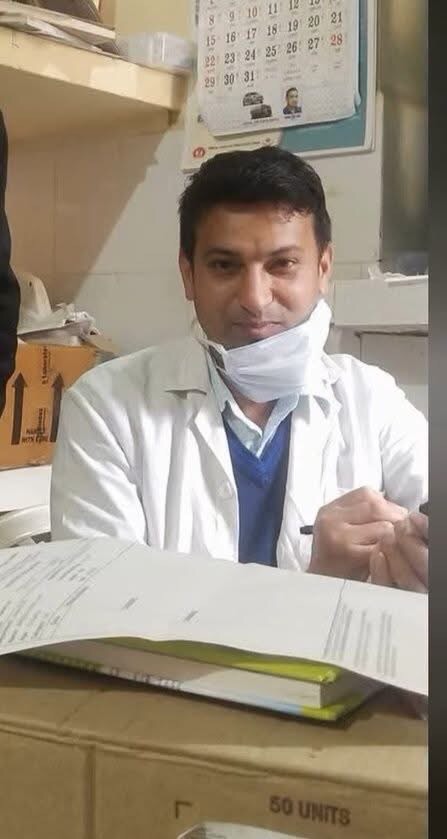
Roots in the Mountains
Born and rooted in the Garhwal region, Dr. Dimri hailed from the Devaldhar area of Gopeshwar. Like many dedicated doctors in Uttarakhand, he chose public service over the brighter lights and better pay of private practice in bigger cities. In the hills, doctors like him aren’t just medical professionals — they’re often the first (and sometimes only) line of defense against everything from seasonal illnesses and accidents to the quiet struggles of remote village life.35
Colleagues and locals remember him as a hands-on administrator who didn’t just sit in his office. He was the kind of doctor who knew his patients by name, asked about their families, and followed up even after they left the clinic.
A Day Like Any Other — Until It Wasn’t
Imagine the scene that fateful afternoon. Heavy rains had battered the region for days. Roads were blocked, landslides were a constant threat, and the old boundary wall at the PHC — already damaged — needed urgent attention.
Dr. Dimri, ever the responsible in-charge, turned to his younger colleague that morning.
“Riya, the wall has been hanging by a thread since those rains in June. We can’t wait for more delays. Let’s go check the repair work ourselves. These things affect the whole community — patients, staff, everyone,” he might have said, with that calm, determined tone people associated with him.
Dr. Ghildiyal nodded. They walked over together around 1:30 pm, discussing plans to get the repairs done quickly so the hospital could function safely.
One moment they were assessing the site, talking about reinforcements and timelines. The next, a sickening rumble — and the weakened wall gave way without warning.
“Doctor sahib!” shouted a worker nearby as dust and stones crashed down. Locals and staff rushed in, digging frantically with bare hands and whatever tools were nearby. They pulled Dr. Dimri out, his body battered. Heart-wrenching cries echoed as they loaded him into a vehicle for the journey to better care. But the hills claimed him that day.35
The Human Behind the White Coat
Dr. Dimri wasn’t chasing fame or accolades. In conversations with friends, he often spoke about the joy of serving in places where a single doctor could make a tangible difference. One can picture him after a long day, sipping chai in the hospital courtyard, sharing stories with staff:
“You know, in the city they have machines for everything. Here, we have heart. A kind word, a proper check-up, and sometimes just listening — that heals more than we think.”
He embodied the spirit of countless unsung doctors in rural India: practical, resilient, and deeply connected to the land and its people. His death highlights not just personal loss but the vulnerabilities in public infrastructure — aging hospital buildings, delayed repairs, and the risks frontline workers face daily in disaster-prone regions like Uttarakhand.
Legacy in the Hills
News of his passing spread quickly through Chamoli and beyond, leaving patients, staff, and the wider medical fraternity in shock. Tributes poured in, remembering a man who showed up, day after day, for the people of Narayanbagar and surrounding villages.
Dr. Naveen Chandra Dimri’s story is a poignant reminder of the quiet heroism in public service. He didn’t die in a far-off war or glamorous mission — he died doing what he always did: looking after the place meant to look after others. In the misty mountains he loved and served, his memory will linger like the echo of a stethoscope in a quiet clinic — steady, caring, and profoundly human.
May his soul rest in peace, and may the systems he worked within become safer for those who follow in his footsteps.


 deemagclinic
