
In the dusty lanes of Pilibhit, Uttar Pradesh, where the Terai fields meet the call to prayer and temple bells, Dr. Nalinesh Shankdhar emerged as a quiet force of healing and conviction. A dedicated chest physician with a DTCD (Diploma in Tuberculosis and Chest Diseases), he spent decades treating respiratory ailments in a region where TB, asthma, and seasonal lung issues were part of everyday life. But beyond his stethoscope, he was a man ahead of his time—deeply rooted in cultural and national consciousness long before such views gained wider traction.20
Student Days in Agra (1979 Batch)
Back in 1979, SN Medical College, Agra, buzzed with the energy of young doctors-to-be. Among them were Dr. PK Gupta (the user) and his classmate Nalinesh Shankdhar. Picture this: humid Agra evenings, hostel rooms filled with the smell of textbooks and chai, and late-night debates that stretched into the early hours.
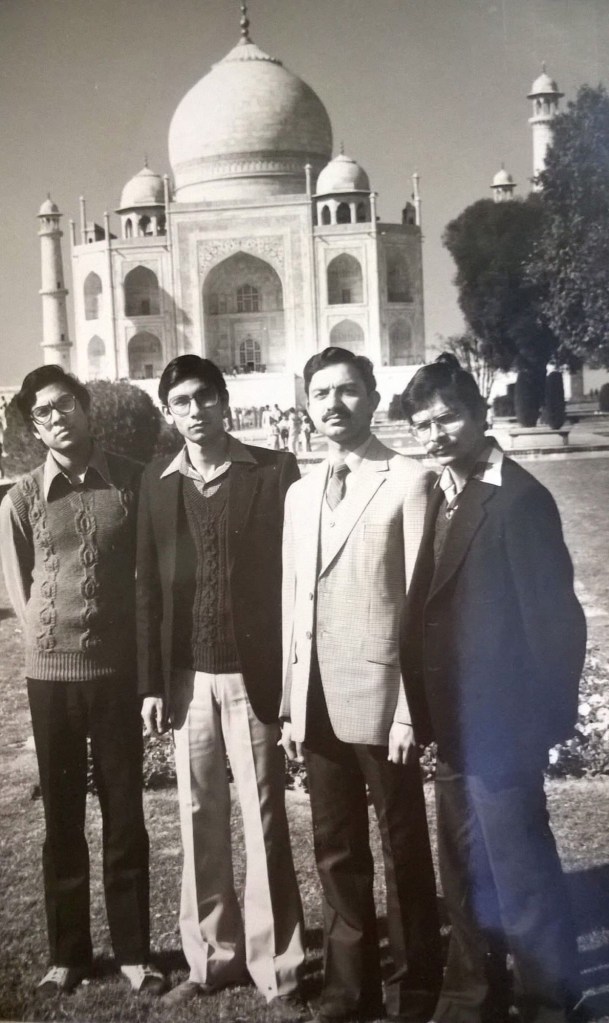
One evening, as the group huddled over notes on pulmonary pathology, Nalinesh leaned back with a thoughtful smile and said, “Dosto, yeh TB aur chest ke cases sirf bimari nahi hain. Yeh hamare gaon ki haqiqat hain. Hum doctor ban rahe hain, lekin desh ki asli sehat uski Sanskriti aur ekta se bhi judi hai.” (Friends, these TB and chest cases are not just diseases. They are the reality of our villages. We’re becoming doctors, but the real health of the nation is also tied to its culture and unity.)
His classmates might have chuckled then, calling him the “philosopher doctor.” In an era when medical students focused on exams, careers, and perhaps migrating abroad, Nalinesh spoke passionately about India’s civilizational roots. He was what many would later call a Hindutwadi—someone with strong cultural nationalist leanings—at a time in the early 1980s when such ideas were fringe or misunderstood even in educated circles. He wasn’t loud about politics; his conviction showed in quiet discussions, book recommendations on Indian history, and an unshakeable pride in serving his own soil rather than chasing big-city lights.
Dr. Nalinesh Shankdhar: The Tall, Witty Camel of Pilibhit
In the bustling corridors of SN Medical College, Agra, in 1979, one figure stood out—literally. Dr. Nalinesh Shankdhar was tall and lanky, with a thin, bony frame, long legs, and a slightly shriveled look that earned him affectionate ribbing. His friends jokingly called him “Oont” (the camel) for those long strides that covered the campus in no time. Yet behind that unassuming, camel-like silhouette was a sharp mind, a warm heart, and a ready wit that made him unforgettable.
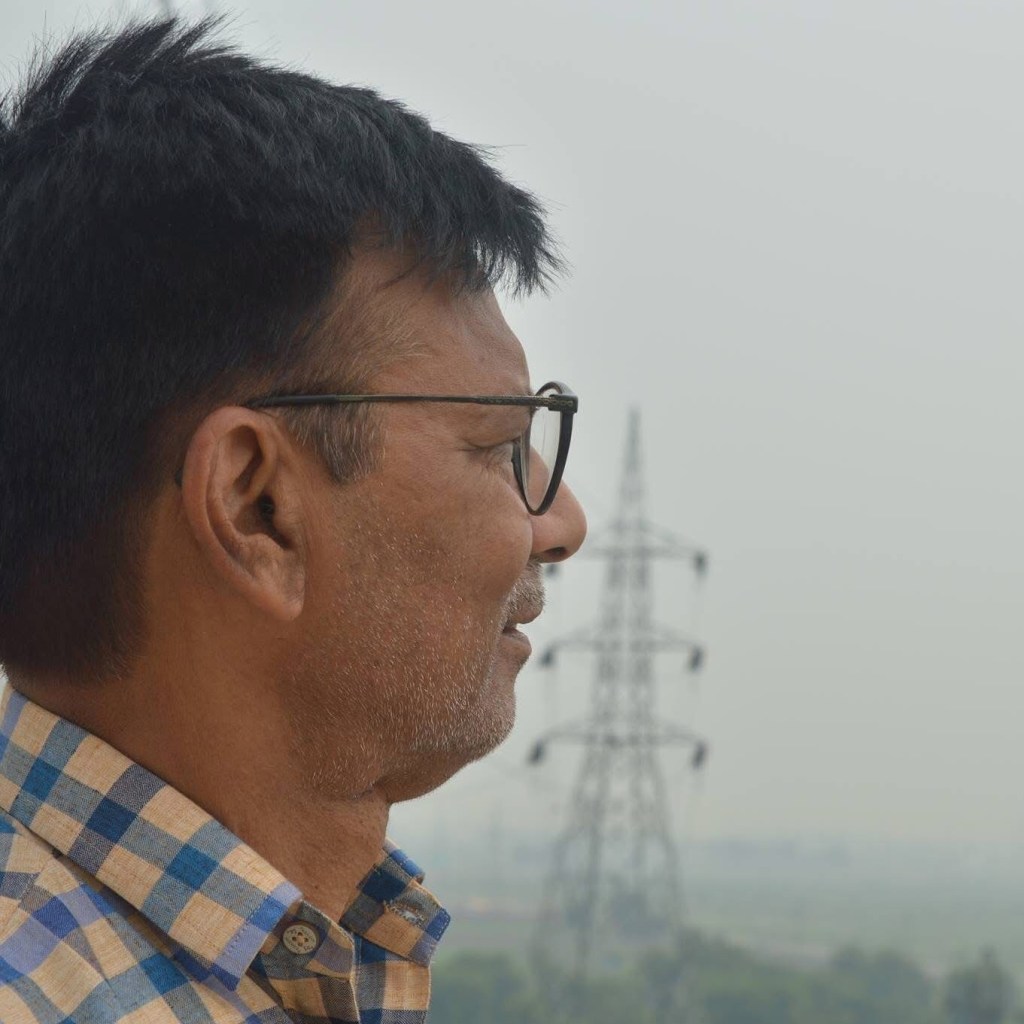
College Days: Banter, Dreams, and Brotherhood
Nalinesh and his classmate (and dear friend) Atulya Kumar Gupta (Dr. PK Gupta) shared a classic medical-student bond filled with friendly teasing. While many dreamed of post-graduation specialization, Nalinesh was clear from early on: he wanted to serve directly in his roots.
One lazy afternoon in the hostel, as the group discussed futures over endless cups of chai, Nalinesh stretched his long legs, grinned, and pointed at Atulya:
“Arre chikney (Atulya), tu MD kar lena, research kar lena. Main MBBS ke turant baad practice shuru kar dunga Pilibhit mein. Jab tu thaka-hara MD ki books mein dooba rahega, main apni nayi Maruti car se utarunga clinic ke saamne… aur tu dekh kar jalega!” (Hey Atulya, you do your MD and research. I’ll start practice right after MBBS in Pilibhit. While you’ll be buried in books, I’ll step out of my new Maruti car in front of the clinic… and you’ll be jealous!)
The group would burst into laughter. It was all in jest, of course—typical banter between friends who knew each other’s ambitions well. Nalinesh’s light-hearted confidence hid a deeper resolve: he wanted to return home quickly and make a difference where it mattered most.
Dr. Nalinesh Shankdhar: The Thin Boy with the Bottomless Appetite and a Mind Full of Questions
In the bustling corridors of GB Pant Hostel during the 1980s, where yellow bulb light flickered over piles of medical books and dreams of clearing CPMT, a lanky young man named Nalinesh Shankdhar stood out—not for his bulk, but for the way his shirt hung loosely on his frame like it was draped over a hanger. “Yaar, Nalinesh, ek din hawa mein ud jaayega tu,” his friends would tease. He’d just grin, that quiet, thoughtful smile of his, and shrug it off. Little did they know, this thin boy carried an enormous spirit—and an even bigger appetite.10
Nalinesh shared the hostel life with his younger brother Gaurish. The Shankdhar brothers, along with their youngest sibling Jankeesh (who followed in the next junior batch), formed a remarkable trio. Clearing the competitive CPMT exam as three brothers was no small feat in those days—it spoke of discipline, shared late-night studies, and a family that valued education fiercely. While many hostelers battled homesickness and tough academics, the Shankdhars pushed through together.
Hostel Days and Sunday Feasts
What friends remember most vividly is Nalinesh’s legendary appetite. Sundays meant special lunch in the hostel mess, and kachauris were the star attraction. Nalinesh would devour them in unspecified (and impressive) numbers. One friend recalled watching in awe as plate after plate disappeared. “Nalinesh, tu itna patla kaise rehta hai? Hum toh bas dekh kar hi mota ho jaate hain!” someone would joke. He’d laugh, wipe his hands, and reply with a twinkle, “Bhai, padhai ke stress ko kha ke hi toh nikaalta hoon. Tum bhi try karo!”
The hostel wasn’t just about food and studies. There was “Chikney”—the smooth, hairless wonder—who had the ultimate luxury: a black-and-white TV in his room. In the 1980s, that was pure gold. Even better, Chikney had installed a fluorescent tube light, flooding his space with bright white light. Meanwhile, the rest of the students squinted under the dim, yellowish glow of ordinary bulbs, eyes straining over anatomy diagrams. “Uske room mein toh operation theatre jaisa light hai!” the others would say enviously.
Whenever Atulya Kumar Gupta permitted, a small group—including PK Gupta and Nalinesh—would congregate in his room. Those gatherings were magic. Away from the yellow bulbs and exam pressure, they discussed life beyond college: dreams of medical practice, future patients, challenges, and successes. Nalinesh listened intently, chiming in with thoughtful points. His friends were often surprised by the depth of his knowledge on unexpected topics, especially Hindu-Muslim unity and enmity. In an era of simmering tensions, he spoke with nuance and balance, drawing from history, personal reflection, and a desire for harmony. “How does he know so much about this?” one friend wondered. Nalinesh would lean forward and say something like, “Bhai, hum doctor banne ja rahe hain. Logon ke dil aur dimaag ka ilaaj karna hai toh pehle samajhna toh padega na? Ekta aur vibhajan—dono ki history padho, tabhi sahi ilaaj kar paoge.” His words left a lasting impression.
Dr. Nalaneesh Shankdhar was a physician of Agra whose face and habits invited the same quiet comparison that street vendors make when a particularly bony camel ambles past the red sandstone walls: “That one could carry half the bazaar and still look offended.”
He was a thin man, deliberately so. The famous redstone of Agra soaked up the summer sun and then threw it back in waves; Nalaneesh kept a respectful distance from any wall that had been baking all day. “Stone has no manners,” he once told a patient who suggested they sit in the shade of a fort rampart. “It takes the heat, stores it, and then returns it with interest. I prefer to keep my distance. Camels do the same with the desert, you know.”
His mouth completed the resemblance. A dense, uneven fringe of bristles grew along the upper lip, and when he grinned—which he did often, and usually at his own expense—the front teeth appeared in irregular ranks, some leaning left, some right, none quite agreeing on height. The effect was startlingly camel-like. Children noticed first. One small boy in the clinic waiting room stared openly and then whispered to his mother, “Doctor sahib has a camel’s smile.”
Nalaneesh overheard, leaned down, and answered in a low, gravelly voice:
“Very observant. The difference is, a camel spits when annoyed. I merely prescribe bitter medicine.”
The boy’s eyes widened. The mother tried not to laugh. Nalaneesh’s own grin spread wider, revealing the full irregular set, and the waiting room briefly forgot its ailments.
His appetite followed the same logic. Like a camel filling its hump, he could consume an astonishing quantity at a single sitting—two full thalis, a stack of parathas, a mound of rice, and still room for dessert—then go for long stretches on little more than tea and the occasional biscuit. Colleagues at the hospital noticed.
“Doctor, you ate enough for three men at lunch,” a junior resident once remarked.
“I am preparing for famine,” Nalaneesh replied solemnly. “One never knows when the next proper meal will appear. Camels understand this. Humans forget.”
He claimed the habit began in medical college, when examination weeks left no time for regular meals. “I trained my stomach the way a camel trains its reserves,” he said. “Store when possible. Survive when necessary.” Whether this was physiology or pure theatre remained unclear, but no one ever saw him faint from hunger.
Patients adored him precisely because he never pretended to be ordinary. He diagnosed with dry humour, prescribed with unexpected gentleness, and occasionally demonstrated the proper way to chew thoughtfully, as if conserving every calorie. On particularly hot afternoons he would refuse the cooler corners of the hospital courtyard, muttering that proximity to heated stone was “an invitation to unnecessary suffering.”
When he retired, the staff presented him with a small brass camel figurine. He examined it, ran a finger along its sculpted upper lip, and said,
“Almost accurate. But mine are better spaced for grinning.”
Then he smiled—that same irregular, bristled, unforgettable smile—and for a moment the room felt cooler, as though even the redstone of Agra had decided to keep a respectful distance.
From Hostel Hanger to Practicing Doctor
Those lean hostel days forged Dr. Nalinesh Shankdhar. The thin boy who once looked like his clothes might fly away with him transformed into a dedicated medical professional. The enormous appetite translated into an equally large capacity for hard work and compassion. The late-night discussions in Atulya’s room became the foundation for his thoughtful approach to medicine—treating not just bodies, but understanding the social fabric of his patients’ lives.
His journey with brothers Gaurish and Jankeesh remains an inspiring chapter in family lore. Three siblings navigating the tough world of medical entrance exams and hostel life—sharing meals, lights, laughter, and ambitions—showed what determination and brotherhood can achieve.
Today, when old hostel mates meet, stories of Nalinesh inevitably surface: the dangling shirt, the kachauri feasts, the bright white light of Chikney’s room, and those deep conversations that went far beyond textbooks. Dr. Nalinesh Shankdhar isn’t just a successful doctor; he’s a reminder of how ordinary hostel days, filled with hunger (for food and knowledge), friendships, and quiet wisdom, shape extraordinary lives.
In the end, the thin boy didn’t fly away with the wind—he stood firm, healing others with the same quiet strength he showed back in GB Pant Hostel.
Those college years were also a family affair for him. Two of his brothers were also studying medicine around the same time, making the Shankdhar name prominent in Agra’s medical circles. The brothers supported each other through the grind of dissections, night duties, and exams. Tragically, one brother, Girish, later passed away from lung cancer—an ironic and painful blow for a family dedicated to medicine, and especially poignant for Nalinesh, who would specialize in chest diseases.
The Dedicated Chest Physician of Pilibhit
After earning his MBBS and DTCD (Diploma in Tuberculosis and Chest Diseases), Dr. Nalinesh Shankdhar did exactly what he had joked about—he returned to Pilibhit and built his practice. In an era when many doctors gravitated toward metros, he chose the smaller town and its surrounding villages. Patients with chronic coughs, tuberculosis, asthma, and breathing difficulties found in him not just a doctor, but a familiar, reassuring figure.
With his tall, lanky frame, he would lean over patients, listening carefully with his stethoscope. He combined clinical skill with practical wisdom: advising on dust-free homes, quitting tobacco, and lifestyle changes suited to rural life. His early cultural convictions—being outspoken about Hindutva and Indian civilizational pride in the 1980s when few in professional circles discussed it openly—added depth to his persona. He believed in holistic well-being: healthy body, rooted identity, and service to the community.
The Maruti car eventually did come (or its equivalent), and one can imagine him pulling up to his clinic with the same playful smile, perhaps remembering those old hostel jokes with Atulya.
A Life Well-Lived
Dr. Nalinesh Shankdhar was more than a physician. He was a friend who could make you laugh with camel-like strides and witty predictions, a brother who shared the medical journey with his siblings, and a doctor who stayed true to his calling in Pilibhit. His jest about the Maruti car wasn’t just banter—it reflected his clear-eyed choice to serve locally and live on his own terms.
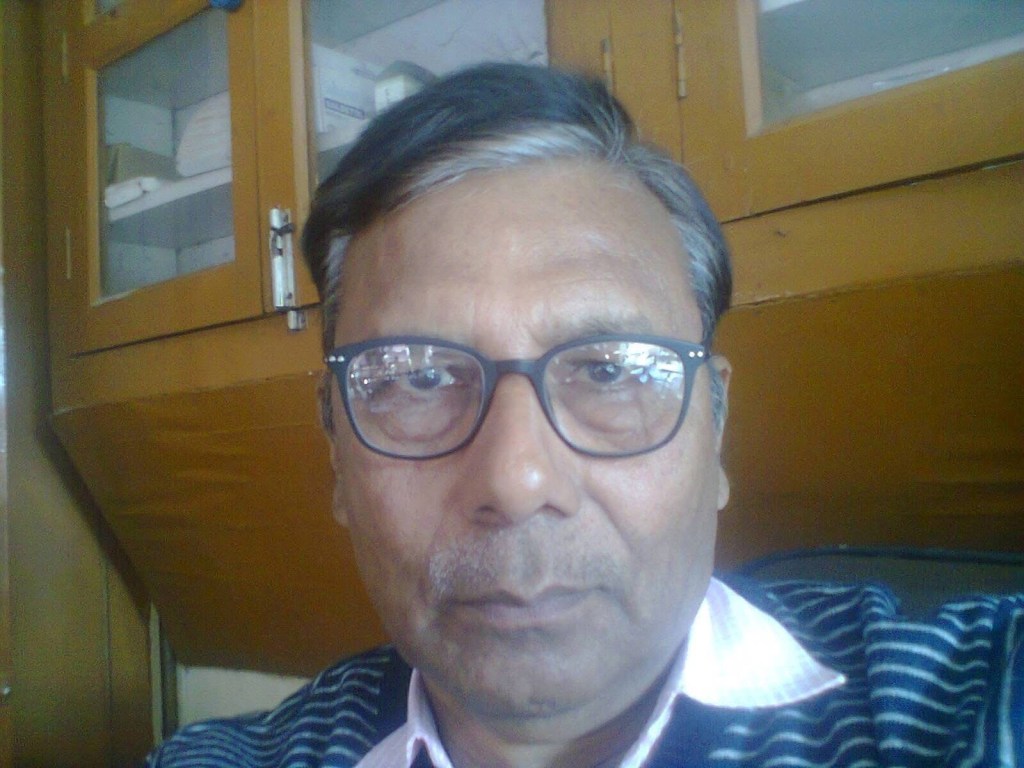
The loss of his brother Girish to lung cancer must have been a profound reminder of the diseases he fought daily. Yet it likely deepened his commitment to chest medicine and patient education.
To his old friend Dr. PK Gupta and everyone whose lungs (and spirits) he helped heal, Dr. Shankdhar remains a tall figure in every sense—lanky in build, towering in dedication, and unforgettable in friendship. His story is a beautiful slice of real Indian medical life: full of dreams, laughter, service, and quiet conviction.
Returning to Roots: Practice in Pilibhit
After completing his DTCD, Dr. Shankdhar chose Pilibhit—his home turf—over more glamorous opportunities. He set up his practice, focusing on chest and respiratory medicine. In those days, rural Uttar Pradesh had limited specialist care. Patients traveled from surrounding villages with chronic coughs, breathlessness, and tuberculosis. Dr. Shankdhar became their go-to healer.
Imagine a typical day: Early mornings at his clinic, the line of farmers and laborers waiting patiently. He didn’t just prescribe medicines; he educated them.
“Bhaiya, yeh cigarette chhod do, warna saans ka pump band ho jayega,” he’d tell a chain-smoking patient with a mix of sternness and warmth. To a worried mother whose child had wheezing attacks: “Didi, dawa ke saath ghar ko saaf rakhna, dhool aur dhuan se bachao. Yeh sirf ilaaj nahi, zindagi ka tarz hai.” (Sister, keep the house clean along with the medicine, protect from dust and smoke. This is not just treatment, it’s a way of life.)
His approach was holistic—medical expertise blended with empathy and practical advice suited to local realities. He managed complicated cases with limited resources, often following up personally. Over the years, countless families in Pilibhit owed their healthier lungs (and lives) to him. He stayed grounded, never losing the small-town doctor’s touch even as medicine modernized.20
A Man of Conviction
What set Dr. Shankdhar apart was his intellectual courage. In the 1980s, when “Hindutva” or cultural nationalism was often dismissed or poorly understood in professional circles, he held firm. Friends recall him arguing gently but firmly during reunions: “Hum log science padh rahe hain, lekin apni heritage bhool rahe hain. Desh ko apni jadon se judna hoga.” (We are studying science but forgetting our heritage. The nation must connect with its roots.)
He lived his beliefs—serving his community with dedication, promoting self-reliance, and instilling pride in Indian knowledge systems alongside modern medicine. He was never one for the spotlight; his impact was felt in healed patients, inspired students (if he taught informally), and the respect he earned from peers like Dr. PK Gupta.
Legacy
Dr. Nalinesh Shankdhar represents the best of India’s unsung medical professionals: competent, compassionate, and culturally anchored. In an age of specialization and urbanization, he chose service in a smaller place with bigger heart. His early embrace of ideas many now discuss openly marks him as a forward-thinker in his own way.
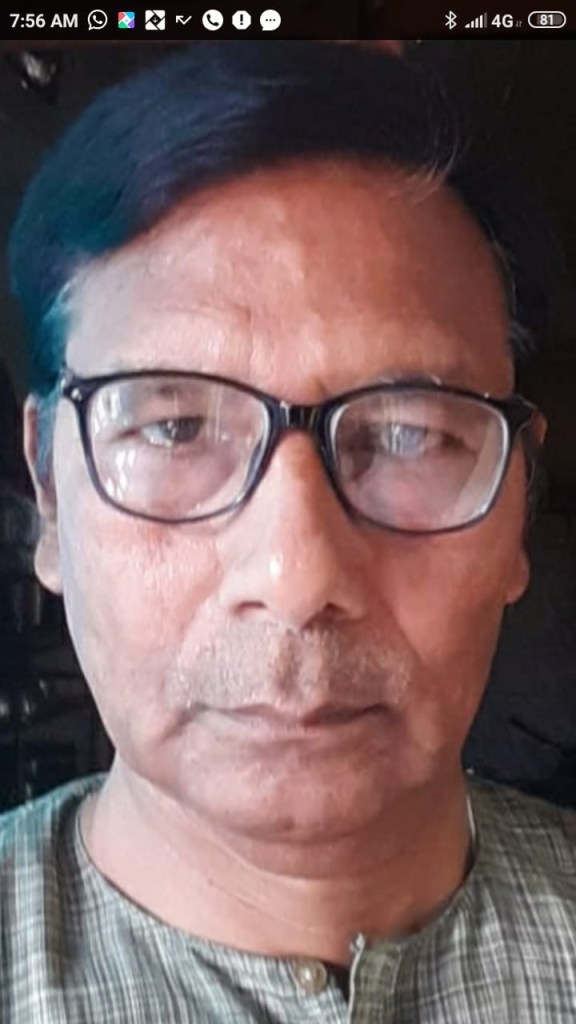
To his old classmate Dr. PK Gupta and generations of patients in Pilibhit, he remains “Doctor Sahab”—the man who listened to lungs and to the pulse of his culture with equal care. His story reminds us that true doctors don’t just treat bodies; they strengthen the spirit of the communities they serve.


 deemagclinic
